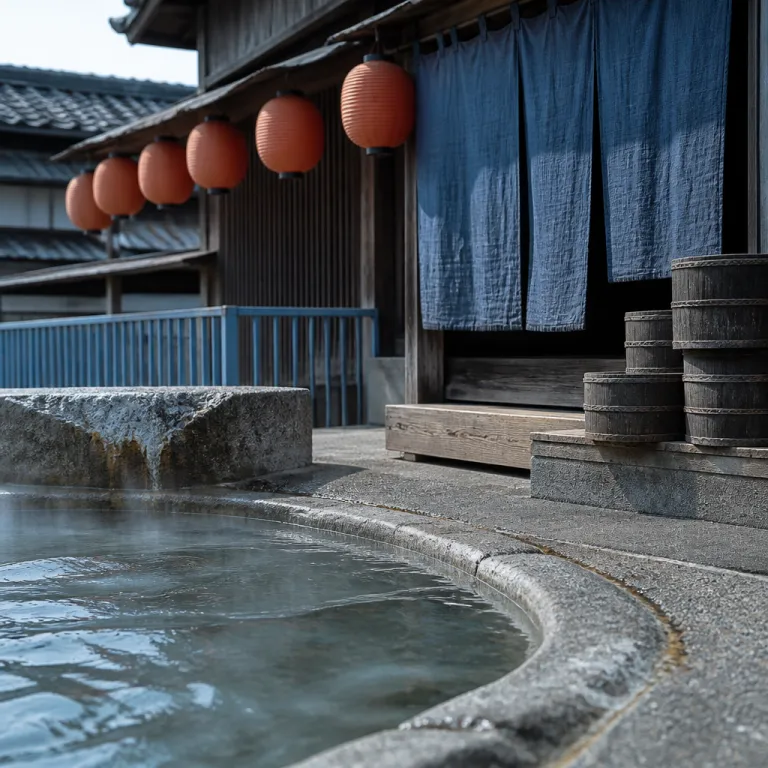
Summer festival onsen town Japan ryokan: heat, fireworks, and the night bath
Between July and August, onsen towns across Japan shift from quiet steam to festival glow. In this peak Japan summer period, the air above each hot spring valley fills with lantern light, taiko rhythms, and the low murmur of families walking back toward their ryokan in cotton yukata. A well chosen summer festival stay in an onsen town turns those nights into a sequence of precise experiences, from riverside fireworks to the last open air soak before sleep.
Local residents act as organizers and spend months planning parades, fireworks, and traditional dances that honour the hot springs and local deities. Their Natsu Matsuri events are not staged for cameras only; they are designed to preserve cultural heritage, boost the local economy, and keep onsen culture relevant for younger generations. Tourists become participants rather than spectators, moving between food stalls, shrine processions, and the hotel baths that frame each evening.
Understanding why hot water works in hot weather helps you plan your nights. A long soak in a hot spring raises your core temperature, then triggers a cool down effect as sweat evaporates into the mountain air or the softer city air in more urban onsen districts. Time your final bath for at least 20 to 30 min before bed, and the post bath drop in body temperature will ease you into deep sleep even when Japan summer humidity feels relentless outside.
The best ryokans in summer Japan lean into this rhythm rather than fighting it. Many inns adjust dinner times during July August festivals, allowing families to eat earlier, step out for fireworks, then return for a quieter late night snack and one last onsen. When you onsen book through a specialist platform, look for properties that clearly explain their Natsu Matsuri schedule on the official website and offer flexible meal slots for children.
In classic hot spring towns such as Kinosaki Onsen, Kusatsu Onsen, and Gero Onsen, the festival route often passes directly in front of long established ryokan Japan properties. A room with a balcony or engawa facing the main street lets you watch portable shrines and festival floats from your futon, then slip down to the baths once the crowds thin. For families, this balance between immersion and retreat is what separates the best ryokans from a standard city hotel during the height of summer.
From hakone to kinosaki onsen: where matsuri nights meet the bath
Hakone is the obvious summer festival onsen town Japan ryokan choice for many first time visitors, thanks to easy rail access from Tokyo and the dramatic backdrop of Mount Fuji on clear days. The classic Tokyo Hakone route by train takes around 90 min from Shinjuku Station to Odawara, then you transfer to the Hakone Tozan line toward Hakone Yumoto Station, where the air already feels cooler. From Hakone Yumoto, smaller trains and buses fan out toward ryokans with open air baths that overlook forested slopes and, on lucky evenings, fireworks reflected in the river.
Families who want a softer, walkable town often look to Kinosaki Onsen, where seven public hot springs are linked by lantern lit streets. During Natsu Matsuri, yukata clad guests wander between bathhouses, food stalls, and riverside stages, then return to their ryokan Japan base for a final private soak. Here the summer festival onsen town Japan ryokan experience is about repetition: short walks, short baths, short bursts of taiko, all stitched together across two or three nights.
Gero Onsen and Kusatsu Onsen offer a different kind of heat, with intensely mineral rich spring water that feels almost velvety on the skin. In Kusatsu Onsen, the famous yubatake hot spring field becomes the visual centre of summer, its steaming pools framed by performances and occasional modern digital art projections that show how these towns integrate contemporary culture without losing their core. Local tourism boards and cultural organizations collaborate with international artists to keep younger visitors engaged, while the ryokans quietly maintain the rituals of kaiseki dinners and futon turned down while you bathe.
Wherever you go, the most rewarding stays come from ryokans that understand omotenashi at room level. The difference is the nakai san who adjusts your meal time around the fireworks schedule, or who prepares child friendly kaiseki portions so parents can still enjoy a multi course dinner before slipping out to the festival. As one long running Hakone innkeeper explains, “our job in summer is to match the rhythm of the drums outside with the pace of the baths inside, so guests never feel rushed.” For a deeper sense of what genuine omotenashi looks like in practice, read this analysis of how a nakai san remembers your name and preferences and then apply that lens when you choose your summer ryokan.
Onsen towns benefit directly from these summer festivals because they attract tourists, boosting the local economy and preserving cultural traditions. Annual visitor numbers in places such as Beppu Onsen Matsuri reach hundreds of thousands of people, and similar patterns hold in Hakone, Kinosaki Onsen, and Kusatsu Onsen when fireworks and parades are on the calendar. When you onsen book during this period, you are not only securing a room; you are also supporting local businesses, from small family run ryokans to the food stalls that line the streets each night.
The summer bathing paradox: hot springs, hot air, and cool sleep
For many travellers, the idea of stepping into a hot spring when the outside air already feels heavy seems counterintuitive. Yet in Japan, the habit of bathing in hot springs during the height of summer is centuries old, and onsen towns have refined the art of using heat to create coolness. The key is understanding how your body responds to hot water, humid air, and the slow cool down that follows a long soak.
When you immerse yourself in hot springs at around 40 to 42 °C, your blood vessels dilate and your heart rate rises slightly, which can feel intense in the first few min. After you step out into the night, the combination of evaporation and slightly cooler mountain air or sea air pulls heat away from your skin, creating a gentle chill that lingers as you walk back to your ryokan. This is why many Japanese families time their longest bath for late evening during July August, using the onsen as a natural sleep aid rather than a midday activity.
In mountain towns near a national park, such as parts of Hakone or the Oku Nikko region, the contrast between hot spring water and crisp mountain air is especially marked. Open air rotenburo baths frame dark silhouettes of cedar forests, and the sound of distant festival drums drifts up from the city or village below. In more urban onsen districts closer to Tokyo, the air stays warmer, but the cool down effect still works if you avoid rushing and give your body at least 20 min to adjust before bed.
Families should think in layers rather than extremes. Start with a shorter bath for children, perhaps 5 to 10 min in a slightly cooler pool, then move to a deeper soak for adults once the youngest travellers are asleep in the tatami room. For more guidance on how seasonal weather shapes the onsen experience, including why the rainy tsuyu weeks can be ideal for quieter stays, see this piece on why rainy season ryokan stays often deliver the best off peak value and apply the same logic to planning your summer Japan itinerary.
Whether you are in Hakone Yumoto, Kinosaki Onsen, Gero Onsen, or Kusatsu Onsen, the pattern is similar. A late afternoon check in by rail or rental car, a first quick bath to wash off the city, a kaiseki dinner that showcases regional produce, then a longer night bath after the Natsu Matsuri fireworks fade. The rhythm of a summer festival stay in an onsen town is not about packing in activities; it is about letting the baths, the festival, and the cool night air reset your internal clock.
Family friendly planning: trains, timing, and the quiet morning after
For families, the logistics of reaching an onsen town in summer Japan matter as much as the baths themselves. Rail connections from Tokyo to major hot spring areas are straightforward, with frequent trains linking the city to Hakone, Atami, and beyond, while limited express services reach Kinosaki Onsen and Gero Onsen from Osaka or Nagoya. When you plan your route, aim to arrive by mid afternoon so children have time to settle into the ryokan before the evening festival begins.
Look for ryokans that offer private family baths, known as kashikiri onsen, which can be reserved by the hour. These spaces often include shallower pools, benches, and sometimes small open air sections where children can feel the mountain air while parents soak in deeper hot spring water. Many of the best ryokans list these facilities clearly on their official website, and a good booking platform will highlight them as part of a curated family friendly selection.
Meal timing is the other critical lever. During Natsu Matsuri, ask the ryokan in advance whether they can serve an early kaiseki for children, perhaps 30 min before the main seating, so younger guests can rest between the meal and the fireworks. Some properties will also prepare simple rice or noodle dishes for a late night snack after the festival, which can be a quiet reward before one last dip in the onsen.
The real luxury of a summer festival onsen town Japan ryokan stay often reveals itself the next morning. Day trippers head back toward the station by train or bus, the streets fall silent, and the steam from the hot springs hangs in the cool early air above the river. A slow breakfast in the tatami room, with the valley emptied of crowds and only the sound of water and distant rail announcements, is the hidden reward that justifies staying two or three nights rather than rushing back to Tokyo.
If you are using a specialist platform to onsen book, seek out editorial content rather than pure listings. Articles such as this guide to why ryokan stays function as a digital detox can help you choose properties that prioritise calm over spectacle, which matters when travelling with children. In the end, the most memorable Japan three generation family trips are often the simplest; a good train connection, a ryokan Japan property with thoughtful staff, and a Natsu Matsuri that ends not with a rush back to the city, but with a quiet night bath under a sky still echoing with fireworks.
FAQ: summer festivals and onsen town stays
What is Natsu Matsuri in an onsen town context ?
Natsu Matsuri is a traditional Japanese summer festival that typically includes parades, dances, and fireworks centred around local shrines and community spaces. In onsen towns, these events are woven into the daily rhythm of bathing, dining, and evening walks in yukata between hot springs. The combination of festival energy and the calming effect of the baths is what makes a summer festival onsen town Japan ryokan stay feel distinct from a standard city break.
How do onsen towns benefit from summer festivals ?
Onsen towns use Natsu Matsuri to attract visitors during the hottest months, when some travellers might otherwise avoid hot spring regions. The influx of tourists supports local businesses, from small ryokans and family run restaurants to festival food stalls and craft vendors. This seasonal boost helps fund the preservation of traditional dances, music, and shrine rituals that define each town’s identity.
When should I book a ryokan for July and August festivals ?
For popular destinations such as Hakone, Kinosaki Onsen, Gero Onsen, and Kusatsu Onsen, you should aim to onsen book several months in advance for peak July August weekends. Rooms with views of fireworks or proximity to main festival routes sell out first, especially in family friendly ryokans with private baths. Checking each property’s official website for exact festival dates and then aligning your rail tickets and ryokan nights around those events is the most reliable strategy.
Is it safe for children to use hot springs in summer ?
Children can safely enjoy hot springs in summer if you manage time and temperature carefully. Choose pools with slightly cooler spring water, limit each soak to a few min, and ensure plenty of hydration and rest between baths. Many ryokans provide family baths or shallower pools specifically designed for younger guests, which makes it easier to balance enjoyment and safety during a summer festival stay.
What should I wear and bring to a Natsu Matsuri in an onsen town ?
Most ryokans provide yukata and geta sandals, which are appropriate for walking between the property, the hot springs, and the festival area. You may want to carry a small towel, a handheld fan, and some cash for food stalls, as many vendors do not accept cards. Comfortable layers are useful because the air can feel hot during the early evening, then cool quickly after a long bath in an open air rotenburo.