Understanding whether sake is gluten free during a ryokan stay
Many guests arriving at a traditional Japanese inn quietly ask themselves whether sake is gluten free. For people with celiac disease or a strong gluten sensitivity, that question shapes every part of the culinary journey, from welcome drink to kaiseki dinner. When you plan a premium stay in Japan, understanding how sake gluten risks vary between styles helps you feel genuinely safe at the table.
Classic sake is brewed from steamed rice, water, rice koji and yeast, so the core ingredients are naturally gluten free. The brewing process relies on koji mold to convert starches in the rice into sugars, then yeast turns those sugars into alcohol during a carefully controlled fermentation. When these elements remain pure, the resulting junmai sake is generally considered safe for celiac guests because no wheat, barley, rye or other gluten grains enter the tank.
Not every bottle on a sake set is created equal, and this is where luxury travelers must pay attention. Some non premium labels use added distilled alcohol or flavor enhancers that may be derived from wheat, barley or other grains, and Japanese labels do not always specify the source. Health organizations such as the Celiac Disease Foundation, Coeliac UK and the NHS explain that distillation removes gluten proteins to below current testing limits, yet they still advise sensitive individuals to check how and where a spirit is produced, and to be cautious with flavored products or unclear labeling that might introduce cross contact risks.
How premium sake protects celiac guests in luxury Japanese inns
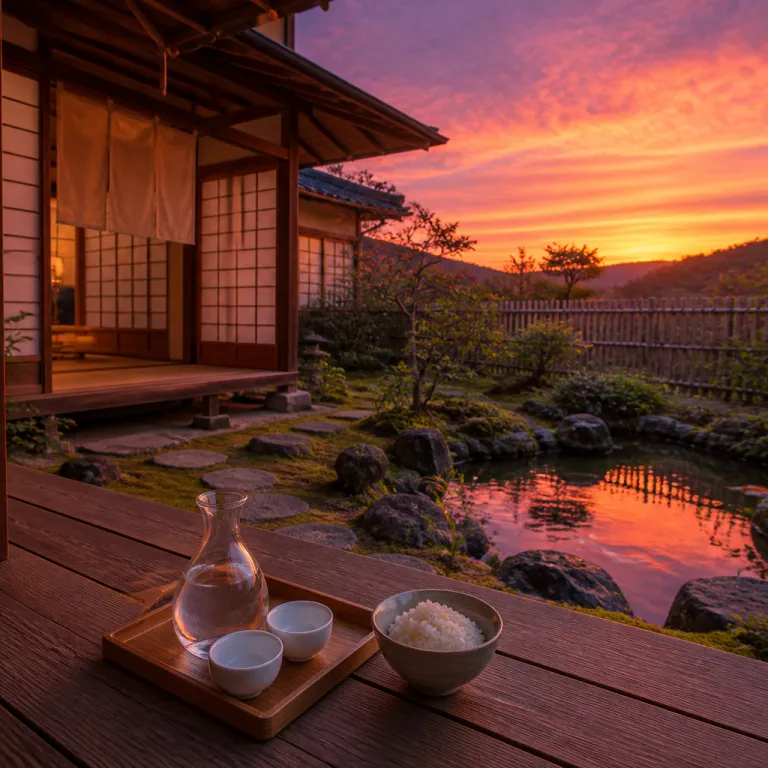
In high end ryokan, the welcome tray often features a small sake set beside seasonal sweets. For people with celiac disease, the reassuring detail is that most luxury properties deliberately pour premium sake grades such as junmai or junmai ginjo, which rely solely on rice, rice koji, water and yeast. This focus on pure ingredients means the drink remains naturally gluten free when served alongside carefully curated regional foods.
Premium sake producers avoid adding neutral distilled alcohol made from wheat or barley, which can complicate life for celiac travelers who already navigate complex menus. Instead, they highlight the character of polished steamed rice and the subtle aromatics created by koji mold during slow brewing. Well known junmai brands such as Dassai, Tedorigawa or Tengumai illustrate this approach, emphasizing rice origin and polishing ratio rather than added spirits.
What matters for your stay is that the inn’s sake set, wine list and beer alternatives are clearly explained in English and that staff can confirm which options are suitable for celiac disease. When in doubt, ask whether the house pour is a premium sake made only from rice and rice koji, or whether any distilled spirits or flavorings based on wheat have been used. A short conversation at check in often prevents uncertainty later in the evening.
Comparing sake, beer and wine for gluten sensitive travelers
Guests often compare their welcome drink options and wonder whether wine, beer or sake is the safest choice for a gluten free stay. Standard Japanese beer is brewed from barley or wheat, so it is never suitable for celiac travelers unless a specific alternative is clearly labeled gluten free. Wine, by contrast, is made from grapes and is usually naturally gluten free, although cross contact can still occur in some flavored products or barrel treatments.
Traditional sake sits somewhere between wine and beer in the way people experience it, yet its brewing method is closer to beer because it uses rice starch converted by koji mold. When the recipe stays faithful to steamed rice, rice koji, water and yeast, the resulting alcohol behaves like other naturally gluten free drinks and is generally safe for celiac disease. Problems arise when non premium producers add distilled alcohol or flavorings derived from wheat or other grains, which can introduce hidden gluten into what many assume is always a safe sake option.
During multi course kaiseki dinners, some ryokan now offer pairing flights that compare premium sake with regional wine and even gluten free beer made from alternative grains. Properties that focus on regional cuisine, such as those highlighted in guides to regional ryokan kitchens serving rare local foods, tend to be especially attentive to gluten free needs. When booking, ask whether the inn can curate a sake conscious pairing, substituting wine or distilled spirits confirmed as gluten free whenever a particular label cannot be guaranteed safe.
Reading labels and sake menus in Japan when you avoid gluten
Navigating labels in Japan can feel daunting when you do not read Japanese, yet a few key terms make the question "is sake gluten free" easier to answer. On the bottle or menu, look first for the word junmai (純米), which signals that the alcohol comes only from fermented rice and not from added distilled alcohol. Many premium sake labels also highlight the polishing ratio of the steamed rice and the use of rice koji, both positive signs for people with celiac disease.
Another common term is honjozo (本醸造), a style that includes a small amount of brewers alcohol (醸造アルコール). In Japan this added alcohol is often distilled from sugar cane or rice, but it can also be made from wheat or other grains, and the source is not always listed. Organizations such as the Celiac Disease Foundation, Coeliac UK and the NHS explain that distilled spirits are generally considered gluten free because gluten proteins do not pass through distillation, yet they also recommend that highly sensitive individuals consult producers directly if the base ingredient is unclear or if flavorings are added after distillation.
Luxury inns accustomed to international guests often translate their sake list into English and annotate which options are naturally gluten free. Some even train staff to explain the brewing process, from the washing of the rice to the careful management of koji mold, so guests understand why a particular junmai sake is considered safe. When booking through a premium platform, mention your celiac disease in advance and ask that only clearly safe drinks appear on your in room sake set or at dinner.
Designing a gluten conscious omakase at a traditional Japanese inn
For many travelers, the highlight of a ryokan stay is an omakase style kaiseki dinner, where the chef curates seasonal foods and drink pairings. If you live with celiac disease, you can still enjoy this experience by working with the inn to build a gluten free menu that respects both tradition and safety. The key is to align every course, from sashimi to dessert, with drinks such as premium sake or wine that are confirmed naturally gluten free.
Start by explaining that you must avoid all wheat, barley, rye and soy sauce containing gluten, then ask the chef to highlight dishes based on rice, seafood, vegetables and distilled foods that are inherently safe. Many regional kitchens already rely heavily on steamed rice, miso made without wheat and fresh produce, so adapting the menu often involves only a few substitutions. When it comes to alcohol, request junmai sake brewed solely from rice and rice koji, or choose distilled spirits and wine that the staff can guarantee as gluten free.
Some inns elevate the experience further by pairing each course with a different premium sake served in ceramics that reflect local craftsmanship, a theme explored in depth in guides to how a ryokan’s ceramics express regional identity. When the chef knows your needs, they can avoid any sake gluten uncertainty by selecting only bottles without added distilled alcohol from wheat, barley or other grains. The result is an omakase journey where people with celiac disease feel fully included, enjoying sake pairings that match the elegance of the setting.
Practical booking tips for gluten free sake enjoyment in luxury ryokan
Securing a safe and indulgent stay begins long before you arrive at the inn, especially when you care about whether sake is gluten free. When booking through a premium platform, use the notes field to state clearly that you have celiac disease or medically diagnosed gluten intolerance. Ask the property to confirm that any welcome drink, in room sake set and dinner pairing will feature only premium sake or other alcohol that is naturally gluten free.
Once your reservation is confirmed, consider sending a short follow up message that lists specific concerns such as wheat, barley, rye, soy sauce and cross contact in shared fryers or beer based marinades. This helps the culinary team plan ahead, selecting junmai sake brewed only from steamed rice and rice koji, and avoiding distilled spirits or foods that might contain hidden gluten. Many high end inns already collaborate with health focused organizations and are familiar with the needs of celiac guests, so clear communication usually leads to thoughtful adjustments rather than limitations.
On arrival, take a moment at check in to review your preferences with staff and to ask which bottles on the menu are considered safe options. A confident answer that references brewing methods, ingredients and the absence of wheat or barley based distilled alcohol is a strong sign that the team understands sake gluten issues. With these steps, you can relax into the onsen, enjoy regional foods and raise a cup of premium sake knowing your experience is both luxurious and safe.
Key figures and facts about gluten free sake in Japanese inns
- Specialist health organizations such as the Celiac Disease Foundation, Coeliac UK and the NHS state that distilled spirits are generally regarded as gluten free because gluten proteins are removed during distillation, yet they advise people with celiac disease to check labels carefully and avoid products with added flavorings or unclear ingredients.
- Premium sake made only from rice, water, rice koji and yeast is widely treated as a low risk choice for gluten sensitive travelers, especially when no brewers alcohol (醸造アルコール) or flavor additives are used and the producer confirms the recipe.
- By contrast, non premium sake that includes added alcohol or flavorings may carry a higher risk of gluten exposure, so travelers should verify labels, ask staff to translate key terms such as junmai (純米) and honjozo (本醸造), and request alternatives if any doubt remains.
- Growing awareness of gluten related disease has led to a measurable increase in gluten free labeling in Japan, encouraging more ryokan to highlight naturally gluten free drinks such as junmai sake and selected distilled spirits on their menus.
- Traditional sake brewing has evolved with modern innovation, and some producers now experiment with dedicated gluten conscious facilities or testing protocols to reassure people with celiac disease who wish to enjoy regional alcohol safely.
FAQ about gluten free sake in traditional Japanese inns
Is all sake gluten free when I stay at a ryokan ?
No, not all sake is gluten free, even in traditional Japanese inns. Premium sake made only from rice, water, rice koji and yeast is generally safe, but some non premium bottles may contain additives or distilled alcohol derived from grains such as wheat or barley. Always ask staff to confirm the ingredients and choose junmai styles when you have celiac disease.
Which sake styles are safest for people with celiac disease ?
Junmai sake and other clearly labeled premium sake grades are usually safest because they avoid added brewers alcohol. These styles rely on steamed rice and koji mold for fermentation, which keeps the drink naturally gluten free. When in doubt, select wine or verified gluten free distilled spirits instead.
How can I check whether a sake served at dinner contains gluten ?
Ask to see the bottle and look for the word junmai (純米) and a short list of ingredients limited to rice, rice koji, water and yeast. If the label mentions brewers alcohol (醸造アルコール) or added alcohol without specifying the source, treat it as potentially unsafe for celiac guests. In luxury inns, staff can often contact the producer directly to confirm whether any wheat or barley derivatives were used.
Are other Japanese drinks like beer and spirits gluten free ?
Standard Japanese beer is brewed from barley and sometimes wheat, so it is not gluten free unless explicitly formulated as a gluten free beer alternative. Many distilled spirits are considered naturally gluten free because distillation removes gluten proteins, but flavored versions can introduce gluten containing ingredients. When staying at a ryokan, request clear information about each alcohol option and choose those confirmed as safe for celiac disease.
What should I tell a ryokan before arriving if I am gluten sensitive ?
Inform the inn that you have celiac disease or medical gluten intolerance and must avoid wheat, barley, rye, soy sauce and cross contact. Ask them to prepare gluten free meals based on rice, vegetables and seafood, and to serve only premium sake or other alcohol that is naturally gluten free. Clear communication before arrival allows the culinary team to design a safe and elegant dining experience.
