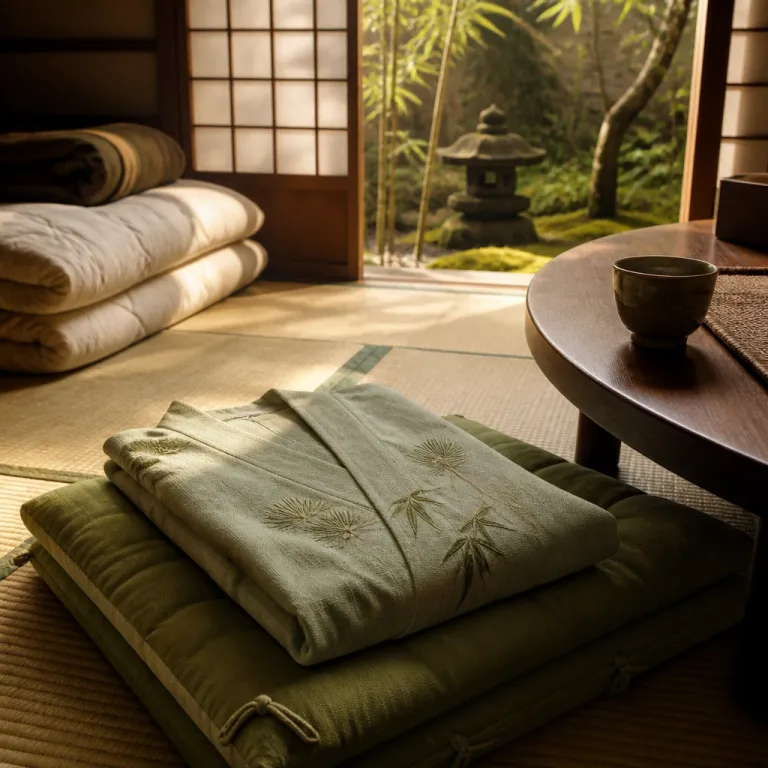
Reading a ryokan through its yukata: first clues at check in
The moment you slide open the room door, the textiles speak. A serious ryokan uses its yukata and other traditional Japanese garments as a quiet manifesto, telling you exactly where you are and how deeply the inn is rooted in its region. Before you unpack, check the weight of the cotton, the pattern on the collar, and how the robe is folded and presented for both men and women.
In traditional Japanese inns, almost all properties provide a yukata for guests, yet the quality gap is wide. At a commodity style stay, the cotton robe feels thin, the fabric is rough, and the obi belt is a generic polyester strip that could have come from anonymous department stores anywhere in Japan. At a craft focused inn, the yukata worn in your room carries local dye work, hand drawn motifs, and sometimes even the name of the weaver discreetly printed inside the collar, with staff or brochures explaining how they see themselves within the wider industry rather than citing unverifiable statistics.
Look at how easy it is to wear yukata after check in, and how staff guide you. Attentive ryokan staff will remind you to wrap left over right and to secure it with the provided obi belt, echoing the cultural guidance that says, “Wrap left side over right, secure with obi belt.” When the nakai san quietly adjusts the garment for both men and women, you feel omotenashi expressed through fabric rather than through scripted speeches.
Regionality shows up fast in the house yukata, especially in hot spring towns. In Kinosaki Onsen, many inns provide bold indigo cotton yukata styles for both male and female guests, designed to be worn outside as you stroll between bathhouses. In Kyoto, patterns tend to be more restrained and traditional, with motifs echoing temple gardens and vintage silk kimono archives, while in southern onsen regions you may find lighter weaves that keep you cool on humid evenings.
For couples booking a premium stay, the textile details become a practical selection tool. If the photos show only one unisex pattern for all guests, expect a more standardized experience, even if the property markets itself as traditional Japanese. When you see multiple designs for men’s and women’s yukata, plus coordinated hair accessories and tabi socks in the room, you are usually looking at a ryokan that treats clothing as part of its cultural narrative rather than as a simple amenity.
Meeting the artisans behind your yukata and kimono inspired pieces
Behind every memorable yukata story, there is usually a local artisan or small workshop. Many high level inns now partner with regional weavers and dyers, turning the simple cotton robe into a curated introduction to Japanese textile culture for both men and women. When you book, ask whether the inn collaborates with specific makers or uses generic suppliers, because the answer reveals how seriously it takes craft.
Some Kyoto properties commission limited runs of cotton kimono style yukata from family owned dye studios that also produce formal silk kimono for tea ceremony. These pieces may mix cotton and vintage silk panels, or use kasuri style weaving that creates softly blurred patterns, giving a subtle vintage character without feeling costume like. In northern regions, you might encounter sashiko inspired stitching on obi or on the edges of the yukata, a nod to traditional Japanese workwear that once helped farmers keep garments strong through repeated use.
Premium ryokan sometimes invite guests into this world with short, focused encounters. You might find a small objects store or craft shop corner near reception, selling Japan made items such as hand woven obi belts, tabi socks, and hair accessories that match the textiles in your room. These objects stores are not generic souvenir stands; they often carry women’s kimono pieces, men’s yukata jackets, and accessories made in the same workshops that supply the inn, allowing you to keep a tangible memory of the stay. One guest described a Kyoto lobby shop as “a tiny gallery of cloth,” where the owner pointed out which patterns came from a fourth generation dyer in nearby Fushimi.
For travelers who care about provenance, this is where a booking platform can do real work. Look for property descriptions that name the textile ateliers, explain whether the cotton is organic, and specify if any silk kimono elements or vintage silk trims are used in the room garments. Our in depth guide to meeting the artisans behind your ryokan stay shows how the best inns turn these partnerships into meaningful encounters rather than simple retail opportunities.
When you talk with artisans, the etiquette around how yukata are worn often comes up naturally. Many will remind you that yukata are designed to be easy to wear, to be worn loosely after the onsen, and to be shared by both men and women without rigid gender rules. They will also be clear that while some inns sell new kimono yukata sets, the garments placed in your room are typically for in house use only, not for taking home, which keeps the circulation of textiles sustainable and respectful.
From zabuton to futon: how padding and filling signal service level
Once you have read the yukata, turn your attention to the floor. The zabuton cushions and futon bedding in a traditional inn are as revealing as any garment, quietly indicating whether you are in a budget stopover or a property that treats sleep as a craft. Sit down, feel the give under your knees, and notice how your body meets the tatami.
Machine made zabuton, common in lower priced inns, are often filled with synthetic fibers that compress quickly, leaving you perched rather than supported. Hand filled cotton zabuton, by contrast, have a satisfying density and a slight unevenness that tells you a person, not a factory line, arranged the layers. In regions with strong futon traditions, such as parts of Kyoto and the Japanese Alps, some ryokan commission local makers to produce both zabuton and futon, creating a coherent textile ecosystem from floor to bedding.
The futon hierarchy is even more telling for discerning couples. At the entry level, you will find thin pads that feel more like camping mats than true futon, often paired with generic polyester duvets that trap heat rather than help you keep a comfortable temperature. At the top end, premium ryokan use hand layered cotton futon that are aired daily, sometimes with optional silk filled duvets for winter, and the way staff lay them out while you bathe in the onsen becomes a small performance of traditional Japanese hospitality.
Textile literacy extends beyond cloth to the objects that frame it. Look at the noren curtain at the entrance to the hot spring area, the runner on the low table, and the fabric panel in the tokonoma alcove; these are all part of the same visual story. Our feature on how a ryokan’s ceramics reveal its sense of place pairs naturally with this textile reading, since the best properties curate both clay and cloth from the same regional networks.
Even small details, such as the cloth used to wrap extra blankets or the fabric ties on storage bags for yukata, can indicate care. When these items use the same patterns as the garments or echo motifs from local Japanese craft objects, you know the inn is thinking in systems, not in isolated amenities. For travelers booking through a premium platform, these clues help you filter listings that simply mention futon from those that treat bedding as a central expression of craft.
Onsen towns, yukata etiquette, and what to wear beyond your room
In classic hot spring towns, the street itself becomes a moving gallery of textiles. The tradition of wearing ryokan yukata outside is most visible when guests step out after dark, wearing robes and wooden geta to wander between bathhouses and small restaurants. Here, what you and other guests wear tells you as much about the town’s character as any guidebook.
Places like Kinosaki Onsen are famous for this shared ritual. Many inns provide multiple patterns of yukata styles, sometimes with different colors for men and women, and a selection of obi belts and hair accessories at the entrance so you can adjust your look before heading out. When you see both men and women embracing this, from elderly couples to younger travelers, you sense how deeply the garment is woven into everyday Japanese style rather than reserved for staged experiences.
Etiquette is simple once you understand the basics. You wear yukata with the left panel over the right, secure it with the obi belt, and pair it with tabi socks if provided, especially in cooler months or when walking on outdoor stone paths. Shoes stay off tatami and off zabuton; you remove them before stepping onto the woven floor, then sit so that the cotton fabric of the yukata, not your bare skin, meets the cushion.
Gendered variations are subtle but worth noting. A men’s yukata cut is usually slightly straighter and may come in darker, more muted tones, while a women’s yukata often has a slightly longer hem and more playful patterns, sometimes echoing motifs from women’s kimono or silk kimono designs. In more design forward ryokan, you may find unisex patterns that blur these lines, allowing both men and women to choose freely among traditional and contemporary prints.
For couples planning a romantic stay, think about how comfortable you feel being seen in these garments beyond the room. Some ryokan keep the yukata strictly for in house use, while others encourage guests to wear them around the entire onsen town, effectively turning the streets into an open air lounge. When booking, check descriptions and photos to see whether guests are shown in yukata outside, and whether the inn offers accessories like small bags or Japanese style pouches to carry your room key and wallet discreetly.
Shopping the look: from ryokan textiles to objects you can take home
After a few nights wrapped in well made cotton, many travelers want to keep a piece of the experience. The textile ecosystem around a ryokan extends naturally into retail, but the best properties handle this with restraint, focusing on quality rather than volume. Instead of a cluttered souvenir corner, you will often find a small, well edited shop near reception.
In these spaces, look for yukata sets made specifically for sale, distinct from the in room garments. They may combine cotton with touches of vintage silk on the collar, or offer coordinated obi belts and hair accessories that echo the inn’s signature patterns. Some shops also stock women’s kimono jackets, men’s yukata robes, and silk kimono pieces sourced from local dealers who specialize in vintage, giving you access to textiles with real history rather than mass produced imitations.
Beyond clothing, thoughtful inns curate Japanese objects that extend the tactile memory of your stay. You might find hand carved wooden trays, ceramic tea cups, or small fabric pouches made from offcuts of kimono yukata cloth, all presented in an objects store that feels more like a gallery than a tourist stall. These items are easy to pack, easy to integrate into daily life back home, and they keep the sensory link to tatami, onsen steam, and the quiet rustle of cotton when a yukata is worn.
Department stores in major cities such as Kyoto, Osaka, and Tokyo also play a role. Many have dedicated kimono and yukata floors where you can check prices, compare cotton weights, and feel the difference between machine printed patterns and hand dyed ones before or after your ryokan stay. For couples planning a longer itinerary, it can be smart to browse these urban options first, then use your time in onsen towns to focus on pieces with clear regional stories.
When you shop, pay attention to how staff explain care and usage. A knowledgeable attendant will show you how to wear yukata properly, how to fold it for storage, and how to keep cotton and silk in good condition over time. They may also suggest tabi socks, obi belts, and small accessories that help you recreate the full Japanese style ritual at home, turning a simple garment into a remembered sequence of gestures.
Choosing a ryokan through its textiles: booking strategies for discerning couples
For travelers using a luxury focused booking website, textiles are not an afterthought. The way a ryokan handles yukata, bedding, and other fabrics can be a primary filter, helping you separate properties that simply provide a place to sleep from those that offer a coherent cultural experience. Reading between the lines of a listing becomes a skill worth cultivating.
Start with the photos and captions. Does the property show close ups of yukata, obi, zabuton, and futon, or only wide shots of rooms and meals? When a ryokan names its textile suppliers on room cards or in descriptions, highlights collaborations with Kyoto dye studios, or mentions partnerships with cultural preservation societies, you can be confident that the garments worn by both men and women are part of a deliberate narrative.
Location matters as well. In mountain regions such as the Japanese Alps, where winters are long, you should expect heavier cotton or even lined yukata, thicker futon, and perhaps wool or silk blend blankets to keep you warm after the onsen. Our guide to refined onsen stays in the Japanese Alps highlights properties where bedding and garments are tuned carefully to altitude and climate, making the difference between a charming photo and a genuinely comfortable night.
Pay attention to how the inn talks about clothing for different guests. If descriptions mention only women’s yukata patterns or focus solely on photo friendly details, you may be looking at a property that treats textiles as décor rather than as functional craft. When listings describe how yukata are worn to dinner, how tabi socks are provided for walking to the hot spring, and how staff help guests wear yukata correctly, you are seeing omotenashi expressed through fabric.
Finally, consider your own comfort with tradition. Some couples prefer very traditional Japanese settings with floor seating on zabuton and futon only, while others appreciate a mix of chairs and beds alongside classic textiles. A good booking platform will let you filter for these preferences, but the real signal lies in how much space is given to yukata, kimono inspired pieces, and bedding in the property narrative, because that is where the daily rhythm of your stay will be felt most clearly.
Key figures: textiles and comfort in traditional Japanese inns
- Industry surveys and association reports indicate that the vast majority of ryokan in Japan provide a yukata for guests, which makes garment quality a crucial differentiator rather than a rare perk; many inns now reference this norm in their own materials to underline how they exceed basic expectations.
- Typical room setups include multiple zabuton cushions to support floor seating, a number that reflects the central role of tatami based hospitality and affects how comfortably couples can share the space; individual properties may vary, so always check current details rather than relying on a single average figure.
- Ryokan that partner with local textile artisans often rotate patterns seasonally, aligning cotton weights and colors with regional climate shifts, which can significantly improve guest comfort in both humid summers and snowy winters.
- Onsen towns such as Kinosaki Onsen may have dozens of inns within a compact area, so visible differences in yukata patterns on the street become an informal map of each property’s investment in craft and regional identity.
FAQ: textiles, yukata, and etiquette at the ryokan
How do I wear a yukata correctly at a ryokan ?
You wear yukata by wrapping the left side over the right, then securing it with the provided obi belt at your waist. This left over right orientation is essential, since the opposite is reserved for funerary dress in Japanese culture. Many ryokan staff will quietly check your garment and adjust it if needed, ensuring that the yukata is worn comfortably and respectfully.
Can I take the yukata from my room home with me ?
In most traditional Japanese inns, the yukata placed in your room is intended for in house use only. These garments are laundered and reused, forming part of the ryokan’s textile inventory rather than a complimentary gift. If you wish to keep a yukata, check whether the inn has a shop or objects store selling new sets specifically for guests to purchase.
What is the purpose of a zabuton cushion on the tatami floor ?
A zabuton is a flat, padded cushion designed to make sitting on tatami more comfortable during meals, tea, or quiet reading. Higher quality zabuton are typically filled with layered cotton rather than synthetic fibers, which provides better support and breathability. When you sit, you should remove your shoes before stepping on the tatami and let the fabric of your yukata, not bare skin, meet the cushion.
Are yukata provided for both men and women at most ryokan ?
Yes, most ryokan provide yukata for both men and women, often in different sizes and sometimes in distinct patterns or colors. Some properties offer a choice of designs at check in, allowing couples to select garments that suit their taste. If you have specific preferences about style or fit, it is worth asking in advance or at the front desk.
Do eco friendly or modern textile options exist in traditional inns ?
Many contemporary ryokan are gradually incorporating eco friendly materials into their textile programs, such as organic cotton for yukata or sustainably sourced fillings for futon and zabuton. Modern patterns that reference regional motifs are also becoming more common, blending traditional Japanese aesthetics with updated color palettes. When booking, look for descriptions that mention sustainable sourcing or collaborations with local artisans focused on responsible production.