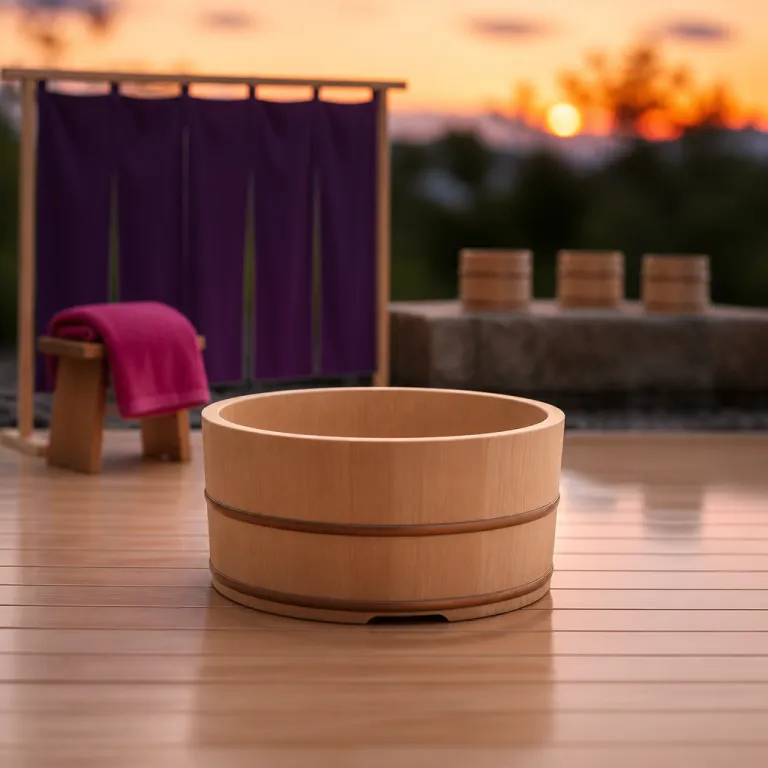
Understanding the private onsen versus shared bath decision
Choosing between a private onsen and a shared bath at a ryokan is the first real fork in the road for many travelers. That single choice shapes how you experience traditional Japanese bathing culture, how your rooms feel, and how much of your trip budget flows into hot spring indulgence. When you book a stay in Japan, the way you bathe can matter as much as the room category you select.
At its simplest, you are weighing three models of baths that most ryokans offer to guests. The first is the in room private bath, often a true hot spring tub fed by natural spring water and sometimes called a tsuki buro, which is the most intimate and expensive option. The second is the reservable private bath, or kashikiri buro, where you book time slots in private baths that sit apart from your rooms but still away from the large public areas.
The third model is the communal gender separated baths, known as dai yokujo, which are the classic public baths many travelers picture when they think of an onsen ryokan. These shared facilities usually include indoor pools, sometimes open air baths, and occasionally a sauna or cold water plunge. For many Japanese guests, these large public spaces are the heart of the property and the place where the hot spring culture feels most authentic.
When you compare a private onsen to a shared bath, think beyond the word private and focus on how you personally relax. Some travelers feel most at ease in a quiet room bath with only the sound of flowing water and the open air just beyond a shoji screen. Others find that the ritual of walking through the property in yukata, washing carefully in the bath room, and stepping into public baths with other guests is exactly why they came to Japan.
Comfort level is not only about modesty, although that matters when you choose between a private bath and communal pools. It is also about how you like to structure your evenings, whether you want to slip into hot spring water directly from your futon or make the onsen a destination within the property. Families, couples, and solo travelers will often arrive at different answers, which is why the best ryokans now design rooms and baths to support all three models in parallel.
The three bath models and what they really offer
In room private onsen baths are the most coveted feature on many booking pages, and the premium is real. A ryokan private hot spring tub attached to your room can easily add hundreds of dollars per night, especially when that air bath is on a terrace with open air views of a river or forest. The appeal is obvious, because you can step from tatami to hot spring water in seconds, with no schedule and no other guests in sight.
These rooms private often feature deep stone or hinoki cypress tubs, with spring water piped directly from the same source as the large public baths. When the property uses true hot spring water in every room bath, it will usually say so clearly in its English description, because that detail justifies the higher rate. Some ryokans instead heat regular tap water for in room baths, reserving the pure onsen water for the public baths, so always ask before you book if the water source matters to you.
Reservable private baths sit between full privacy and the shared experience of public baths, and they are often the most practical choice for families. You book a time slot, walk through the property in your yukata, and then lock the door behind you for thirty to sixty minutes of exclusive use. These private baths may be indoor, open air, or a mix of both, and the best ryokans design them with generous space so parents and children can bathe together comfortably.
Communal gender separated baths remain the backbone of onsen culture in Japan, even at very luxurious ryokans. In these large public areas, you will find multiple pools at different temperatures, sometimes with open air baths that frame mountain or sea views. For many experienced travelers, the rhythm of washing at the bath room stools, soaking in hot spring pools, and then cooling off in the open air is more restorative than any private bath could be.
When you are weighing private onsen versus shared bath options, remember that you rarely have to choose only one model. Many travelers book a room with a small bath private on the balcony and still spend most of their time in the public baths, using the room bath for late night soaks or early morning air baths. If you care deeply about the mineral composition of the spring water, read up on how regional geology shapes the onsen experience in different parts of Japan by consulting specialist guides on mineral rich spring water and their effects.
Cost, value, and when the premium for privacy makes sense
From a budgeting perspective, the gap between a standard room and a room with a private onsen can be significant. In popular onsen towns like Hakone, a ryokan private hot spring tub on your terrace can double the nightly rate, especially when the rooms open toward a river gorge or Mount Fuji. That premium reflects not only the cost of plumbing and spring water usage but also the fact that these rooms are limited and book out quickly.
Reservable private baths usually follow a different pricing logic, which can work well for families who want flexibility. Many ryokans charge a flat fee per session, often for forty to sixty minutes, and that fee covers all guests in your party rather than per person pricing. When you compare that to the cost of upgrading every room in your booking to have a private bath, the kashikiri model can be far more efficient.
Communal public baths are almost always included in the base room rate, which is why experienced travelers often steer their budget toward better kaiseki dinners or larger rooms instead of in room tubs. If you are comfortable with shared spaces, the large public onsen areas deliver the most hot spring time for your money, especially when they include both indoor and open air baths. In destinations like Hakone, some of the best ryokans pair extensive public baths with only a handful of rooms private onsen, striking a deliberate balance between exclusivity and tradition.
For a premium family, the question is not simply whether you can afford a private onsen but whether that spend enhances your trip in a meaningful way. If you know your children will be too tired after dinner to walk to the public baths, then a room bath or air bath on the balcony might be worth every yen. If your family loves the idea of exploring different pools and temperatures, then a property with expansive public baths and a few reservable private baths may offer better value.
Timing also affects value, because shoulder season stays often unlock more attainable rates for rooms with private baths. When you plan a Japan trip around quieter months, you may find that a room bath with open air views costs less than a standard room in peak cherry blossom periods. For a deeper look at why off peak stays at an onsen ryokan can stretch your budget further, consult specialist guides to shoulder season value in Japanese hot spring regions.
Comfort, culture, and why many travelers still choose shared baths
For first time visitors to Japan, the idea of walking naked into large public baths can feel daunting. That hesitation is understandable, especially if you come from cultures where shared bathing is rare and privacy is prized in every bath room. Yet many travelers who initially book only private onsen options end up falling in love with the communal rhythm of an onsen ryokan.
Shared gender separated baths are where the etiquette of traditional Japanese bathing comes alive, from the way guests wash before entering the pools to the quiet conversations that float above the steam. You sit on a small stool, rinse thoroughly with hot water, and then soak in spring water that has often flowed for centuries beneath the property. The air is warm, the pools are still, and the sense of time softens in a way that is hard to replicate in a small room bath.
Experienced travelers often argue that the large public baths are where a ryokan reveals its true character. You notice whether the tiles are immaculate, whether the open air baths are thoughtfully shielded from neighboring buildings, and whether the water feels alive with minerals rather than flat like heated tap water. When a property invests in both beautiful public baths and well maintained private baths, it signals a deeper respect for onsen culture.
Comfort level also shifts over the course of a trip, which is why a hybrid approach works so well. You might start with a room that has a small bath private on the balcony, using it when you feel shy, and then gradually venture into the public baths as your confidence grows. By the end of a week in Japan, many guests report that the shared baths feel more relaxing than the private open air tubs attached to their rooms.
For families, communal baths can be a gentle way to introduce children to Japanese customs, as long as you choose properties that welcome young guests in the large public areas. Some ryokans set specific hours when children can use the public baths, while others encourage families to rely more on reservable private baths during busy periods. Reading reviews that focus on how staff handle families in both public baths and rooms private onsen can be more revealing than any glossy brochure.
Tattoos, families, and when private onsen are the better choice
One of the most practical reasons to prioritize a private onsen is tattoo policy, which remains strict at many traditional Japanese properties. Large public baths often prohibit visible tattoos entirely, or they may ask tattooed guests to cover small designs with patches that do not always stay in place in hot water. If you or anyone in your group has extensive body art, a room with a private bath or access to reservable private baths can turn a potential problem into a non issue.
Many ryokans quietly use private baths as a way to welcome tattooed guests without changing long standing rules in the communal areas. When you book, ask directly whether tattooed guests may use the kashikiri baths and whether those baths use the same hot spring water as the public baths. Properties that are serious about inclusivity will usually confirm that their private open air tubs draw from the same spring water source as the main onsen pools.
For families with young children, private baths are often less about modesty and more about logistics. Bathing a toddler in a large public onsen can be stressful, especially if you are worried about noise, splashing, or your child running across wet tiles. A reservable air bath with a door you can lock allows parents to manage bath time at their own pace, with space for toys, towels, and the inevitable mid soak snack break.
Room baths also help families align bathing with sleep routines, which matters on a multi stop trip across Japan. You can run a hot spring bath room while one parent settles futons, then move a sleepy child straight from the tub into bed without crossing the property in cool night air. For older children and teens, a mix of family time in private baths and independent visits to the public baths can ease them into shared bathing culture gradually.
When you evaluate ryokans for a premium family stay, look closely at how many rooms private onsen they offer and how those rooms are configured. Some properties only attach private baths to compact rooms designed for couples, while others create larger suites where the room bath is big enough for parents and children together. The best ryokans for families will also state clearly whether children are welcome in public baths and at what times, so you can plan your bathing schedule with confidence.
How to read listings and ask the right questions before you book
Online listings for onsen ryokan can be opaque, especially when translated from Japanese, so reading between the lines is essential. When you see phrases like open air bath or rooms open to the river, confirm whether the bath is filled with true hot spring water or simply heated tap water. A property that highlights natural spring water in both public baths and private baths is usually proud of its source and will share details about temperature and mineral content.
Always ask whether the private onsen in your room uses the same hot spring as the large public baths, because some ryokans only pipe spring water to the communal areas. If the room bath relies on regular water, you may decide that a standard room plus time in the public baths offers better value than paying for a non onsen tub. Clarify whether the bath private on your balcony is fully open air or partially enclosed, especially in regions where winter air can be sharply cold.
Size matters as much as water source, particularly for families and taller guests. Request the approximate dimensions of the private bath and ask whether it comfortably fits two adults sitting side by side, because photos can be misleading. For reservable private baths, confirm whether they are designed as air baths with open air views or as indoor rooms, and whether there is a surcharge per session.
View is another key variable that can transform a simple room bath into a highlight of your trip. Some of the best ryokans position their rooms private onsen to face rivers, bamboo groves, or distant peaks, while others tuck them into interior courtyards with limited outlook. If a view matters to you, ask for specific room numbers or wings where the open air baths align with the landscape rather than the parking lot.
Finally, pay attention to ventilation and air quality in both private and public baths, because hot spring steam can build quickly in enclosed spaces. Well designed air baths and communal rooms open to the outside will feel fresh even when the water is hot and the pools are busy. When a property answers these questions clearly and promptly before you book, it is usually a sign that the team understands how central bathing is to the overall ryokan experience.
Key figures on onsen preferences and ryokan bathing choices
- Surveys by the Japan Tourism Agency indicate that more than half of international visitors who stay at an onsen ryokan cite access to hot spring baths as a primary reason for choosing that property, underscoring how central bathing is to the overall trip experience.
- Industry data from major Japanese booking platforms show that rooms with private onsen baths can command premiums of 30 to 80 percent over comparable rooms without in room tubs, especially in high demand regions such as Hakone, Kusatsu, and Beppu.
- Research by the Japan National Tourism Organization suggests that around one third of foreign guests feel hesitant about using large public baths on their first stay, but a majority of those guests report increased comfort with communal bathing after a single night at a ryokan.
- Family travel reports from domestic tourism boards indicate that reservable private baths are among the most requested facilities for parents with children under ten, particularly in onsen towns where public baths are busiest during evening peak hours.
- Hospitality benchmarking studies in Japan show that ryokans which clearly explain their hot spring water sources and tattoo policies on booking pages tend to receive higher guest satisfaction scores related to onsen facilities and overall transparency.
FAQ about choosing between private onsen and shared baths
Is a private onsen worth the extra cost at a ryokan ?
A private onsen is worth the premium if you value privacy, flexible bathing times, or need to navigate tattoo restrictions without stress. For families with young children or travelers who prefer to bathe late at night, an in room bath or reservable private bath can significantly enhance comfort. If you enjoy communal spaces and plan to spend most of your time in large public baths, you may find better value in a standard room and a higher overall service level.
Can tattooed guests use public baths at traditional Japanese inns ?
Many traditional Japanese ryokans still restrict tattoos in large public baths, especially in regions with strong local customs. Some properties allow small tattoos if they are fully covered with patches, while others direct tattooed guests to reservable private baths or in room tubs instead. When tattoos are a concern, always email the property before you book and ask specifically about both public baths and private onsen access.
Do all private baths at ryokans use real hot spring water ?
Not every private bath at a ryokan is a true onsen, even when the property sits on a hot spring source. Some in room tubs use regular heated tap water, reserving natural spring water for the communal public baths to manage flow and temperature more easily. If bathing in genuine hot spring water matters to you, confirm in writing whether your room bath and any reservable private baths draw from the same spring as the main onsen pools.
What is the best option for families with young children ?
For families with young children, reservable private baths usually offer the best balance of space, safety, and cultural comfort. Parents can bathe together with their children without worrying about disturbing other guests in large public baths, and they can schedule sessions around naps and dinner. A room with a small private onsen can be helpful for quick evening soaks, but a larger kashikiri bath often feels more practical for shared family time.
How many times should I bathe during a typical onsen ryokan stay ?
Most Japanese guests bathe at least twice during a single night stay, once before dinner and once in the morning, and many add a late night soak if public baths are open. If you have access to both private onsen facilities and communal pools, you might use the private bath for a quick rinse and the large public baths for longer, more meditative soaks. Listening to your body and the rhythm of your trip is more important than hitting a specific number of baths.