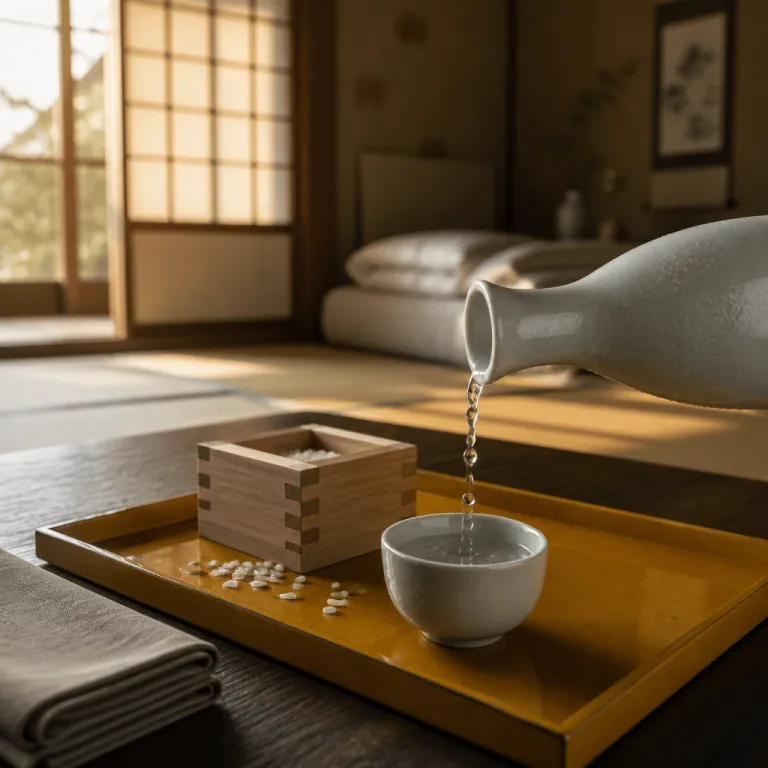
Why cold sake belongs at the heart of a luxury ryokan stay
Cold sake in a traditional Japanese inn is not just a drink; it is a quiet ceremony that frames your entire stay. When you arrive at a premium ryokan, the way sake is served, the temperature chosen, and the rice style selected all signal how seriously the property treats hospitality and culinary craft. For travelers comparing options on a luxury booking website, paying attention to the sake collection, the serving rituals, and the level of sake expertise can be as revealing as the room photos.
High end ryokan often work directly with local sake brewers, commissioning junmai labels or limited ginjo batches that never reach ordinary retail stock. In Yamagata, for example, some inns collaborate with breweries such as Dewazakura, while properties in Niigata may feature exclusive bottlings from producers like Hakkaisan or Asahi-Shuzo (makers of Kubota). This close relationship means the sake price on the menu reflects not only the liquid in the glass but also the time, rice polishing ratio, and aging decisions made by the brewers and sake sommeliers. A typical premium junmai daiginjo, for instance, may use rice polished down to 50% or less of its original size, which concentrates flavor and raises costs. When you read the drink list details on a booking platform, look for clear notes on whether the sake is served chilled, at room temperature, or as warm sake, because this shows the inn understands how temperature shapes flavor.
Cold sake is usually offered in several styles, from light ginjo to richer junmai daiginjo, each designed to pair with kaiseki cuisine or seasonal snacks. A thoughtful inn will explain which chilled sake works best before dinner, which should be enjoyed at room temp with grilled dishes, and which can be gently warmed for late night relaxation. If you want to save time during check in, you can even message the property in advance and ask for a full overview of their cold sake collection and how it is served with the evening meal.
Reading sake lists on booking sites like a sommelier
When you browse a luxury ryokan on a booking website, the sake section of the dining page can feel dense, yet it holds crucial clues about quality. Look for clear categories such as junmai, junmai ginjo, and junmai daiginjo, because these indicate how much of the rice has been polished away and how refined the aromas will be when the sake is served. If the inn highlights ginjo nama or tokubetsu junmai in both singular and plural forms, you are likely looking at a property that curates its drinks as carefully as its rooms.
Cold sake descriptions should mention serving temperature in degrees Celsius or degrees Fahrenheit, especially for premium ginjo and daiginjo styles that shine when chilled between 5 and 15 degrees Celsius. Some inns will compare the ideal temperature for chilled sake to that of white wine, which helps international guests understand why a lower temperature reveals delicate flavor aroma notes. When a listing explains that certain labels are served cold while others are offered as sake warm or sake hot, it shows the team understands that not all sake should be treated the same way.
For travelers planning a culinary focused stay, it is worth checking whether the inn offers a sake pairing with kaiseki, sometimes described as a seasonal cold sake collection. Many properties now present detailed pairing menus online, and some link these to in depth articles about the dining experience, such as a guide to the kaiseki paradox where dinner becomes the destination. If the booking page lets you skip content that is not relevant and jump straight to beverage details, use that feature to compare how each inn balances hot sake, warm sake, and chilled sake across the full meal.
Perfect temperatures for cold, warm, and hot sake in your room
Temperature is the quiet architect of every sake experience in a ryokan, especially when you enjoy a drink in your private room after soaking in the onsen. For cold sake, the sweet spot is usually between 5 and 15 degrees Celsius, which corresponds roughly to the lower 40s to upper 50s in degrees Fahrenheit, depending on the style and the brewer’s intention. Ginjo and daiginjo sakes are ideal when chilled, while some richer junmai labels can be enjoyed either as chilled sake or gently warmed.
Many luxury inns provide a small in room refrigerator so that cold sake can be kept at a stable temperature, similar to how you would store white wine at home. If you prefer room temperature sake, you can simply remove the bottle and let it rest until it reaches room temp, which softens the flavor aroma and highlights umami from the rice. Guests who enjoy warm sake or hot sake can usually request that the staff bring a tokkuri warmed in a water bath, a method that allows precise warming sake without damaging delicate aromas.
Breakfast is another moment when temperature matters, especially in properties that treat the morning tray as a showcase of the kitchen. Some ryokan now offer a tiny pour of chilled sake with grilled fish or pickles, and you can read more about this approach in analyses of the ryokan breakfast that reveals the kitchen. When you book, ask whether any sake served at breakfast is offered cold, at room temperature, or slightly warm, and whether the inn can provide full details about the rice variety and brewing style used.
Pairing cold sake with kaiseki and seasonal menus
Cold sake reaches its full potential when it is paired thoughtfully with kaiseki, the multi course dinner that defines many high end ryokan stays. A typical meal might begin with a light ginjo served chilled, whose bright aromas echo the freshness of sashimi or a clear broth, before moving to a richer junmai or tokubetsu junmai at room temperature with grilled river fish. Later courses can feature junmai ginjo or junmai daiginjo, sometimes served cold again to cut through the richness of tempura or wagyu.
Some inns design a dedicated cold sake collection for each season, rotating labels as new shipments arrive from partner breweries to keep the stock aligned with the menu. At coastal ryokan in Ishikawa or Wakayama, for instance, summer menus might highlight crisp ginjo served chilled with ayu or squid, while winter stays feature fuller bodied junmai alongside hot pots. When you read the booking site, look for notes that certain sakes are served chilled with specific dishes, while others are offered as sake warm or sake hot alongside simmered or deep fried items. This level of detail shows that the property treats sake serving as seriously as wine pairing in a Michelin level restaurant.
Guests who are new to sake often appreciate comparisons to white wine, especially when staff explain that chilled sake can play the role of a crisp Riesling or a structured Chardonnay. The best inns train their teams to guide you through flavor aroma differences between ginjo nama, aged junmai, and fresh namazake, adjusting the temperature from cold to room temp or even warm sake as the meal progresses. One innkeeper in Niigata likes to tell guests, “Think of temperature as the volume knob on your sake; we turn it up or down so the rice, water, and koji stay in harmony.” If you are planning a business focused stay and expect to arrive late, you can consult resources such as a business traveler’s ryokan playbook and then email the inn to arrange a shorter tasting flight of chilled sake after your meeting.
Evaluating value, price, and ways to save on premium sake
Luxury ryokan stays are rarely about finding the lowest price, yet understanding value helps you choose where to indulge in cold sake. When you compare properties on a booking website, look for whether the room rate includes a free welcome drink, a small sake tasting, or access to a curated collection at a preferential price for in house guests. Some inns allow you to save by pre booking a sake pairing with dinner, which can be more economical than ordering several individual glasses from the menu.
Menu transparency is crucial, so pay attention to how clearly each sake’s price, rice type, and serving style are presented. A serious property will list whether a label is junmai, ginjo, junmai ginjo, or junmai daiginjo, and whether it is served chilled, at room temperature, or as warm sake, along with tasting details about aromas and flavor. When the inn explains why a particular ginjo nama is served cold while another sake is offered as sake hot, you can better judge whether the cost reflects thoughtful curation or simply a long stock list.
Guests who plan to enjoy several drinks over a multi night stay can ask whether the inn offers a small cold sake collection by the carafe, which often provides better value than ordering by the glass. Some properties also sell sealed bottles to take home, and here it is wise to ask how long the sake will remain at its best once opened, especially if it has been stored chilled for service. If you are sensitive to budget, do not hesitate to request recommendations for the best value options, including any warm sake or room temp pours that allow you to save without compromising on quality.
How to communicate your sake preferences before and during your stay
Clear communication with the inn before arrival can transform your cold sake experience from a simple drink into a tailored ritual. When you complete your booking, use the message field rather than the skip content button to share preferences such as a love for chilled sake, an interest in warm sake, or a desire to compare hot sake with cold styles. Many ryokan now collaborate with sake sommeliers who can design a mini tasting flight that moves from chilled sake to room temperature and then to gently warming sake, matching each pour to your comfort level.
During check in, ask whether the property has a printed or digital list with full details of its sake collection, including rice varieties, alcohol levels, and recommended serving temperatures in degrees Fahrenheit or Celsius. Staff can explain which labels are best served chilled, which shine at room temp, and which are traditionally sake warm or sake hot, helping you avoid choices that might not suit your palate. If you are unsure where to start, rely on the staff’s training and on widely shared guidance from sake educators, who consistently note that “Ginjo and Daiginjo sakes are ideal when chilled.”
Once you are in your room, pay attention to how the sake is served, from the choice of glassware to whether the bottle arrives already chilled or at room temperature. If a pour feels too cold or too warm, politely ask the staff to adjust the temperature, just as you would with white wine in a fine dining restaurant. Over the course of your stay, you will gain a deeper understanding of how cold sake, warm sake, and room temp pours each reveal different layers of flavor aroma, turning every evening into a quiet masterclass in Japanese hospitality.
Key figures and trends in cold sake and ryokan hospitality
- Japan’s National Tax Agency reports that sake exports have grown steadily over the past decade, with the United States, China, and Hong Kong among the largest markets. According to the 2022 National Tax Agency Sake Export Statistics, export value reached a record high, and this global appetite for chilled sake and premium labels is reflected in the extensive drink lists at many luxury ryokan.
- Specialists generally recommend serving cold sake between 5 and 15 degrees Celsius, a range that balances crisp refreshment with expressive aromas and that most high end inns can maintain using dedicated refrigerators and ice baths.
- Writers and educators in the sake world note a rising popularity of chilled sake worldwide, which encourages traditional Japanese inns to expand their collections beyond local junmai styles and include more ginjo, junmai ginjo, and junmai daiginjo options.
- Modern travelers increasingly visit sake breweries for tastings during ryokan stays, turning a simple drink into a full day activity that deepens understanding of rice varieties, brewing methods, and ideal serving temperatures.
- Many properties now offer year round cold sake service, moving beyond the older custom of reserving chilled pours mainly for summer and aligning with a broader global trend toward refreshing, lower temperature beverages.
FAQ about cold sake in traditional Japanese inns
What types of sake are best served cold in a ryokan ?
Ginjo and Daiginjo sakes are ideal when chilled, so most luxury inns highlight these labels in their cold sake collection. Many also serve aromatic ginjo nama and refined junmai daiginjo at low temperatures to emphasize fruit and floral aromas. Richer junmai or tokubetsu junmai can be offered either as chilled sake or at room temperature, depending on the dish.
Can all sake in a traditional inn be served cold ?
Not all; some sakes are better warm, especially robust junmai styles that reveal more umami when gently heated. A good ryokan will indicate on the menu which labels are best served chilled, which should be enjoyed at room temp, and which can be offered as warm sake or hot sake. When in doubt, ask the staff how each sake served is usually presented with their cuisine.
What is the ideal temperature for cold sake during my stay ?
The ideal range for cold sake is between 5 and 15 degrees Celsius, which corresponds roughly to the low 40s to high 50s in degrees Fahrenheit. Lighter ginjo and daiginjo styles are often served at the cooler end, while fuller bodied junmai may be slightly warmer. Your inn can adjust the temperature to match your preferences, just as with white wine.
Does cold sake taste different from warm sake in a ryokan meal ?
Yes, chilling enhances crispness and fruitiness, while warm sake tends to highlight umami and spice notes. During a kaiseki dinner, you might start with chilled sake to match delicate dishes, then move to room temperature or gently warming sake with richer courses. This progression allows you to experience how temperature changes the flavor aroma of the same rice based drink.
How should I store sake in my room for optimal flavor ?
Keep refrigerated and consume promptly, especially for delicate ginjo and daiginjo styles that are meant to be served chilled. If your room has no refrigerator, ask the staff to store the bottle and bring it to you as cold sake shortly before serving. Avoid leaving open bottles at room temperature for long periods, because this can dull aromas and reduce the freshness that makes chilled sake so appealing.
