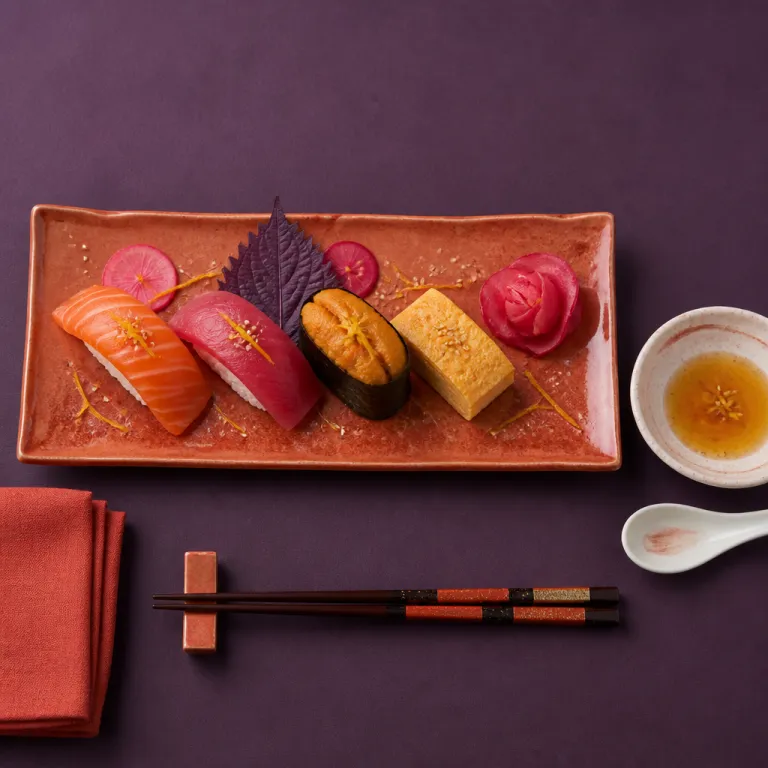
Why low sodium sushi matters when you stay at a luxury ryokan
Guests choosing a luxury traditional Japanese inn increasingly ask about low sodium sushi at dinner, especially when they travel for wellness or manage hypertension. High sodium intake is clearly linked to cardiovascular health issues, so premium ryokan now treat sodium management with the same care as seasonal ingredients, plating, and onsen rituals. When you plan a stay, understanding how sushi rice, fish, and sauces affect your health helps you enjoy every course without anxiety and still savor the full kaiseki experience.
Nutritionists working with high end properties explain that sodium in one tbsp soy sauce can reach about 960 mg, while sodium in 1 tbsp low-sodium soy sauce is roughly 575 mg, based on data summarized by The Kidney Dietitian from USDA FoodData Central. That difference is significant when a full sushi meal includes several dips of soy sauce, multiple sushi rolls, and perhaps a soup or grilled fish course. In response, many ryokan chefs quietly reformulate their sushi rice, broths, and marinades to keep sodium low while preserving umami depth.
When you book, ask whether the kaiseki dinner can feature a dedicated low sodium sushi course or a modified omakase sequence. Some inns now highlight this on their English menus, listing the exact ingredients in each sushi roll, from the type of raw fish to the vegetables and nori sheets used. This level of transparency builds trust and lets you balance pleasure, health, and cultural immersion in one carefully curated sushi meal.
How premium ryokan chefs craft refined low sodium sushi menus
In luxury ryokan near Tokyo and Kyoto, sushi chefs collaborate closely with nutritionists to design low sodium sushi that still feels indulgent and true to regional tradition. They start with the base, choosing sushi rice cooked in precisely measured rice cups with the appropriate amount of water, then seasoning it with a lighter mix of rice vinegar, a touch of sugar, and minimal salt. This creates a fragrant rice foundation that supports the fish and vegetables without relying on high sodium seasoning.
For guests booking a stay focused on wellness, many properties now offer tasting menus where each sushi roll is calibrated for balanced nutrition and elegant presentation. You might enjoy a sequence of sushi rolls that pair raw fish with avocado, cucumber, and other vegetables cut into thin strips, wrapped in glossy nori sheets or delicate rice paper. Instead of heavy sodium soy sauces, chefs brush the fish with house made reductions based on rice vinegar, kombu, and water to deliver umami with far less sodium.
Registered dietitian Keiko Sato, who advises several boutique ryokan in the Kansai region, notes that “we typically aim to reduce sodium in marinades and dipping sauces by around 30 percent compared with older house recipes, mainly by diluting soy sauce with water and rice vinegar and layering flavor with kombu, bonito, and citrus.” Properties in this category often have the staffing and training to support guests who request low sodium sushi or fully tailored sushi meals. They also tend to work with trusted sushi restaurants and dietitians, ensuring that every roll aligns with both culinary excellence and modern health expectations.
Inside the ryokan kitchen: rice, water, and precise low sodium technique
Behind the scenes, the way a ryokan handles rice and water quietly shapes the quality of every low sodium sushi course. Chefs measure rice cups with almost ceremonial precision, rinse the grains until the water runs clear, then rest the rice before cooking to achieve the ideal texture. This careful handling allows them to reduce added sodium, because perfectly cooked sushi rice carries flavor even with a lighter seasoning of rice vinegar and salt.
Many premium inns now offer brown rice options for guests who want extra fiber and a lower glycemic impact with their sushi meal. Brown rice requires slightly more water per cup and a longer cooking time, yet when seasoned with a balanced mix of rice vinegar and a restrained amount of sodium, it becomes a robust base for vegetable forward sushi rolls. Paired with fillings like avocado cucumber, grilled vegetables, or lightly marinated raw fish, these rolls feel both healthy and deeply satisfying.
Breakfast at a traditional inn often reveals the kitchen’s philosophy, and the same care extends to any sushi served later in the day. When a property takes pride in its morning tray, as explored in this article on why ryokan breakfast reveals the kitchen, you can usually expect thoughtful handling of sodium across all meals. That attention shows up in details such as the choice of low sodium soy sauce, the balance of protein and vegetables, and the way each sushi roll is brushed rather than soaked with seasoning.
Choosing fillings and rolls that keep sodium low without losing luxury
When you sit down to dinner at a high end inn, the variety of sushi rolls can feel overwhelming. To keep sodium low while enjoying the artistry, focus on fillings that rely on natural flavor rather than heavy sauces or processed ingredients. Fresh fish, seasonal vegetables, and ripe avocado provide protein, healthy fats, and vibrant color without pushing sodium levels too high.
Ask your host or sushi chef to emphasize rolls built around raw fish, avocado cucumber combinations, and crisp cucumber cut into thin strips. These ingredients pair beautifully with lightly seasoned sushi rice and nori sheets, creating sushi rolls that feel luxurious yet remain aligned with your health goals. When cream cheese or other rich additions appear, request smaller portions or balance them with extra vegetables and brown rice options to keep overall nutrition in check.
Many ryokan now train their staff to explain which sushi roll choices are naturally low sodium and which rely on sodium soy based marinades. They may suggest replacing a high sodium eel glaze with a brush of rice vinegar and citrus, or serving soy sauce in a small dish measured by the tbsp to help you moderate intake. This collaborative approach respects both traditional technique and modern expectations for health conscious travel dining.
Working with chefs and nutrition experts during your ryokan stay
Luxury inns increasingly rely on partnerships between sushi chefs, in house dietitians, and external nutritionists to refine their low sodium sushi offerings and guide guests in real time. These professionals share a clear objective: reduce sodium intake while maintaining the pleasure and ritual of a multi course sushi meal. When you book, you can request a consultation or simply note your preference for low sodium options so the kitchen can plan ahead.
During your stay, do not hesitate to ask how the team handles soy sauce, marinades, and other high sodium elements. Many properties now keep both regular soy sauce and low sodium soy sauce on hand, and some even prepare custom dipping blends with extra water, rice vinegar, and aromatics to dilute sodium without losing umami. Staff may also recommend choosing sashimi, vegetable rolls, or simple sushi rice with grilled fish instead of heavily sauced items, echoing the guidance that “Is sushi high in sodium? Depends on ingredients; sauces and processed items increase sodium. How to reduce sodium in sushi? Choose fresh fish, avoid sauces, and limit soy sauce use. Are there low-sodium sushi options? Yes, options like sashimi and vegetable rolls are lower in sodium.”
Because high sodium intake is linked to hypertension and other chronic conditions, this level of care is more than a trend. It reflects a broader shift in luxury hospitality toward measurable health outcomes, not just indulgence. When a ryokan invests in training its staff and adjusting recipes, it signals a commitment to long term guest well being as well as immediate satisfaction at the table.
Planning a wellness focused stay: onsen rituals and low sodium sushi dining
For many travelers, the ideal ryokan stay blends restorative onsen bathing with carefully balanced meals, including thoughtfully prepared low sodium sushi. Long soaks in mineral rich water can be dehydrating, so moderating sodium intake at dinner helps your body maintain equilibrium overnight. Choosing sushi rolls with plenty of vegetables, moderate protein, and restrained use of soy sauce supports both relaxation and recovery.
When comparing properties, look for those that highlight wellness programs, seasonal kaiseki, and flexible sushi meal planning on their booking pages. Some inns near famous hot spring towns, such as Kinosaki Onsen, pair guided bathing routes with menus that emphasize low sodium broths, grilled fish, and lighter sushi rice preparations. Reading resources like this guide to walking between the seven public baths in Kinosaki Onsen can help you understand how bathing schedules and meal timing work together.
Once you arrive, communicate your preferences clearly, ideally before the first dinner service. Ask whether the kitchen can prepare a special sushi roll selection using brown rice, extra vegetables, and minimal sodium soy based sauces, and whether they can serve soy sauce in measured tbsp portions. This kind of planning lets you enjoy the full ritual of a traditional Japanese inn while keeping both sodium and overall nutrition aligned with your personal health strategy.
Key statistics on sodium and sushi in luxury travel dining
- Sodium in one tbsp of standard soy sauce reaches about 960 mg, while sodium in 1 tbsp low sodium soy sauce is 575 mg, according to data reported by The Kidney Dietitian from USDA FoodData Central; this difference can significantly reduce total sodium during a sushi meal with multiple dips.
- Nutritionists advising luxury properties often aim to cut sodium in sauces and marinades by at least 30 percent compared with conventional recipes, primarily by diluting soy sauce with water and rice vinegar and relying more on herbs and umami rich ingredients such as kombu and bonito.
- Wellness travel surveys consistently show increased demand for low sodium diets among high end guests, which has encouraged more sushi restaurants and ryokan kitchens to offer vegetable forward rolls and sashimi focused menus.
- Using brown rice instead of refined white sushi rice can increase fiber intake by roughly two to three grams per 100 g serving, supporting better satiety and overall nutrition without affecting sodium content.
FAQ about low sodium sushi at luxury Japanese inns
How can I keep my sushi meal low in sodium during a ryokan stay?
Request that the kitchen use low sodium soy sauce, serve soy sauce in small tbsp portions, and emphasize sashimi, vegetable rolls, and lightly seasoned sushi rice. Avoid heavily marinated items and ask for sauces on the side. Choosing more vegetables and plain raw fish fillings naturally reduces sodium while preserving flavor.
Are sushi rolls at traditional inns always high in sodium?
Sodium levels vary widely depending on ingredients and preparation. Rolls with processed fillings, rich sauces, or multiple dips in soy sauce can be high sodium, while simple rolls with fish, avocado, cucumber, and vegetables wrapped in nori sheets are usually lower. Luxury ryokan increasingly adjust recipes to keep sodium low without compromising taste.
What should I ask the chef if I follow a low sodium diet?
Inform the staff about your dietary needs when booking and again at check in. Ask whether they can prepare low sodium sushi using brown rice, extra vegetables, and minimal sodium soy based sauces, and whether they can avoid adding salt to sushi rice. Clarify that you prefer grilled or raw fish without heavy marinades.
Is it better to choose sashimi instead of sushi rolls for sodium control?
Sashimi, which is plain raw fish without rice or sauces, usually contains less sodium than many sushi rolls. When you add sushi rice, soy sauce, and flavored mayonnaise or cream cheese, sodium can increase quickly. Combining sashimi with a few simple vegetable rolls offers a balanced, lower sodium approach.
Can I still enjoy traditional flavors if I avoid most soy sauce?
Yes, because skilled sushi chefs can season fish and rice with rice vinegar, citrus, herbs, and kombu based broths to build umami. Using a small amount of low sodium soy sauce, brushed directly onto the sushi roll instead of dipping, also helps. This method preserves traditional taste while keeping overall sodium intake under better control.
