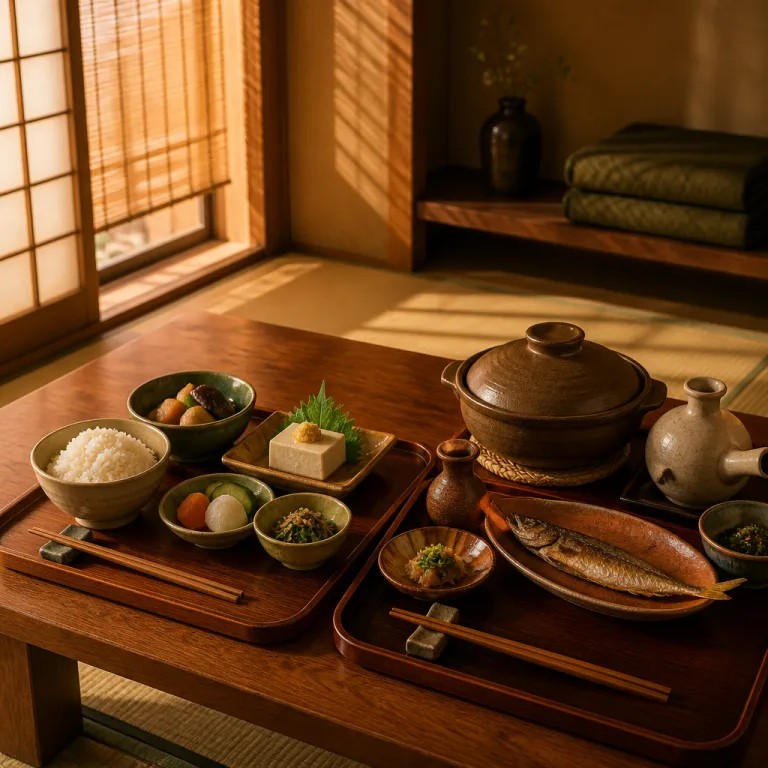
How ryokan dining really works for vegetarian and vegan guests
Ryokan dining is built around a fixed seasonal kaiseki dinner rather than a menu you choose from. That single structure shapes every conversation about ryokan dietary restrictions for vegetarian guests in Japan, because the chef plans the entire flow of dishes days in advance. For families used to à la carte hotel restaurants, this traditional Japanese omakase style can feel both thrilling and slightly unforgiving.
In a standard Japanese ryokan, the same multi course kaiseki meal reaches every room at roughly the same time. The kitchen may adjust one plate for a guest who cannot eat meat or fish, yet the overall rhythm of the kaiseki dinner usually remains identical to protect the integrity of the ryori sequence. This is why the most important decision happens at time of booking, not when the nakai-san appears at your tatami table with the first tray.
Think of the main SEO question — ryokan dietary restrictions vegetarian Japan — as a planning tool rather than a last minute plea. When you reserve, you are not just choosing a room with or without a private onsen, you are commissioning a specific meal that will be built around your dietary restrictions. The more precise you are about vegetarian, vegan, halal or allergy needs, the more gracefully the kitchen can adapt the traditional Japanese structure without turning your dinner into a plate of side dishes.
Most higher end properties in Kyoto, Hakone and throughout Japan now provide an English language field for dietary restrictions on their booking forms. Some even link to a short ryokan guide that explains how kaiseki works and what meal options are realistic for vegan vegetarian or halal guests. This quiet shift in guest communication reflects a broader trend in experiences in Japan, where international travelers expect clarity and Japanese hosts want to protect both safety and culinary standards.
For families, the stakes feel higher because you are often committing to both dinner and breakfast for everyone in the room. Children who are vegetarian or who avoid eggs and dairy need more than a token salad, and parents want to know that the morning meal will not be built entirely around grilled fish. Understanding the structure of kaiseki ryori and the limits of substitution helps you decide whether a particular Japanese ryokan is the right match for your group.
What most ryokan can adapt: vegetarian, pescatarian and common allergies
Across Japan, the majority of ryokan now handle straightforward vegetarian requests with confidence when they receive clear notice. Internal data from specialist platforms shows that around 80 percent of properties can provide some form of ryokan vegetarian meal when guests flag it early, which aligns with what we see on the ground in Kyoto and other major destinations. The key is to frame your needs in simple English and, where possible, mirror the Japanese vocabulary the kitchen already uses.
For example, if you eat fish but avoid meat, write that you are pescatarian and then add a plain sentence such as “no meat, meat broth or animal products from pork or beef.” Many Japanese ryokan kitchens already prepare alternative kaiseki dinner plates for guests who cannot eat meat fish combinations, so they understand this pattern. When you say “no meat fish at all, vegetarian only,” they will often pivot toward a light shojin ryori inspired menu, especially in temple lodgings or properties with Buddhist roots.
Allergies are usually easier than philosophy. One verified industry summary puts it simply : “Can ryokans accommodate food allergies? Yes, with advance notice.” Shellfish, crab and prawn allergies are now common enough that most standard ryori sequences have backup options ready, and soy or wheat sensitivities can sometimes be managed by swapping sauces. However, because soy sauce in Japan typically contains wheat, strict gluten free guests need to accept that some meal options will be limited or that certain dishes will be served plain.
Breakfast tends to be more flexible than dinner, especially for vegetarian food requests. A typical morning meal might include grilled fish, rice, miso soup and small plates of vegetables, eggs and dairy based items such as yogurt. When you ask for vegetarian vegan or vegetarian kaiseki style breakfasts, many kitchens can remove the fish and add extra tofu, salad or fruit, though the overall format remains recognizably traditional Japanese.
Religious needs such as halal are more nuanced. Some Japanese ryokan can remove obvious pork and alcohol based sauces, yet very few maintain fully halal certified kitchens or separate utensils. If halal is essential, look for temple lodgings or urban properties that advertise halal meal options explicitly, and confirm in English that no alcohol, pork or non halal animal products will be used in your dinner or breakfast.
For guests interested in how beverages interact with these adapted menus, the question of warm versus chilled sake becomes surprisingly relevant. A detailed perspective on premium sake pairings in traditional inns can be found in this analysis of how sake temperature shapes luxury ryokan dining, which helps you choose drinks that flatter lighter vegetarian or pescatarian courses.
What is harder: vegan, strict gluten free and complex combinations
Vegan guests face the sharpest edge of ryokan dietary restrictions in vegetarian friendly Japan, because the cuisine leans heavily on dashi. Traditional dashi is a clear stock made from kombu kelp and katsuobushi bonito flakes, and it underpins miso soup, simmered vegetables and many sauces in both dinner and breakfast. When you ask for vegan or vegetarian vegan meals, the kitchen must either prepare a separate kombu only stock or remove several dishes from the kaiseki dinner entirely.
Some properties, especially those with a shojin ryori heritage, already use plant based dashi for certain courses and can extend that approach. Others will quietly replace a few plates with simple grilled vegetables, salad or fruit, which keeps you safe but dilutes the full kaiseki ryori experience. This is where a detailed ryokan guide or direct email exchange becomes crucial, because you want to know whether you will receive a coherent vegan kaiseki or a sequence of improvised side dishes.
Gluten free requests intersect awkwardly with soy sauce, tempura batter and some seasonings. A number of Japanese ryokan now stock gluten free tamari or can serve sashimi and vegetables with salt and citrus instead of standard soy, yet cross contamination in a compact kitchen is difficult to avoid. If your gluten intolerance is severe, you should treat the stay as a high risk experience and consider whether a Western style hotel restaurant with dedicated gluten free options might be safer.
Complex combinations — for example vegan vegetarian guests who also avoid soy, or halal travelers who require no alcohol while also being gluten free — push most ryokan kitchens beyond their comfort zone. Remember that a kaiseki dinner is not a buffet but a carefully choreographed sequence, and each substitution ripples through the timing and plating. When too many elements must change, the chef may decline the reservation or suggest that you skip dinner and book room only with breakfast adjusted as far as possible.
Families often ask whether children can receive Western style plates while parents enjoy the full Japanese ryori. Many properties in Kyoto and other tourist hubs now offer kids’ meal options such as hamburg steak, fried shrimp or omelets, but these are rarely vegetarian vegan by default. If your children are vegetarian or avoid eggs and dairy, you need to spell this out clearly and ask whether the kitchen can provide rice, vegetables and fruit instead of the standard kids’ set.
For travelers balancing sodium restrictions with vegetarian food needs, it is worth studying how luxury inns handle seasoning in general. A useful reference is this report on refined low sodium sushi experiences at high end Japanese inns, which illustrates how chefs adjust flavor without compromising texture or temperature. The same mindset often applies when they rework broths and sauces for vegan vegetarian or gluten conscious guests.
Timing and communication: what to say at booking, not check in
The single most decisive factor in managing ryokan dietary restrictions for vegetarian guests in Japan is timing. You must communicate everything at time of booking, because the kitchen orders ingredients and designs the kaiseki dinner several days before you arrive. Telling the staff at check in that you are vegan, halal or severely allergic forces them into emergency mode and usually leads to a compromised meal.
When reserving through a luxury booking website, use both the dedicated dietary field and a follow up email in clear English. Start with a short statement such as “We are vegetarian, no meat fish or animal products including dashi,” then list specific allergies or religious needs. If you are flexible — for example, you are a Japan vegetarian who accepts fish based dashi but not visible meat fish — say so, because that opens more elegant meal options.
Direct reservations with a Japanese ryokan often allow for more nuanced exchanges. Some properties now send a pre arrival questionnaire that asks about allergies, eggs and dairy tolerance, and whether you prefer Western or Japanese breakfast. Others rely on simple phrases, so learning a few words such as shojin ryori, arerugi for allergy and niku nashi for no meat helps the staff translate your needs accurately into kitchen language.
Families should specify the ages of children and whether each child follows the same dietary restrictions. A clear note such as “two adults vegetarian vegan, one child eats meat fish” allows the chef to plan both a full vegetarian kaiseki and a standard kids’ meal without confusion. If you need a crib or extra futon in the room, mention it in the same message so the staff can coordinate housekeeping and meal timing together.
Once you receive a reply, read it carefully and look for concrete statements about what the ryokan can and cannot do. Phrases like “we will do our best” without details usually mean the kitchen is not fully comfortable with vegan or halal requests, while specific mentions of shojin ryori or vegetarian kaiseki indicate real experience. If the answer feels vague, ask politely whether they have hosted vegetarian vegan or halal guests before and what kind of meal options those travelers received.
Remember that communication is a two way act of omotenashi. The more transparent you are about your needs and your flexibility, the more likely the staff will be to go beyond the minimum and craft a thoughtful adaptation of traditional Japanese ryori. That might mean an extra vegetable course at dinner, a customized breakfast tray or a small evening snack delivered to your room after you return from the onsen.
How menu changes affect the kaiseki and onsen experience
Adjusting a kaiseki dinner for dietary restrictions is not just a matter of swapping ingredients. Each course in a traditional Japanese meal expresses a season, a cooking method and a balance of colors, and removing meat fish or dashi can disturb that architecture. Skilled chefs respond by redesigning the sequence for vegetarian or vegan guests rather than simply deleting problematic elements.
When a kitchen modifies a single course — for example, replacing wagyu beef with grilled seasonal vegetables — the flow of the meal remains intact. You still experience the contrast between raw, simmered and grilled dishes, and the timing between courses matches what other guests receive. This kind of targeted change is common for pescatarians, Japan vegetarian travelers who accept fish based dashi or guests who avoid only one category of animal products.
Replacing entire sections of the menu is more disruptive. If you request strict vegan shojin ryori in a ryokan that usually serves seafood heavy kaiseki, the chef may need to rebuild half the meal from scratch. The result can be beautiful — think lacquer trays of mountain vegetables, tofu and sesame rich sauces — but it requires a kitchen that understands both shojin traditions and modern expectations around vegan vegetarian dining.
The onsen rhythm also interacts with dining. Many Japanese ryokan schedule dinner around your soak, expecting you to bathe in the communal baths or private onsen before the meal so that staff can lay out futons while you eat. When your kaiseki dinner has been customized, the timing becomes even more precise, because the kitchen must synchronize special plates with the standard service for other rooms.
Guests curious about how hot spring bathing shapes appetite and perception of flavor will appreciate a deeper dive into the science. This feature on how summer onsen affects the body explains why a long soak can heighten sensitivity to salt and umami, which matters when dashi or soy based sauces have been adjusted for your dietary restrictions. Understanding that interplay helps you decide whether to bathe before or after dinner, especially if you are managing low blood pressure or traveling with children.
In the room, the experience also shifts subtly when you follow a vegetarian or vegan path. The absence of grilled fish aromas in the morning, the sight of extra vegetable dishes on your breakfast tray, the knowledge that your meal options were planned specifically for your family — all of this reinforces a sense of being seen rather than accommodated. That is the difference between a costume version of omotenashi and the real thing.
Choosing the right ryokan for your dietary needs
Selecting a ryokan when you have dietary restrictions is less about star ratings and more about kitchen philosophy. Some traditional Japanese inns view kaiseki as an untouchable art form and will only make minimal changes, while others embrace shojin ryori, vegetarian kaiseki and even fully vegan menus as part of their identity. Your task is to read between the lines of websites and booking platforms to understand which category a property belongs to.
Start with location and style. Temple lodgings in Kyoto, Koyasan and other historic centers often specialize in shojin ryori, making them natural choices for vegan vegetarian or strict Japan vegetarian travelers. Coastal ryokan that celebrate seafood may be better suited to pescatarians or guests who are comfortable with dashi but avoid red meat and poultry, because their standard ryori leans heavily on fish.
Next, study the language used around meals. Properties that mention vegetarian food, vegan options or halal friendly menus in clear English are usually more experienced with international guests. When you see phrases like “we can prepare shojin ryori on request” or “vegetarian kaiseki available with advance reservation,” you know the kitchen has thought through substitutions rather than improvising at the last minute.
Room type can also influence your comfort. Families who value privacy around meals may prefer suites with in room dining, where the kaiseki dinner is served on low tables in your own space rather than in a shared hall. If you are managing complex dietary restrictions, this arrangement allows you to ask quiet questions, pace the meal for children and retreat to futons quickly if anyone feels overwhelmed.
Finally, consider how many nights you will stay. A single night with a customized dinner and breakfast is usually manageable for most kitchens, but two or three nights of fully vegan or halal meals require deeper menu planning. When you book multiple nights, ask whether the chef can vary the meal options so that your vegetarian vegan or halal dishes do not repeat exactly, and be realistic about the workload this creates.
Luxury and premium booking platforms dedicated to Japanese ryokan now act as informal ryokan guides for guests with dietary restrictions. They aggregate data on which properties regularly host vegetarian, vegan or halal travelers and which still struggle with anything beyond basic allergies. Using those tools, combined with direct communication and a clear sense of your own flexibility, you can align your expectations with the right kitchen and let the onsen, tatami and seasonal ryori do the rest.
Key statistics on dietary accommodations in Japanese ryokan
- Around 80 percent of surveyed ryokan in Japan report that they can accommodate vegetarian diets when informed in advance, according to Ryokan Finder Japan, which reflects the growing normalization of meat free kaiseki adaptations.
- Approximately 60 percent of properties say they can provide vegan meals with prior notice, yet many of these rely on partial adjustments rather than fully traditional shojin ryori menus, so guests should still confirm the use of dashi and other animal products.
- Only about 50 percent of ryokan indicate that they can offer gluten free options, and even within this group, the presence of wheat based soy sauce and shared fryers means that strict gluten free travelers must discuss cross contamination risks carefully.
- Industry surveys show that stays typically last one to two nights, which concentrates the impact of any miscommunication about dietary restrictions into a single kaiseki dinner and breakfast rather than a long series of meals.
- Guest communication tools have evolved, with more ryokan adding online dietary preference forms to their booking systems, a change that has directly increased both the number and the sophistication of vegetarian and vegan meal requests.
FAQ: dietary restrictions at Japanese ryokan
Can ryokan accommodate food allergies safely ?
Most ryokan can handle common allergies such as shellfish, crab or certain nuts when they receive clear notice at the time of booking. As one verified industry answer states, “Can ryokans accommodate food allergies? Yes, with advance notice.” Guests with severe or multiple allergies should still discuss cross contamination risks directly with the property and consider whether the compact nature of traditional kitchens matches their comfort level.
Is it common for ryokan to offer vegetarian meals ?
Vegetarian meals are now widely available, especially in regions with strong tourism such as Kyoto, Hakone and Kanazawa. Industry data confirms that many properties can provide meat free kaiseki when guests request it early, and one summary notes, “Is it common for ryokans to offer vegetarian meals? Yes, many do with prior request.” The quality of these meals varies, so travelers should ask whether the kitchen offers structured vegetarian kaiseki or simply removes meat and fish from the standard menu.
Do ryokan provide vegan options ?
Vegan options exist but remain more challenging than vegetarian meals because of the central role of dashi and other animal products in Japanese cuisine. Some ryokan, particularly temple lodgings and properties with shojin ryori traditions, can prepare fully plant based menus when informed well in advance. Others may only be able to remove obvious meat and fish, so strict vegans should confirm details about stock, sauces and desserts before committing to a half board stay.
Can ryokan serve gluten free meals ?
Some ryokan can provide gluten free options, but this is less common and more complex than handling basic allergies or vegetarian requests. A verified industry answer summarizes the situation clearly : “Do ryokans provide gluten-free options? Some can, but it's less common.” Because soy sauce and many seasonings contain wheat, guests with celiac disease or severe gluten intolerance should discuss specific dishes, alternative sauces and kitchen practices directly with the property.
When should I tell the ryokan about my dietary restrictions ?
You should always share your dietary restrictions at the time of booking, not at check in. The kitchen designs the kaiseki dinner and orders ingredients in advance, so last minute changes are difficult and often lead to reduced meal options. Clear, early communication in simple English — ideally supported by key Japanese terms such as shojin ryori and arerugi — gives the chef the best chance to create a safe and satisfying experience.