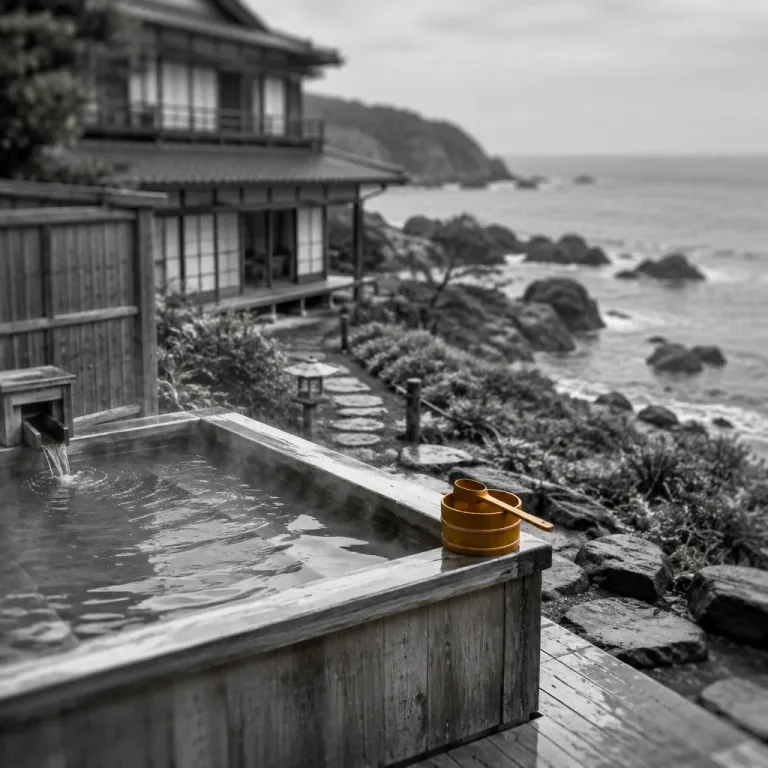
Why the Sanin coast ryokan scene feels different from mainstream Japan
The stretch of Sanin coast ryokan tottori shimane sits on the quiet side of Honshu, facing the Sea of Japan rather than the Pacific. This San region feels like a parallel version of the country where visitors still find empty beaches, unhurried onsen towns and ryokans that cater more to regulars from the prefecture than to social media. For a solo traveler used to the intensity of Tokyo or Osaka, arriving in this land between sea and mountains feels like stepping into a slower, more traditional Japanese rhythm.
Geographically, the Sanin coast runs along Tottori Prefecture and Shimane Prefecture, with the sea on one side and low ranges rising toward Mount Daisen and the Chūgoku mountains. The coastline is deeply indented, with fishing ports, small city hubs like Tottori city and Matsue city, and onsen districts that have grown up where hot springs meet the shore. When you book a ryokan tottori or a stay in one of the ryokans in Shimane, you are not just choosing a room ; you are choosing a specific relationship between land and sea that shapes the food, the baths and even the local myths.
Luxury here is quieter than in a modern ryokan near Tokyo or Kyoto, and the best properties lean into traditional Japanese aesthetics rather than theatrical design. You soak in an open air bath while fishing boats move across the Sea of Japan, then eat kaiseki that reflects what came off those boats that morning. For travelers who have already stayed in polished onsen resorts like those in Hakone or Atami, the San coast ryokan experience feels less curated and more lived in, which is precisely its appeal.
Onsen towns of Tottori and Shimane: where to base your stay
Choosing the right base along the Sanin coast ryokan tottori shimane corridor matters more than in denser parts of Japan, because trains are slower and buses infrequent. In Tottori Prefecture, Kaike Onsen spreads along a broad curve of coast where ryokans line the seawall, offering rooms that look straight out to the Sea of Japan and down to the land sea boundary where waves break almost at your futon. Further inland, Misasa Onsen sits in the mountains near Mount Daisen, but many visitors pair a night there with a night at a seaside ryokan tottori property in Kaike Onsen to experience both faces of the region.
Across the prefectural border, Tamatsukuri Onsen in Shimane Prefecture has been known for centuries for its skin softening alkaline waters, and the town still feels like a compact Edo period spa village wrapped around a slow river. Here, traditional Japanese inns cluster close to the shrine dedicated to hot spring deities, and a few modern ryokan options add larger rooms and more contemporary art while keeping the same focus on bathing. From Tamatsukuri Onsen, Matsue city is a short ride away, with its original Matsue Castle, a small but atmospheric samurai district and views across the brackish lakes that open toward the sea.
Travelers who like to mix coastal air with hot spring culture often split their time between Kaike Onsen and Tamatsukuri Onsen, using local trains and buses that trace the San coast between Tottori and Shimane. This pattern mirrors how Japanese guests from cities like Osaka or Hiroshima structure long weekends, and it gives you two very different ryokan environments without long transfers. If you are comparing these stays with more famous onsen destinations, it is worth reading a refined onsen guide such as this elegant guide to choosing an Atami ryokan, then applying the same criteria to Sanin ; you will quickly see how much more space and calm your budget buys here.
Kaiseki on the Japan Sea: what you actually eat in Sanin ryokans
Food is where the Sanin coast ryokan tottori shimane experience quietly outperforms many better known regions of Japan, especially for travelers who care about seafood. The Sea of Japan is cold and nutrient rich, and the fishing ports along this coast land snow crab, squid, rockfish and sweet shrimp that define local kaiseki menus. In winter, matsuba crab from Tottori Prefecture and Shimane Prefecture is the headline ingredient, while in summer the focus shifts to translucent white squid, grilled nodoguro and vegetables from the inland san region.
In a classic ryokan tottori dinner, you might start with sashimi of local fish, followed by a hot pot where crab legs simmer with tofu and mountain greens, then grilled cuts of wagyu from the foothills of Mount Daisen. Many ryokans still serve recipes that trace back to the Edo period, when this region supplied seafood and rice to inland domains, and the plating often reflects Japanese art traditions with seasonal motifs painted on ceramics. In Shimane, especially around Matsue city and Izumo, sake pairings are serious, drawing on breweries that once supplied merchants linked to the Iwami Ginzan silver trade and the wider Sea of Japan shipping routes.
Modern ryokan kitchens on the San coast are more flexible than their reputation suggests, and solo visitors can usually request lighter kaiseki or adjustments for dietary needs if they communicate in advance. The key is to understand that dinner is not an add on but the central performance of your stay, and that the price of a room almost always includes two elaborate meals. For travelers interested in how regional foodways intersect with onsen culture across the country, it is useful to read analyses of expansion focused brands such as this piece on what Hoshino’s expansion tells us about onsen ryokan, then contrast that model with the more independent, family run ryokans that dominate Tottori and Shimane.
Myth, shrines and silver: the cultural layer beneath the hot springs
Part of what makes the Sanin coast ryokan tottori shimane arc compelling for repeat visitors is the density of myth and history woven into its quiet towns. Shimane Prefecture is home to Izumo Taisha, one of the most important Shinto shrines in Japan, and many Japanese people still refer to this area simply as Izumo, using the old provincial name. Staying in a ryokan near Izumo Taisha or in nearby Matsue city lets you pair hot spring routines with early morning shrine visits, when priests sweep gravel paths and the air smells of cedar and sea salt.
Izumo Taisha is associated with the gathering of the kami, or deities, and the shrine grounds feel expansive, with enormous shimenawa straw ropes and long approaches lined with pines that hint at the land sea connection that defines this region. From here, it is a short journey to the Iwami Ginzan area, where the remains of the Ginzan silver mines sit in a forested valley that once powered a significant part of Japan’s early modern economy. Walking the old roads between Iwami Ginzan and the coast, then returning to a traditional Japanese inn with an onsen bath, gives a tangible sense of how merchants, miners and sailors once moved through the san region.
On the Tottori side, cultural stops are quieter but no less rewarding, with Tottori city offering a compact castle ruin, a small but thoughtful museum of local art and easy access to the dunes that have become the prefecture’s unlikely icon. Many ryokans can arrange transfers or provide maps for self guided excursions to shrines, castle sites and observation deck viewpoints along the Sea of Japan. This is not a region of headline attractions, but for travelers who enjoy layering meaning onto their stays, the combination of shrine rituals, Edo period trade routes and onsen routines is unusually rich.
Access, logistics and how to actually move along the Sanin coast
Reaching the Sanin coast ryokan tottori shimane corridor requires more planning than a simple shinkansen hop, which is one reason this region remains under the radar for many visitors. From Tokyo, the most efficient route is usually a domestic flight to either Tottori or Izumo airports, followed by a short train or bus ride to your chosen city or onsen town. Travelers already in Kansai can take limited express trains from Osaka to Tottori city or to Matsue city, tracing the San coast and giving an early sense of the land sea landscape that will frame their stay.
Once you arrive, local trains run along much of the coast, but frequencies are low, and many ryokans sit a short taxi ride from the nearest station, especially in Kaike Onsen and Tamatsukuri Onsen. It pays to choose a modern ryokan or traditional Japanese inn that offers station transfers, particularly if you are traveling solo or arriving after dark when bus services thin out. Renting a car opens up smaller fishing villages, remote shrines and viewpoints where you can look back toward Mount Daisen or out across the Sea of Japan from an observation deck, but winter snow and coastal winds require confident driving.
For travelers used to the dense rail networks of central Japan, the slower pace of Sanin transport can feel like a constraint at first, yet it quickly becomes part of the rhythm of the trip. You plan your day around a handful of train departures, then let the rest of the time be filled with long baths, slow meals and walks along the coast. If you want to compare this looser structure with more concentrated onsen areas, it is worth reading about refined mountain stays such as Gora Satori in Hakone’s onsen heights, then deciding how much infrastructure you actually need for your own version of rest.
Choosing between traditional and modern ryokan styles in Tottori and Shimane
When you search for Sanin coast ryokan tottori shimane options, you will notice a spectrum from deeply traditional Japanese inns to more modern ryokan properties that borrow from resort hotels. In Kaike Onsen and Tamatsukuri Onsen, larger ryokans often have multiple wings, with older tatami rooms in one building and renovated suites with beds and private open air baths in another. Solo visitors who value quiet usually do better in smaller ryokans with fewer tour groups, even if the facilities are simpler and the decor leans toward Showa era nostalgia rather than contemporary design.
In Tottori city and Matsue city, some ryokans function almost like urban inns, with compact rooms and easy access to restaurants, while others sit closer to the sea or rivers, trading convenience for views. Properties that describe themselves as a modern ryokan typically offer Western style bedding, more flexible meal plans and sometimes in room Wi Fi strong enough for remote work, but they still follow the core ryokan pattern of kaiseki dinners and communal baths. Traditional Japanese ryokans, especially those that have been in the same family for generations, may feel more formal, with nakai san staff guiding you through each course and setting out futons while you bathe.
Whichever style you choose, pay attention to how each property frames its relationship to the Sea of Japan, the nearby shrine or castle site and the wider san region. A room facing the coast at Kaike Onsen feels very different from a garden view room near Izumo Taisha, even if both are technically in the same price band. Matching your expectations to the specific setting is the most reliable way to ensure that the omotenashi you experience feels authentic rather than like a costume performance designed for first time visitors.
Sand, mountains and viewpoints: landscapes that shape the Sanin stay
The physical landscapes around the Sanin coast ryokan tottori shimane corridor are unusually varied for such a compact region, and they shape how you move through each day. Near Tottori city, the famous Tottori sand dunes rise up from the coast in sculpted ridges, creating a miniature desert that drops straight into the Sea of Japan. Walking across the dunes at dawn or late afternoon, when the light cuts across the sand and the wind erases footprints, is one of the few moments in Japan where you can feel completely alone in a wide open space.
These dunes are part of a broader system of tottori sand formations that extend along the coast, and several observation deck platforms offer views back toward the city, the sea and the low hills that mark the start of the inland san region. On clear days, you can sometimes see the outline of Mount Daisen from certain points, reminding you how close the mountains sit to the shore. Further west, the coastline of Shimane Prefecture becomes more indented, with small fishing ports, rocky headlands and narrow beaches that feel far removed from the urban rhythms of central Japan.
Many ryokans in both Tottori Prefecture and Shimane Prefecture build their identity around a particular landscape element, whether that is a sea facing open air bath, a garden designed in the style of Edo period stroll gardens or a view toward a shrine forest. When you choose where to stay, think about whether you want to wake to the sound of waves, the quiet of a river or the stillness of a castle moat in Matsue city. The right match between landscape and inn turns a comfortable night into a stay that anchors your memory of this under visited stretch of the Sea of Japan coast.
Key figures for planning a Sanin coast ryokan trip
- Domestic tourism statistics from the Japan Tourism Agency show that Tottori Prefecture and Shimane Prefecture consistently rank among the least visited prefectures by international travelers, receiving under one percent of total foreign arrivals, which explains the relatively uncrowded ryokans along the San coast.
- Data from Tottori Prefecture tourism offices indicate that the Tottori sand dunes area receives several million domestic visitors annually, yet only a small fraction stay overnight in nearby ryokans, meaning room availability remains higher than in coastal resorts near Tokyo or Osaka during peak seasons.
- Regional transport schedules published by JR West show that limited express trains from Osaka to Tottori city or Matsue city take roughly three hours, compared with around two and a half hours from Osaka to more famous onsen areas like Kinosaki, a modest time difference that buys significantly quieter surroundings.
- Heritage listings from UNESCO confirm that the Iwami Ginzan silver mine and its cultural landscape in Shimane Prefecture cover more than four hundred hectares, offering a substantial historical area to explore as a day trip from many Sanin coast ryokan bases.
FAQ about staying in ryokans along the Sanin coast
Is the Sanin coast suitable for a first ryokan experience in Japan ?
The Sanin coast is suitable for a first ryokan stay if you value quiet and are comfortable with slightly more complex logistics than in central regions. Staff in many ryokans in Tottori Prefecture and Shimane Prefecture are used to Japanese guests, but an increasing number can handle basic English and are patient with first timers. If you want a gentler introduction, choose a modern ryokan in Kaike Onsen or Tamatsukuri Onsen, where facilities and signage tend to be more accessible.
How many nights should I spend in Tottori and Shimane for a balanced trip ?
A balanced Sanin itinerary usually involves three to four nights split between Tottori and Shimane, allowing time for both coast and inland excursions. Many travelers spend one night near the Tottori sand dunes or Kaike Onsen, then two nights around Matsue city or Izumo to combine onsen, shrine visits and castle sightseeing. If you have more time, adding a night near Iwami Ginzan or in a mountain onsen town near Mount Daisen deepens the sense of the region.
Do I need a car to enjoy ryokans along the Sanin coast ?
A car is helpful but not essential for a Sanin coast ryokan tottori shimane trip, especially if you focus on main hubs like Tottori city, Matsue city, Kaike Onsen and Tamatsukuri Onsen. Trains and buses connect these points, and many ryokans offer station transfers or can arrange taxis for short hops. Renting a car becomes more valuable if you want to explore smaller fishing villages, remote shrines or observation deck viewpoints along the Sea of Japan.
What is the best season to visit the Sanin coast for onsen and food ?
Winter is ideal if you want peak matsuba crab and the full drama of the Sea of Japan in stormy weather, though snow can affect transport around Mount Daisen and inland areas. Spring and autumn offer milder temperatures, good seafood variety and comfortable walking conditions for exploring dunes, castle sites and the Iwami Ginzan area. Summer brings warmer seas and beach swimming near Kaike Onsen, but humidity is higher, and some visitors prefer shoulder seasons for onsen bathing.
How do Sanin ryokan prices compare with more famous onsen regions ?
Prices for ryokans in Tottori Prefecture and Shimane Prefecture are generally lower than comparable properties in Hakone, Atami or Kyoto, especially when you factor in the quality of kaiseki meals and room size. You can often secure sea facing rooms with two elaborate meals for the price of a smaller room without a view in more famous resorts. This value proposition is one of the strongest arguments for including the San coast in a wider Japan itinerary, particularly for travelers who prioritize onsen and food over shopping or nightlife.