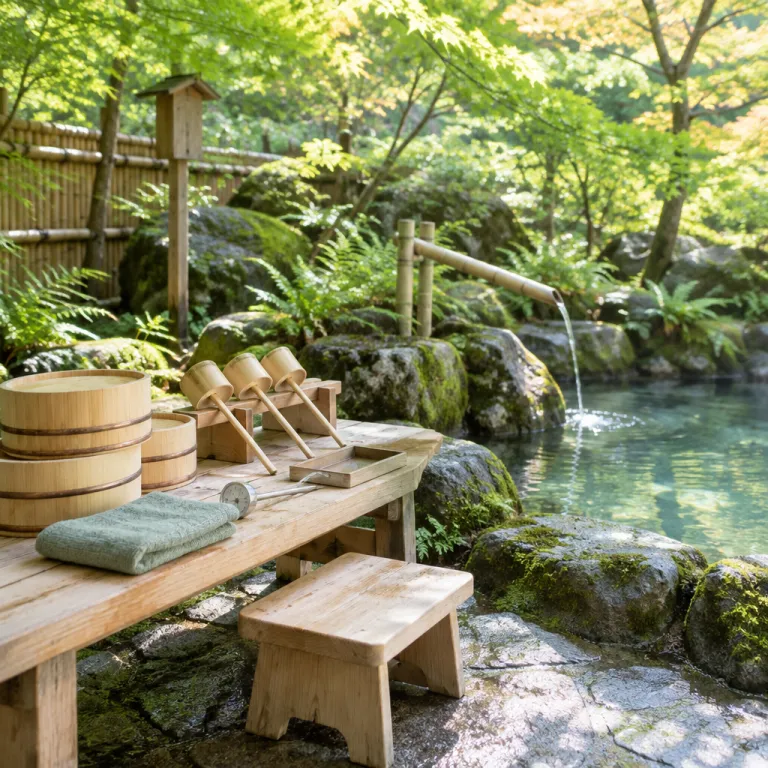
The geography of a perfect koyo bath in autumn Japan
For couples chasing romantic hot spring stays during the autumn foliage season in Japan, geography matters more than marketing. The best mountain ryokan place their open air rotenburo on a cliff edge or river bend, so the steaming onsen water and the red maples share the same frame rather than a concrete wall. When you plan an October or November trip, think first about the valley shape, the slope orientation and the distance between your hot spring pool and the tree line.
In practice, the best time for fall foliage in highland onsen towns comes earlier than in the cities, with color appearing first at altitude and then sliding down the valley. Around 1,000–1,500 meters in Tohoku, leaves often start to turn in the first half of October, then reach foothill villages toward late October, though each year can shift by about a week according to Japan Meteorological Agency forecasts. That means a couple can start in a northern ryokan in early October, then follow the color south through mid and late October without ever missing the peak. This north to south, high to low elevation strategy is the quiet secret behind many repeat guests who time their autumn foliage stays with almost professional precision.
Look closely at listing photos when you search for ryokans in autumn Japan, because the angle of the rotenburo tells you everything. A gorge facing onsen with no railing in the sightline will frame the fall foliage like a private cinema, while an indoor hot spring with a small window will flatten the season into background decoration. When in doubt, message the property and ask at what hour the sun hits the trees in peak season, and whether early morning or late afternoon light is better from the bath.
Altitude also shapes how long the color lasts around each ryokan, especially in regions where the season can swing quickly from warm to cold. High mountain towns can move from first color to peak and then to bare branches within a single week, so flexibility around your dates in October and early November is crucial. If you prefer milder air while you soak, consider highland properties that are also strong in the spring season, because their orientation to breezes and shade usually works beautifully for autumn foliage too.
For couples used to urban luxury hotels, the rhythm of a mountain onsen stay is different. You arrive by station transfer in the early afternoon, check in, then soak before kaiseki dinner and again under the stars in the late hour. The most atmospheric ryokans will quietly suggest the exact times when the bath is usually empty and the surrounding foliage is at its most reflective on the water surface.
Chasing the color line north to south: planning by week, not date
Planning an autumn hot spring trip in Japan works best when you think in bands of time rather than fixed days. High altitude areas in the north start to turn in early October, while regions around Tokyo and Hakone usually reach peak color from late October into early November. Kyoto and the Kansai region often hold their best time for fall foliage until mid November and even late November in some sheltered temple valleys.
A practical itinerary for couples might begin in Yamagata or Miyagi, then slide down to Hakone and finally end in Kyoto, using the changing foliage as your compass. For example, you could start with a ryokan near Zao Onsen or Ginzan Onsen around the second week of October, when the air is crisp and the first maples flame above the hot spring pools. From there, move to a Hakone onsen in the last days of October or the first week of November, before finishing in a Kyoto ryokan where the gardens usually glow from mid to late November.
Because peak color is a moving target, booking strategy matters as much as destination choice. Reserve cancellable rates at two or three ryokans along the north–south axis, then watch regional foliage reports from sources such as the Japan National Tourism Organization as early October gives way to mid and late month. When one area clearly approaches peak, you can commit to that stay and release the others without sacrificing the chance to sit in a rotenburo while the autumn leaves burn around you.
Altitude is your ally here, and not only in the colder months. Properties that shine in summer as highland escapes, where elevation replaces air conditioning, often deliver superb autumn views from their outdoor baths as well, because their decks are already oriented toward breezes and ridgelines rather than parking lots; you will find several such highland ryokan profiled in our guide to mountain stays where altitude does the cooling. When you see a listing mention both cool summer nights and strong koyo, that usually signals a hillside position with a clear sightline from the onsen to the forest canopy. For couples, that means you can return in the spring season or during green summer and still feel the same thoughtful relationship between water, air and landscape.
Transport timing also shapes how relaxed your trip feels, especially when you are moving between several ryokans in one journey. Aim to reach each station by early afternoon, allowing at least two hours for transfers and the inevitable pause for a snack or coffee. Typical journeys from Tokyo to major onsen areas take around 2.5–3 hours to Zao or Ginzan (shinkansen plus bus), about 90 minutes to Hakone (train and local line) and roughly 2.5 hours to Kyoto by bullet train. Planning around these windows means you arrive at the inn with enough daylight left to see the foliage, soak in the hot spring before dinner and still have energy for a late night rotenburo under the stars.
Mountain ryokan with true foliage facing rotenburo: Zao, Ginzan, Akiu and Hakone
Some onsen towns are built around the idea of bathing into the landscape, and they come into their own during the peak koyo season. Zao, Ginzan and Akiu in the Tohoku region, along with Hakone closer to Tokyo, all offer ryokans where the outdoor baths are angled directly at the color. The difference between a generic mountain inn and a serious foliage focused property is whether the rotenburo faces the slope or the car park.
In Zao Onsen, many ryokans sit on the hillside above the town, with milky acidic water steaming in the cold air while larch and maple trees turn gold and crimson. Here the best time for fall foliage usually runs from early October into mid month at higher elevations, then into late October lower down, so a two night stay can easily straddle the first and middle phases of the season. When you study photos, look for baths that seem to float above the valley, and cross check with detailed coverage such as our feature on a new design forward ryokan in Zao that explains exactly how the decks are oriented.
Ginzan Onsen, with its riverside wooden facades, is one of the most atmospheric places in Japan for a shoulder season stay. In the first half of October, the hills behind the town start to glow, and the ryokan that place their hot spring terraces upstream enjoy a direct view of the fall foliage without streetlights in the frame. By early November, the color often shifts to the lower slopes, so choosing a property with both riverside and hillside baths gives you more chances to bathe at peak.
Akiu Onsen, closer to Sendai Station, offers a different geometry, with many ryokans perched above a gorge where the river cuts through the rock. Here the autumn foliage tends to peak from late October into early November, and the most rewarding rotenburo are those cantilevered over the ravine, where you can watch leaves drift down to the water at the quietest hour of the evening. Hakone, by contrast, stretches its season from the last days of October through the first half of November and sometimes into mid month, so couples can use it as a flexible anchor at either the start or end of a Tohoku loop.
When comparing these towns, think about your own tolerance for travel time and transfers. Zao and Ginzan require a longer access hour from Tokyo, often combining shinkansen and local bus, while Akiu and Hakone can be reached in fewer hours and with simpler connections from major stations. For many couples, the trade off is clear: one longer journey to a ryokan with a truly exceptional foliage facing rotenburo is worth more than two easier trips to places where the onsen looks inward rather than out to the mountains.
Reading listings like an insider: how to book the right room and bath
For couples using a luxury booking site, the art of securing the right autumn hot spring stay in Japan lies in reading between the lines. Room names, floor plans and even the order of photos reveal whether a ryokan is proud of its foliage facing baths or quietly hiding a compromised view. When a property leads with close ups of food and corridors but shows only one cropped image of the hot spring, assume the rotenburo is either small, enclosed or facing the wrong direction.
Start by checking whether the room category mentions an open air bath with a view of the valley, river or forest, and whether that view is guaranteed or only in some rooms. If the listing specifies that certain suites have a private onsen on the terrace, ask directly whether those terraces face the autumn foliage or the inner courtyard, and at what hour the light is best. Serious ryokans will answer in detail, sometimes advising you to book a slightly lower category room because its bath faces the peak color more directly in late October or early November.
Timing also shapes the feel of your stay, beyond the simple question of when the leaves peak. In Kyoto, for example, many central ryokans see their surrounding gardens reach peak autumn foliage from mid November into late November, while higher suburbs can turn a little earlier, so you should align your booking with the specific district rather than the city name. Hakone’s spread out geography means that early color in one valley can overlap with mid season in another, giving you a wider window to find the best time for your own fall foliage soak.
Use flexible dates where possible, especially for stays in October and November when weather can accelerate or delay the color by a week. If your schedule is fixed, prioritize ryokans at slightly higher altitude, where the season tends to start earlier and last longer, giving you a better chance of catching at least mid season color even if the very first flush has passed. Our curated guide to where to book for peak koyo season focuses on properties where the rotenburo is genuinely oriented toward the trees, not the wall.
Finally, think about the daily rhythm you want as a couple. A property with generous check in windows and late night bathing hours will let you enjoy both the soft morning mist and the deep indigo of the sky after dinner from the onsen, turning a single night into three distinct experiences. When a ryokan aligns its bathing schedule, room orientation and service style with the surrounding autumn foliage, you feel it in the small details, from the way the nakai slides open the terrace door at the exact hour of peak light to the quiet suggestion of a final soak before checkout.
FAQ
What is the best time for autumn foliage onsen stays in Japan?
The best time for autumn foliage onsen stays in Japan depends strongly on region and altitude. High mountain areas in the north often show fall foliage from early October to mid October, while places like Hakone usually peak between late October and early November. Kyoto and other western cities tend to reach their most intense color from mid November into late November, so plan your ryokan bookings accordingly and confirm with current year forecasts from the Japan Meteorological Agency or regional tourism boards.
How many nights should a couple spend at a mountain ryokan?
For a focused autumn foliage trip, two nights at a single mountain ryokan works well for most couples. This allows you to arrive by station in the early afternoon, enjoy multiple onsen sessions and still have time for a short walk or local excursion. If you are chasing the color line north to south, consider two nights each in two different towns rather than many single night stays.
Are private rotenburo worth the extra cost for couples?
Private rotenburo are usually worth the premium for couples who value quiet and flexibility. A room with its own hot spring bath lets you soak at any hour, including late at night or at dawn, without checking communal hours or dress codes. In peak autumn foliage season, a private terrace bath facing the trees can feel like an entirely separate living room carved out of the landscape.
How far in advance should I book for peak autumn foliage weekends?
For popular onsen towns such as Hakone, Zao Onsen or Ginzan Onsen, peak weekends around late October and early November can fill four to six months ahead, especially for rooms with private baths. Weeknights usually offer better availability and often lower rates, while still giving you access to the same foliage views. If you are flexible, aim for Sunday to Tuesday stays and use cancellable rates so you can adjust as foliage reports become clearer.
What should I look for in photos to confirm a foliage facing bath?
When reviewing photos, check whether the camera is placed at bath level and aimed outward toward a slope, river or forest, with minimal railings or walls in the frame. If most images show the onsen from above or from the corridor, the view may be compromised or partially blocked. Listings that highlight the bath at different times of day, especially during autumn, are more likely to offer a genuine foliage facing rotenburo.
References
Japan National Tourism Organization (JNTO); Japan Meteorological Agency; Kanko Map Japan Autumn Foliage Guide.