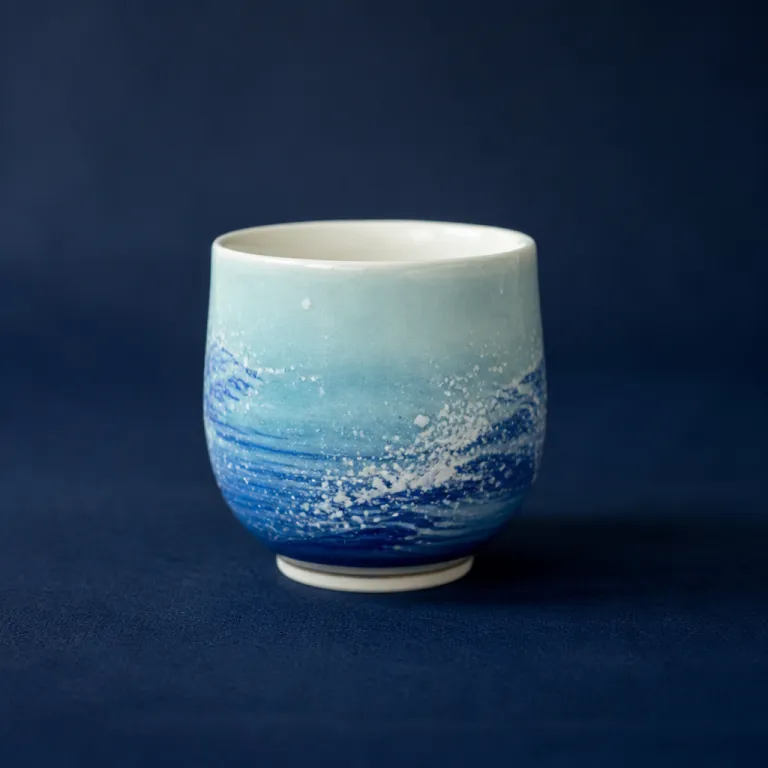
From Ozu Domain vision to today’s tobe ware ateliers
In the hills of Tobe Town in Ehime Prefecture, porcelain changed the fate of a rural community. When Katō Yasutoki, the ninth lord of the Ōzu Domain, initiated Tobe ware production during the Edo period in 1777, he aimed to build a sustainable local industry rather than a passing trend. That decision still shapes how luxury ryokan in the region curate every bowl, tray, and cup you touch, as confirmed in local histories preserved by the Tobe Pottery Traditional Industry Hall.
Tobe ware is a form of traditional Japanese porcelain, known for its thick white body and deep indigo patterns that feel reassuringly solid in the hand. Officially recognized as a traditional craft of Japan by the Ministry of Economy, Trade and Industry (METI), this porcelain grew from the period Tobe first fired its kilns, using local stone and clay to create durable yaki ware that could withstand daily use in farmhouses and samurai residences. Today, many premium inns in Ehime Prefecture commission custom Tobe porcelain so that their tableware, tea sets, and soba choko cups quietly tell the story of the land around you.
The town of Tobe now hosts around 80 active kilns, a remarkable density for such a compact area, according to figures published by the town’s tourism and industry offices and echoed in exhibits at the Tobe Pottery Museum. Each kiln balances respect for traditional crafts with subtle innovation, from classic blue brushwork to minimalist modern lines that still read as unmistakably Japanese. When you book a high end ryokan here, such as Dogo Onsen’s Yamatoya Honten or Funaya, you are not only reserving a room but also entering a living gallery of folk art, where every piece of ware ceramic has passed through the hands of a ceramic artist who understands both heritage and hospitality.
Meeting the artisans behind your traditional japanese inn
Many luxury and premium ryokan in Ehime Prefecture now design guest experiences that bring you face to face with the people who shape their aesthetic. A short transfer from Matsuyama or Dōgo Onsen can take you directly to a Tobe pottery studio, where you watch a ceramic artist at the potter wheel coax a simple lump of clay into a future rice bowl or sake cup. These encounters turn anonymous ceramics into personal works, and they deepen your connection to the inn that chose them.
Some properties arrange private visits to long established Tobe pottery families, where several generations share how their craft evolved from Edo period patterns to contemporary forms. You may see tools blackened by decades of use, shelves lined with experimental yaki ware glazes, and stacks of both porcelain and stoneware waiting for the next firing. At workshops such as Baigetsu Kiln or Tobe-yaki Tōgeikan, potters often describe how they adapt classic motifs for modern dining while keeping firing temperatures and clay blends close to those used by their grandparents.
For travelers who want to understand how Japanese craftsmanship shapes every detail of a stay, guides on meeting the artisans behind your stay offer a useful framework. They explain why a single ware tobe tea cup can carry as much meaning as an entire suite’s interior design. When you later return to your room and cradle a tobe ware bowl of steaming Japanese rice, you will remember the hands that formed it and the kiln that gave it strength.
How tobe ware shapes the sensory experience of a luxury ryokan
In a refined ryokan, tobe ware is never just tableware; it is part of the choreography of hospitality. The weight of a tobe porcelain tea cup, the cool rim of a soba choko used for dipping noodles, and the smooth glaze of a small bowl for seasonal pickles all influence how you perceive flavor and care. When every piece of ware ceramic has been chosen from local Tobe yaki workshops, the meal becomes a dialogue between chef, ceramic artist, and guest.
Many inns commission custom yaki ware sets that echo the surrounding landscape, such as indigo brushstrokes suggesting the Seto Inland Sea or abstract motifs inspired by bamboo groves and cedar wood forests. Breakfast trays might pair tobe pottery rice bowls with lacquerware soup vessels, woven bamboo baskets, and textiles dyed in muted natural tones, creating a layered composition that feels both traditional and quietly contemporary. This harmony of materials extends to the tokonoma alcove, where a single vase or incense holder from a respected Tobe workshop can anchor the entire room.
If you are curious how ceramics tell regional stories, resources on how a ryokan’s ceramics express place explain the logic behind these choices. They show why a simple tobe ware plate for Japanese rice can say “Ehime Prefecture” more clearly than any brochure. When you pay attention to these details during your stay, you begin to read the inn through its pottery, textiles, and carefully selected tools.
Materials, tools, and motifs that define tobe yaki and ryokan aesthetics
The character of tobe yaki comes from a specific combination of local materials and time tested techniques. Artisans use regional stone and clay, shaped on the potter wheel and fired in kilns that have evolved from Edo period technology yet still rely on the same fundamental principles. This process yields porcelain that feels thicker than many other Japanese ceramics, giving each piece of ware a reassuring solidity that suits both everyday use and refined kaiseki dining.
Traditional Japanese motifs appear frequently on tobe pottery, from stylized plum blossoms and grasses to geometric patterns that frame the pure white ground. These designs are often painted in cobalt blue, a nod to the early period Tobe emphasis on blue and white porcelain that helped distinguish the town from other production centers. In luxury ryokan, such motifs might be echoed in textiles, Japanese paper screens, and even carved wood details, creating a subtle visual rhythm across the room.
Beyond porcelain, many inns integrate other traditional crafts to complement their tobe ware collections. You may see bamboo baskets holding seasonal fruit, lacquerware trays supporting tea sets, and shoji made from fine Japanese paper that filters the light over your private open air bath. When these elements are curated with intention, the result is a cohesive environment where every craft, from yaki ware to hand planed wood, contributes to a calm yet richly textured atmosphere.
Pricing, value, and how to shop for tobe pottery during your stay
Travelers often ask how the price of tobe ware compares with other Japanese ceramics they encounter in Kyoto or Tokyo. In Tobe Town itself, you will find a wide range, from accessible pieces at a regular price suitable for daily use to museum quality works by renowned ceramic artists whose bowls and plates command higher figures. As a rough guide, small everyday items such as rice bowls or soba choko cups might start around ¥1,500–¥3,000, while larger serving dishes or signed works by established potters can reach tens of thousands of yen or more. Luxury ryokan sometimes negotiate special collections for guests, allowing you to purchase the exact ware ceramic you used at breakfast or dinner.
When evaluating value, consider not only the visible decoration but also the density of the porcelain, the balance in the hand, and the reputation of the kiln. A simple white tobe porcelain rice bowl with perfect proportions may age more gracefully than a heavily patterned piece that feels awkward to hold. Staff at high end inns are usually well informed about local traditional crafts and can explain which workshops specialize in yaki ware for daily tableware, which focus on experimental works, and which maintain classic Edo period inspired lines.
Many travelers enjoy visiting the Tobe Pottery Traditional Industry Hall and the Tobe Pottery Museum before shopping, as these institutions provide context on how the craft developed and how period Tobe styles differ from contemporary interpretations. Exhibits there answer questions such as “What is Tobe ware?” and “When did Tobe ware production start?” and “What are the characteristics of Tobe ware?” in a clear, visual way that complements what you see at your ryokan. After understanding this background, you will be better prepared to judge whether a particular soba choko, serving bowl, or sake cup offers the right balance of craftsmanship, durability, and price for your home.
Omotenashi, artisans, and planning a ryokan stay around tobe ware
Thoughtful Japanese hospitality, or omotenashi, often reveals itself in the smallest details of a stay. When a nakai attendant remembers how you like your Japanese rice served and chooses a specific tobe ware bowl that fits your hand, you feel a level of care that goes beyond scripted service. Guides on what omotenashi really looks like show how these gestures, combined with meaningful crafts, define the character of a traditional Japanese inn.
To plan a trip that foregrounds craft, look for ryokan in Ehime Prefecture that highlight partnerships with Tobe Town artisans and mention traditional craft experiences in their descriptions. Some properties offer hands on sessions where you can try the potter wheel under the guidance of a ceramic artist, shaping a small piece of ware to be glazed and shipped later, while others arrange studio tours focused on observing tools, kilns, and finished works. When booking through a luxury and premium platform, use filters and notes to request rooms that feature local textiles, Japanese paper accents, and visible tobe pottery, so your accommodation becomes part of your cultural itinerary.
Beyond ceramics, consider how other materials such as bamboo, lacquerware, and carved wood contribute to the overall sense of place in each inn. A corridor lined with folk art, a lounge displaying period Tobe yaki ware, and a tearoom furnished with low tables and cushions upholstered in regional textiles all reinforce the narrative started by that first porcelain tea cup. By aligning your booking choices with these details, you turn a simple overnight stay into an immersive encounter with the crafts, people, and landscapes that define this corner of Shikoku.
Key figures and facts about tobe ware and ryokan craftsmanship
- Tobe Town in Ehime Prefecture currently supports around 80 active kilns, making it one of Japan’s most concentrated areas for porcelain production and ensuring a rich variety of styles for nearby ryokan. This figure is regularly cited by local government and tourism sources and appears in materials at the Tobe Pottery Traditional Industry Hall.
- Tobe ware production began in 1777 during the Edo period under the guidance of Katō Yasutoki, which means the craft has been refined over more than two centuries of continuous practice, as documented in regional historical records and museum displays.
- Tobe ware has been officially designated as a traditional craft of Japan by METI, a status that helps protect artisanal skills and supports collaboration between ceramic artists and high end hospitality properties.
- Luxury ryokan in and around Matsuyama often source a significant portion of their tableware from Tobe workshops, so a single multi course kaiseki dinner can involve dozens of individual pieces of local yaki ware.
FAQ about tobe ware and luxury traditional japanese inns
What is Tobe ware and why is it important for ryokan stays ?
Tobe ware is a style of traditional Japanese porcelain produced in Tobe Town in Ehime Prefecture, characterized by thick white bodies and indigo designs. Its durability and understated beauty make it ideal for daily use in ryokan, where it enhances both the visual presentation and tactile feel of each meal. When an inn chooses tobe pottery from local kilns, it anchors the guest experience in the region’s history and craft culture.
How can I meet ceramic artists while staying at a luxury ryokan ?
Many premium inns near Tobe collaborate directly with local artisans and can arrange studio visits or workshops on request. You may be able to watch a potter at the wheel, see tools and kilns up close, and learn how yaki ware evolves from raw clay to finished porcelain. It is best to ask your ryokan to organize these experiences in advance, especially during busy travel seasons.
What are the main characteristics of tobe porcelain compared with other japanese ceramics ?
Tobe porcelain is generally thicker and heavier than many other Japanese ceramics, giving it a sturdy feel that suits both home and professional use. The classic style features blue brushwork on a white ground, a legacy of early period Tobe production that focused on blue and white ware. This combination of strength and clarity of design makes it popular with chefs and innkeepers who want tableware that can withstand daily service while remaining visually refined.
Can I buy the same ware I see at my ryokan, and what about price ?
In most cases, yes; many ryokan either sell selected pieces on site or can direct you to the specific Tobe pottery studios that produced their tableware. Prices range from accessible items at a regular price suitable for souvenirs to higher end works by well known ceramic artists, which are priced more like collectible folk art. Asking staff for guidance helps you find pieces that match both your budget and your preferred style.
Besides ceramics, which traditional crafts should I look for in a premium inn ?
Attentive ryokan often integrate multiple traditional crafts, including lacquerware trays, bamboo baskets, handwoven textiles, carved wood furnishings, and shoji made from fine Japanese paper. These elements frame the tobe ware on your table and in your room, creating a cohesive environment that reflects regional culture. When booking, look for descriptions that mention such details, as they signal a deep commitment to craftsmanship and place.
