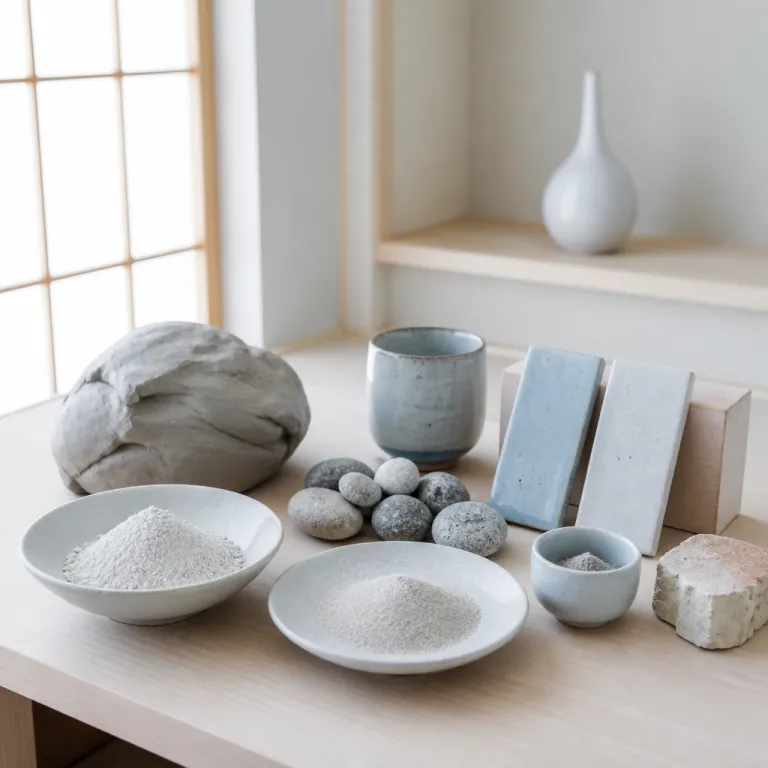
Reading a ryokan through its ceramics and tokonoma
Walk into a quiet Japanese ryokan and the first thing that speaks is not the staff, but the ceramics and the tokonoma. In a well run property in Japan, the recessed alcove, the tatami underfoot, and the first cup of tea form a single editorial line that tells you exactly where you have arrived. When you learn to read this language of clay, glaze, and sacred space, every stay becomes a deeper form of travel.
The main thread here is simple yet rich: the relationship between ryokan interiors, regional ceramics, the tokonoma alcove, and traditional craft in Japan is not a marketing slogan, but a way of understanding how architecture, objects, and service align. In a refined Japanese room, the tokonoma is the key architectural feature, and the flower arrangement, hanging scroll, and small work of art are chosen to echo the local landscape and the season outside the garden. When the same sensibility continues from room tokonoma to tea room and then to the dinner table, guests feel a coherent expression of Japanese culture rather than a themed set.
Think of the tokonoma as the inn’s thesis statement, and the ceramics as its footnotes. A traditional Japanese tatami room with sliding doors, pale plaster walls, and a low lacquer table might hold a single Bizen vase, its earth toned surface recalling the kilns of Okayama and the rough soil of the region. That one piece of art quietly tells you that this Japanese architecture is rooted in a specific place, and that the tea you are about to drink, the kaiseki you will eat, and the daily life of local artisans are all part of the same story.
Regional signatures: from Arita porcelain to Bizen stoneware
Once you start paying attention, the way a ryokan uses ceramics in the tokonoma and at the table becomes a map of the archipelago. In Saga, a Japanese ryokan that takes its culture seriously will often serve tea in Arita porcelain, the blue and white patterns echoing waves, cranes, or abstract clouds. Step into your Japanese room and you may find a small Arita dish in the tokonoma alcove, holding incense or a seasonal sweet, linking the tea ceremony lineage to the region’s porcelain history.
Travel west to Okayama and the mood shifts to Bizen ware, the unglazed stoneware that looks almost geological in its intensity. Bizen pieces are fired in wood kilns where no two bowls are identical, their surfaces marked by ash, flame, and time, which makes them the aesthetic opposite of anonymous hotel tableware. When a ryokan uses Bizen cups in the tea room and a single Bizen vase in the tatami room tokonoma, it is saying that this space is grounded in clay, fire, and a very specific corner of Japan.
Further north in Ishikawa, Kutani ware brings vivid overglaze colors to the table and to the rooms. A Japanese style property in Kanazawa might pair Kutani plates with regional crab and local sake, while the tokonoma holds a lacquer tray and a small Kutani bowl beside a flower arrangement that mirrors the garden outside. Kanazawa’s lacquerware tradition has refined vessels and serving pieces over centuries, and when those pieces appear both in tea rooms and in the main room tokonoma, guests sense a star level of curation that goes far beyond décor.
The tokonoma as sacred space and design manifesto
For many first time visitors, the tokonoma is just a pretty niche in the room. In Japanese architecture, though, this recessed alcove is a sacred space that concentrates art, calligraphy, and sometimes ceramics into a single, quiet statement. One expert definition from architectural glossaries captures it clearly: “What is a tokonoma? A recessed alcove in Japanese rooms for displaying art.”
Historically, the tokonoma evolved from the reception rooms of the Kamakura period, when warriors and monks used a raised platform to display religious scrolls and precious objects, as described in standard histories of Japanese residential design. Over time, this architectural feature migrated into the tatami room of the Japanese ryokan, where it now frames a hanging scroll, a flower arrangement, and often a single piece of pottery or lacquer. The influence of tea master Sen no Rikyū, documented in classical tea ceremony texts, is still visible in the restraint of these compositions, which avoid clutter and instead use negative space to heighten awareness.
In a thoughtful ryokan, the room tokonoma is never random decoration. The scroll might reference the current season, while the ceramics echo local craft traditions and the garden just beyond the sliding doors, creating a dialogue between interior and exterior space. When the same aesthetic appears in the tea room and in the ceramics used for kaiseki, guests experience a continuous thread of Japanese culture that turns a night’s stay into a lesson in regional art.
From tokonoma to table: how vessels shape the meal
The most revealing test of a property’s approach to ceramics and craft happens at dinner. If the bowl that held your welcome tea in the Japanese room shares a glaze, clay body, or motif with the dishes at the kaiseki table, you are in a property where design decisions are deliberate. The journey from tatami room to dining space should feel like moving through chapters of the same book, not flipping between unrelated magazines.
High level Japanese ryokan often commission sets of plates, bowls, and sake cups from local artisans whose studios sit within a few kilometres of the inn. In Hagi, for example, pale, almost porous Hagi ware with its tea ceremony lineage might appear first in the tea room, then reappear as a small bowl for sashimi, and finally as a sake cup that warms in your hand over time. During one kiln visit in Yamaguchi Prefecture, a Hagi potter described this continuity simply: “If a guest recognizes the same clay from welcome tea to last sip of sake, they remember the place with their whole body.” This continuity between tea rooms, guest rooms, and dining rooms signals that the property understands both Japanese culture and the expectations of guests who value authenticity.
Look closely at how the table echoes the tokonoma alcove. A scroll with a mountain poem in your tatami room might be mirrored by a plate whose glaze recalls distant peaks, while a simple work of art in the alcove is answered by a sculptural dessert dish. When architecture, ceramics, and service align like this, the tea ceremony principles of balance, respect, and attention to daily life quietly infuse every course, turning the meal into a form of moving meditation rather than a checklist of dishes.
Modern interpretations and meeting the artisans
Not every Japanese ryokan leans on heirloom collections; many of the most interesting properties now collaborate directly with young ceramicists. The current trend in ryokan design is toward blending traditional techniques with contemporary forms, using local clay and glazes but experimenting with silhouette and texture. This is where the ongoing revival of traditional ceramic techniques meets the realities of modern travel and design.
Some inns work with local ceramic studios and cultural organizations to curate rotating exhibitions in guest rooms and tea rooms, turning each tatami room into a small gallery. Newer properties, such as design forward houses in onsen towns, often use the tokonoma as a stage for bold pieces that still respect the sacred space, pairing them with sliding doors, low furniture, and architecture that references the Kamakura period without copying it. A project like KAI Kusatsu in Gunma Prefecture, whose interiors are explicitly inspired by the region’s silk heritage according to its own design notes, shows how contemporary architecture can weave local craft into every room, from the tea room to the main bath corridor.
For travelers who want to go beyond passive appreciation, meeting the artisans behind the work of art on the table is increasingly possible. Many ryokan now organize visits to nearby kilns, where guests can see traditional kilns, talk with local artisans, and understand how Japanese culture, climate, and soil shape each piece. When you later see those same ceramics in the tokonoma alcove or under a star filled sky in an open air bath, the connection between place, object, and experience becomes unmistakable.
How to evaluate a ryokan through its ceramics when booking
When you browse a booking site, the photos of rooms and tables already tell you how seriously a property takes its ceramics, tokonoma, and broader craft culture. Look for images where the Japanese room shows a clear tokonoma with a considered flower arrangement, a scroll, and a single ceramic piece rather than clutter. If the tea room and dining space repeat the same regional style, you are likely looking at a house that values coherence over trend and offers the kind of authenticity many travelers now search for when they ask how to spot an authentic ryokan.
Pay attention to the language used in descriptions of architecture and culture. Phrases like traditional Japanese tatami room, Japanese architecture with sliding doors, or references to specific wares such as Arita, Bizen, Kutani, Mashiko, or Hagi indicate that the inn is proud of its local identity. Cross check this with independent guides such as the curated Kyoto and onsen property reviews on JapaneseInnStay’s Kyoto ryokan and onsen selection, where room level details and tea ceremony references usually signal a higher standard of curation.
Once you arrive, your role as a guest is to notice and respond. In Japanese culture, it is polite to comment on the ceramics in your tatami room or tea room, perhaps asking whether a particular bowl is local or whether the work of art in the tokonoma alcove comes from a nearby kiln. Such questions acknowledge the daily life and effort of local artisans, deepen your understanding of the sacred space you are occupying, and often open doors to recommendations for galleries, gardens, or workshops that you would never find on a generic travel map.
Bathing, browsing, and bringing the story home
One of the quiet pleasures of paying attention to ceramics and tokonoma culture in Japan is how often bathing and browsing go hand in hand. Many onsen towns grew up around kilns, and it is still common to find pottery districts within walking distance of a Japanese ryokan. A morning soak followed by an unhurried walk through small galleries and studios turns travel into a conversation between water, clay, and time.
Because ceramics are integral to Japanese culture, many inns now sell pieces that match the vessels used in their tea rooms and dining rooms. The answer to a common question is simple and practical: “Can guests purchase ceramics at ryokan? Many ryokan offer ceramics for sale.” When you bring home a cup that once held your welcome tea or a plate that framed a memorable course, you are not just buying an object, but a fragment of architecture, service, and landscape.
For solo travelers especially, these objects become anchors in daily life back home. A small Bizen cup on your kitchen shelf can recall a tatami room with sliding doors opening onto a mossy garden, while a Kutani dish might evoke a star bright night in Ishikawa and the quiet of a tea ceremony. Each time you use them, you step briefly back into that sacred space, and the line between travel and home life softens in the most satisfying way.
Key figures behind ceramics and ryokan culture
- Japan hosts an estimated 50,000 ryokan establishments, according to figures cited by the Japan Ryokan & Hotel Association and summarized in tourism white papers, which means an extraordinary diversity of regional ceramics and architectural styles for guests to experience across the country.
- Approximately 15,000,000 people stay in ryokan annually, based on statistics reported by the Japan Tourism Agency in its accommodation surveys, creating strong potential impact for preserving traditional crafts and promoting local culture through everyday objects like tea cups and serving dishes.
- Many cultural programs now run year round, using methods such as displaying ceramics in tokonoma, collaborating with local ceramic studios, and integrating traditional kilns into visitor itineraries to enhance cultural tourism.
- National and regional tourism boards increasingly highlight ceramics and Japanese architecture as key draws, reflecting a broader revival of traditional techniques and their incorporation into modern design and hospitality.
FAQ about tokonoma, ceramics, and ryokan stays
What is a tokonoma and why does it matter in a ryokan room?
A tokonoma is a recessed alcove in a Japanese room used to display art, calligraphy, flower arrangements, and sometimes ceramics. In a ryokan, it functions as a sacred space and a design focal point that expresses the property’s aesthetic and cultural identity. The quality and coherence of what appears in the tokonoma often signal how seriously the inn takes traditional Japanese values.
Why are ceramics so important in Japanese ryokan culture?
Ceramics are important because they reflect regional materials, techniques, and history, turning each vessel into a small map of Japan. When a ryokan uses local wares in guest rooms, tea rooms, and dining spaces, it supports nearby artisans and preserves traditional crafts. As one clear statement from cultural tourism guides puts it: “Why are ceramics important in ryokan? They reflect regional culture and enhance authenticity.”
Can I visit ceramic studios or kilns while staying at a ryokan?
In many regions, yes, especially in towns with strong pottery traditions such as Arita, Mashiko, Hagi, or Bizen. Ryokan owners often collaborate with local ceramic studios, cultural organizations, and tourism boards to arrange visits, workshops, or guided walks through kiln districts. Asking the staff about nearby kilns or museums is usually the best way to access these experiences.
How can I tell if a ryokan is genuinely traditional or just themed?
Look for consistency between architecture, ceramics, and service rather than surface level décor. A genuinely traditional Japanese property will have a well considered tokonoma, tatami rooms with appropriate sliding doors, and tableware that matches local craft traditions. When the same regional style appears from tokonoma to table and staff can explain the origin of the pieces, you are likely in a house that values authenticity over costume.
Is it acceptable to comment on or ask about the ceramics during my stay?
Yes, it is not only acceptable but often appreciated, as it shows respect for Japanese culture and the artisans’ work. Asking whether a bowl is local, or whether a piece in the tokonoma alcove comes from a nearby kiln, can lead to rich conversations and recommendations. This kind of curiosity aligns with the spirit of tea ceremony, where attention to each object deepens the experience for both host and guest.