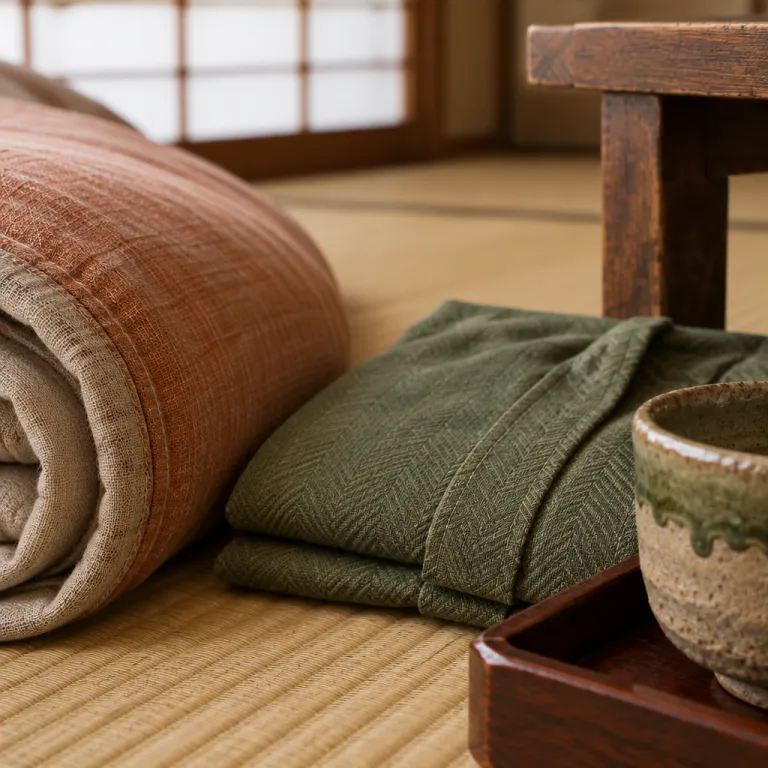
Designing a japan 3 week itinerary around traditional Japanese inns
Planning a japan 3 week itinerary becomes far richer when you anchor each region with a stay in a traditional Japanese inn, or ryokan. Over three weeks Japan reveals distinct rhythms in every city, so using carefully chosen inns as your base lets you slow your pace and feel the country’s quieter rituals. This approach turns a standard japan itinerary into an elegant sequence of cultural immersions, rather than a rushed checklist of sights.
Begin your itinerary Japan in Tokyo, where the contrast between neon towers and wooden townhouses is most striking. Spend at least four days in the capital city, using one or two nights in a refined ryokan style hotel in neighborhoods such as Yanaka or Asakusa to balance the energy of Shinjuku and Shibuya. From these bases you can plan day trips by train to nearby hot spring towns, then return within a ten minute walk from the station to tatami rooms, kaiseki dinners, and quiet gardens.
After Tokyo Kyoto becomes the natural second chapter in any week Japan segment of your journey. A thoughtful japan 3 week itinerary usually allocates five or six days to Kyoto, which allows time for both headline temples and slower experiences such as tea ceremonies or private calligraphy lessons. When you choose a traditional Japanese inn within a ten minute walk of a local train station, you can reach Kiyomizu dera at dawn, then retreat to your room for an afternoon bath before another evening of seasonal Japanese cuisine.
To keep your itinerary three balanced, divide the remaining days between smaller cities and the countryside. Many travelers underestimate how much time train journeys require, so build in lighter days after long transfers between Tokyo Kyoto and the mountain regions. This rhythm ensures that your three weeks do not feel like a race, and it lets each ryokan stay become a restorative pause rather than just another hotel night on a long trip Japan.
Tokyo and surroundings: urban energy, onsen retreats, and refined ryokan stays
Tokyo is the ideal starting point for any japan 3 week itinerary focused on traditional Japanese inns because it combines world class dining with easy access to hot spring regions. Spend your first full day exploring central districts, then move to a quieter area such as Kagurazaka or Yanaka for two or three days in a ryokan style hotel with private onsen baths. This structure lets you experience both the city’s intensity and the restorative calm that defines a classic itinerary Japan.
From Tokyo, day trips by train open up a series of contrasting landscapes within weeks Japan of travel time. You might take a day trip to Hakone for views of Mount Fuji, pairing a lakeside cruise with an afternoon in an onsen before returning to your inn in the city. Another day trip could lead to Nikko National Park, where ornate shrines sit among cedar forests and a stay in a riverside ryokan turns a simple excursion into a highlight of your japan itinerary.
Rainy season travelers often worry about losing days to grey skies, yet this period can be ideal for a week itinerary around hot springs. Many premium inns near Tokyo offer special menus and extended bathing hours during tsuyu, and you can learn more about why Japan’s rainy weeks deliver the best off peak stays in this guide to tsuyu season ryokan experiences. Building such seasonal nuances into your itinerary three ensures that even quieter days feel intentional and luxurious.
When planning your nights in Tokyo, look for traditional Japanese inns that sit within a ten minute walk of a major train station, since this makes early departures for day trips effortless. Over three weeks you may pass through the capital multiple times, so consider splitting your stays between different districts to feel how the city shifts from east to west. Each return to Tokyo becomes a familiar pause in your trip Japan, with your preferred ryokan acting as a cultural anchor rather than just another anonymous hotel.
Kyoto, Osaka, and Kansai: temples, food culture, and intimate inn hospitality
The Kansai region forms the emotional heart of many japan 3 week itinerary plans, especially for travelers drawn to temples and traditional streetscapes. Kyoto deserves at least five days in any itinerary Japan, with two or three nights reserved for a high end ryokan in a quiet district such as Higashiyama or Arashiyama. From these bases you can walk to wooden townhouses, riverside paths, and lantern lit alleys that feel far removed from the modern city.
One morning, reach Kiyomizu dera before the tour buses arrive, then return to your inn for a multi course Japanese breakfast served in your room. Another day might focus on the western hills, where bamboo groves and riverside paths pair beautifully with an evening kaiseki dinner in your hotel. Over three weeks Japan offers many temples, yet the ones you remember most will be those framed by slow walks back to a tatami room, rather than rushed visits between crowded buses.
Osaka sits less than an hour by train from Kyoto, so it fits naturally into a week itinerary segment of your journey. Spend two days in the city to explore Osaka Castle, the neon arcades of Dotonbori, and the refined restaurants of Kitashinchi, then retreat each night to a quieter ryokan either in Osaka or back in Kyoto. If you are unsure whether to book a traditional inn or a modern hot spring resort, this detailed comparison of a ryokan versus an onsen hotel clarifies what separates a classic Japanese inn from a contemporary spa hotel.
For travelers designing an itinerary three that balances culture and cuisine, Kansai is where the japan itinerary often feels most layered. You can plan day trips from Kyoto to Nara’s temple complexes or to Uji’s tea fields, then return by train within a ten minute walk of your inn. Across these days your trip Japan becomes a sequence of small rituals, from slipping into yukata robes after a bath to listening to the city quieten outside your shoji screens.
Alpine routes and castle towns: Takayama, Kanazawa, and Matsumoto
The Japanese Alps introduce a different texture to any japan 3 week itinerary, with mountain air, timbered streets, and deep rooted craft traditions. Many travelers choose a route that links Takayama, Kanazawa, and Matsumoto over five or six days, using traditional Japanese inns as both shelter and cultural classroom. This stretch of your itinerary Japan rewards slower travel, since each city reveals its character most clearly at dawn and after dark.
Takayama is an ideal first stop, with preserved merchant streets and morning markets that feel intimate once the day trips have departed. Staying in a family run ryokan here allows you to soak in small indoor baths, then dine on Hida beef and mountain vegetables while your host explains local customs in careful Japanese. A ten minute walk from many inns brings you to the old town, where wooden facades glow softly in the evening and your trip Japan feels far from the expressways and towers of Tokyo.
From Takayama, a scenic train or bus ride leads to Kanazawa, a city known for Kenrokuen Park, samurai districts, and gold leaf artisans. Allocate at least two days in Kanazawa within your week itinerary, choosing a hotel that blends ryokan aesthetics with modern comforts such as private open air baths. Here your japan itinerary might include a tea ceremony in a former geisha house, followed by a quiet walk back to your inn through narrow lanes that feel unchanged for generations.
Matsumoto often appears in itinerary three plans because of Matsumoto Castle, one of Japan’s most striking original fortresses. A stay in a nearby onsen town lets you pair a castle visit with an evening of hot spring bathing, and many inns sit within a ten minute walk of the local train station. Over these three weeks Japan reveals how castle towns, mountain villages, and modern hubs all share a thread of hospitality that runs through every traditional Japanese inn you visit.
Hiroshima, Miyajima, and Mount Fuji: reflection, landscapes, and onsen views
As your japan 3 week itinerary moves westward, Hiroshima introduces a contemplative note that deepens the emotional range of your journey. Spend at least one full day in the city to visit the Peace Memorial Park and Museum, then allow time for a quiet evening in a nearby ryokan style hotel. Many travelers find that this part of their itinerary Japan benefits from slower pacing, with space to process what they have seen before continuing their trip Japan.
A short train and ferry ride leads from Hiroshima to Miyajima, where forested slopes and the floating torii gate create one of the country’s most iconic views. Staying overnight in a traditional Japanese inn on the island lets you walk to the shrine in the early morning, long before the day trips arrive from the mainland. After dark, the quiet streets and lantern lit paths turn this segment of your week itinerary into one of the most atmospheric nights of your three weeks.
Mount Fuji often appears on every japan itinerary, yet the experience varies greatly depending on where you stay. For many travelers, a ryokan in the Fuji Five Lakes region offers the ideal balance of onsen baths, lake views, and access to nearby trails within a national park setting. Choose an inn within a ten minute walk of a local train station or bus stop, so that day trips around the lakes and viewpoints fit smoothly into your itinerary three without long transfers.
Whether you view Fuji from Hakone, Kawaguchiko, or a more remote onsen town, the combination of hot springs and mountain silhouettes becomes a defining memory of your week Japan. On clear days you might plan a gentle day trip around the lakes, while cloudy days invite longer baths and elaborate kaiseki dinners in your hotel. Across these days your three weeks Japan itinerary gains a sense of balance between reflection, landscape, and the quiet luxury of traditional Japanese inn hospitality.
Seasonal timing, cherry blossom, and practical ryokan booking strategies
Seasonality shapes every japan 3 week itinerary, especially when your focus is on traditional Japanese inns that respond closely to the calendar. Spring cherry blossom weeks Japan bring pastel canopies to Tokyo, Kyoto, and many smaller cities, but they also create intense demand for premium ryokan rooms. If you hope to align your itinerary Japan with peak petals, plan your bookings many months in advance and remain flexible about which city you visit on specific days.
Autumn foliage offers a slightly longer window, which can suit a week itinerary that includes both urban and alpine regions. In Kyoto, temples such as Kiyomizu dera and Eikan do glow with maple leaves, while in the Japanese Alps the slopes around Takayama and Matsumoto turn deep red and gold. During these weeks Japan feels especially photogenic, and traditional Japanese inns respond with seasonal kaiseki menus that highlight mountain mushrooms, river fish, and chestnuts.
When booking, pay close attention to each hotel’s location relative to the nearest train station, since this affects how easily you can manage day trips. A ryokan that sits within a ten minute walk of a major hub in Tokyo, Osaka, or Kanazawa can save you an hour of transit time on busy days of your trip Japan. Over three weeks these small efficiencies add up, leaving more time for onsen baths, slow breakfasts, and unhurried walks through each city.
Dietary needs require particular care in traditional Japanese inns, where set menus are the norm and last minute changes can be difficult. Before finalizing your japan itinerary, review this detailed guide to dietary restrictions at a ryokan, which explains what you can request and what may not be possible. Building such practical considerations into your itinerary three ensures that your three weeks Japan journey remains both luxurious and stress free from the first day to the last.
Sample day by day flow for a culturally rich japan 3 week itinerary
To translate these ideas into a concrete japan 3 week itinerary, it helps to sketch a day by day rhythm rather than a rigid schedule. One elegant structure begins with six days in and around Tokyo, followed by six days across Kyoto and Osaka, then five days in the Japanese Alps and castle towns, and finally four days split between Hiroshima, Miyajima, and the Mount Fuji region. This framework keeps transfers manageable while giving each city enough time to breathe within your broader itinerary Japan.
In the Tokyo segment, you might spend three days exploring the city, one day trip to Nikko National Park, and another day trip to Hakone for onsen and Fuji views. Kyoto and Osaka could then host temple visits, food tours, and short day trips to Nara or Uji, with at least two nights in a high end ryokan to anchor this week itinerary. The Japanese Alps portion might link Takayama, Kanazawa, and Matsumoto Castle, using traditional Japanese inns as stepping stones between mountain valleys and historic streets.
The final stretch of your trip Japan could include a reflective day in Hiroshima, an overnight stay on Miyajima, and two nights near Mount Fuji with onsen baths overlooking the peaks. Throughout these three weeks Japan you will alternate between city energy and rural calm, always returning to the quiet of tatami rooms and the warmth of hot spring waters. By the end, your itinerary three will feel less like a list of famous sights and more like a carefully composed journey through Japanese hospitality, shaped by every inn that welcomed you along the way.
Key figures for planning a three week traditional inn journey
- Average travel time by Shinkansen between Tokyo and Kyoto is about 2 hours and 15 minutes, which makes it realistic to include both cities multiple times within a three weeks Japan itinerary without losing full days to transit (based on publicly available JR Central timetable data as of 2024).
- Japan National Tourism Organization reports that international visitors who stay 15 nights or longer tend to visit an average of around 4 to 5 regions, which aligns well with a japan 3 week itinerary that includes Tokyo, Kansai, the Japanese Alps, and either Hiroshima or the Mount Fuji area (JNTO long stay visitor statistics, 2023).
- Surveys from the Japan Ryokan and Hotel Association indicate that traditional Japanese inns typically serve dinner menus featuring roughly 8 to 12 courses, so travelers with dietary restrictions should contact properties at least 3 to 5 days in advance to ensure appropriate adjustments (association guidance updated in 2023).
- Data from Japan’s Ministry of Land, Infrastructure, Transport and Tourism shows that Shinkansen trains regularly achieve punctuality rates above 99 %, which allows precise planning of day trips and multi city connections within an itinerary Japan focused on efficient rail travel (MLIT rail punctuality reports, 2022–2023).
FAQ about planning a japan 3 week itinerary with traditional Japanese inns
How many traditional Japanese inns should I include in a three week trip ?
For a balanced japan 3 week itinerary, most travelers find that 5 to 7 different traditional Japanese inns work well. This usually means one or two in Tokyo, one in Kyoto or Osaka, two in the Japanese Alps or castle towns, and one or two near Hiroshima or Mount Fuji. Changing inns every few days keeps the experience fresh without turning your trip Japan into a constant cycle of packing and unpacking.
Is it realistic to visit Tokyo, Kyoto, Osaka, the Japanese Alps, Hiroshima, and Mount Fuji in three weeks ?
Yes, this combination fits comfortably into an itinerary Japan of three weeks if you plan transfers carefully. Using the Shinkansen between major hubs and limiting long distance moves to every three or four days keeps travel time manageable. The key is to cluster nearby cities, such as Tokyo and Mount Fuji or Kyoto and Osaka, within the same week itinerary segment.
When should I book ryokan stays for cherry blossom season ?
For cherry blossom weeks Japan, premium traditional Japanese inns in popular cities such as Tokyo and Kyoto often fill many months in advance. If your japan 3 week itinerary depends on specific dates in these locations, aim to secure bookings as soon as reservations open, which can be up to six months ahead. In less visited areas such as Takayama or Kanazawa, you may find availability closer to your departure, but flexibility remains important.
Are traditional Japanese inns suitable for travelers with dietary restrictions ?
Many high end ryokan can accommodate common dietary needs, but communication and advance notice are essential. Since kaiseki dinners are carefully planned, you should inform each hotel of your requirements at the time of booking and reconfirm a few days before arrival. Reviewing guidance on dietary restrictions at a ryokan helps you understand what adjustments are realistic within a traditional Japanese menu.
How much luggage is practical for a three week itinerary focused on train travel ?
For an itinerary three that relies on trains and frequent inn changes, one medium suitcase and a small daypack per person is usually ideal. This size is easier to manage on station escalators, in limited luggage spaces on trains, and along the ten minute walk between train station and ryokan. Many travelers also use luggage forwarding services between major cities, which lightens the load on days with multiple transfers.