Why refined kitsuke transforms a stay in a traditional japanese inn
Kitsuke, the art of refined kimono dressing, turns a simple overnight stay into a deeply personal cultural immersion. When a luxury ryokan offers private dressing guidance, wearing a kimono or light yukata becomes a quiet ritual that connects you to the architecture, the garden, and the onsen baths. Guests who arrive in Western clothes often say that the moment the layers close around the collar is when their journey in Japan truly begins.
High end traditional inns now curate a complete kimono experience, from the first soft juban undergarment to the final knot of the obi belt. At Hoshinoya Kyoto, for example, staff help guests select seasonal colors and fabrics, then adjust every layer so the eri line at the neck sits clean and elegant; Gora Kadan in Hakone offers a similar service for couples who want coordinated outfits. This level of care in kitsuke reflects the same hospitality philosophy that governs kaiseki dining, seasonal flower arrangements, and the quiet choreography of tea served in your room.
For many travelers, the value of kitsuke is not only aesthetic but emotional. The weight of the obi, the gentle pressure of the koshi himo ties around the waist, and the soft padding at the back all slow your movements and your thoughts. In a luxury ryokan setting, walking through tatami corridors in tabi socks and a perfectly aligned collar changes how you perceive time, space, and even the taste of your evening tea.
Choosing a ryokan where kitsuke is part of the cultural program
Not every traditional japanese inn offers the same depth of kimono dressing support, so your booking choices matter. When comparing a classic ryokan with an onsen hotel, look for properties that highlight kimono lessons, seasonal yukata rentals, and in room styling as part of their cultural activities; this is often a better indicator of authenticity than room size alone. A helpful resource for understanding the broader differences is this guide on what separates a traditional inn from a hot spring resort, which can frame how you evaluate kitsuke offerings.
When you browse a luxury booking website, study the photos of guests wearing kimono and yukata in shared spaces. If you notice carefully arranged collars, smooth obi lines without visible clips, and coordinated accessories such as tabi socks and decorative han eri collars, you can infer that the property invests in proper kitsuke training for its équipe. Descriptions that mention a full dressing set or coordinated outfits for couples and families also suggest that the inn understands how to manage different sizes, body shapes, and comfort levels.
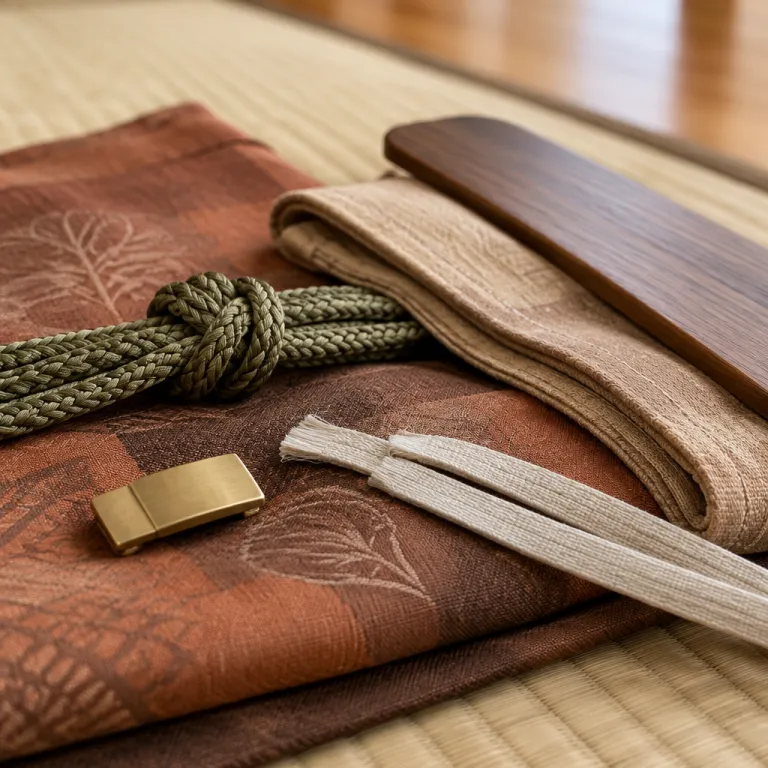
Some premium ryokan now list detailed kitsuke items in their room or experience descriptions. You may see references to koshi himo ties, korin belt clips, obi makura cushions, obi ita boards, eri shin or kantan eri supports, and even optional padding for guests who want a more formal silhouette. When a property names these accessories clearly, it signals both expertise and transparency, which are essential for travelers who value cultural accuracy as much as luxury.
From lobby to festival: wearing kimono beyond the ryokan walls
A thoughtfully curated kitsuke experience does not end at your tatami room door. Many luxury inns in onsen towns coordinate kimono dressing times with local events, so guests can wear a formal japanese kimono or lighter yukata to evening walks, shrine visits, or riverside firework displays. This turns the act of wearing traditional clothing into a moving, living part of the town’s cultural fabric rather than a costume confined to the lobby.
Some ryokan partner with neighborhood artisans to offer guided strolls where your outfit is adjusted on the way, ensuring the collar line stays neat and the obi belt remains comfortable. When festivals take place, such as summer celebrations with lanterns and street food, a well tied obi supported by an obi makura and obi ita lets you move freely without constant readjustment. For more context on how seasonal events shape these experiences, you can read about how summer festivals transform the onsen town and imagine how your own kitsuke might fit into that atmosphere.
Luxury booking platforms increasingly highlight which inns provide tabi socks, clips, and other accessories as part of the stay, so you can step outside confidently dressed. Some properties even prepare a special festival set with lighter fabric, minimal padding, and a more relaxed koshi himo arrangement at the waist. This attention to both aesthetics and comfort ensures that your kitsuke remains elegant from the first photo in the garden to the last bowl of noodles at a late night food stall.
Understanding kitsuke sets, sizes, and fabrics on luxury booking websites
When you book a premium ryokan online, the kitsuke section of the listing can feel technical at first glance. Terms such as juban, eri, han eri, eri shin, koshi himo, korin belt, obi makura, obi ita, and kantan eri may appear alongside tabi socks and other items, yet each plays a precise role in how the kimono or yukata will sit on your body. Learning the basics before you reserve helps you choose the right combination and avoid surprises when you arrive.
Most luxury inns offer at least two main categories of garments for dressing experiences. Formal japanese kimono usually feature heavier fabric, structured padding, and a more complex obi belt style, while casual yukata are lighter, with fewer layers and a softer koshi himo tie at the waist. Booking platforms sometimes group these options under a set package, where the price includes all necessary items such as clips, belts, and under layers, so you do not need to bring anything from home.
Size is another critical detail that premium booking websites are starting to present more clearly. Look for height ranges in centimeters, hip and shoulder measurements, and notes about how much padding can be added or removed for each kitsuke set. When a property explains how staff adjust the collar line, balance the eri with a han eri or kantan eri, and secure everything with a korin belt or koshi himo, you can trust that your kimono dressing session will feel tailored rather than generic.
Pricing transparency: reading kimono and kitsuke costs in usd on booking platforms
Luxury travelers often worry about the price of cultural experiences, and kitsuke is no exception. On high end booking websites, you may see a base room rate in price USD, with an optional kimono dressing or accessory set listed as an add on in clear usd amounts. Transparent listings that show both the standard price and any reduced sale price for seasonal campaigns make it easier to plan your stay without awkward surprises at check out.
Some ryokan include a simple yukata and basic obi belt in the room rate, then offer an upgraded japanese kimono experience at a separate price. In these cases, the booking page should specify exactly which items are included in the complimentary set, such as juban undergarments, tabi socks, clips, padding, and accessories, and which require an extra fee. When the price structure is clear, you can decide whether to reserve a full formal kitsuke session for one evening or enjoy lighter, more casual wearing options throughout your stay.
For travelers comparing several properties, it helps to calculate the total price USD of the stay including all desired cultural activities. A practical range for a basic yukata dressing set at a luxury inn is often around 30–80 USD per person, while a full formal kimono kitsuke with accessories can run from roughly 120–300 USD depending on region and fabric. A well designed booking website will present these numbers side by side, sometimes highlighting a limited sale price for packages that combine lodging, kaiseki dinner, and a complete kimono dressing experience.
How ryokan cuisine and kitsuke create a unified luxury experience
In the most refined traditional japanese inns, kitsuke is woven into the rhythm of meals and bathing. Guests often schedule their kimono dressing just before kaiseki dinner, so the line of the collar and the fall of the obi echo the seasonal ceramics, lacquerware, and textiles on the table. Walking to the dining room in tabi socks, with each layer of japanese kimono or yukata sitting smoothly over subtle padding, heightens your awareness of every flavor and texture.
Some luxury booking websites now present kitsuke and cuisine as a single narrative rather than separate add ons. You might see a package where a morning kimono session is followed by a market visit, then a lunch featuring regional dishes such as sansai udon, whose story is explored in depth in this article on how sansai udon elevates luxury ryokan dining. Returning to the inn, staff adjust your eri with a han eri or kantan eri, smooth the obi with an obi ita, and secure everything with a korin belt or koshi himo so you can relax in the lounge before dinner.
When kitsuke, cuisine, and architecture align, the result feels quietly theatrical yet deeply sincere. The weight of the obi makura at your back, the gentle grip of the waist ties, and the soft rustle of fabric as you sit on tatami all reinforce the sense that you are part of a carefully composed scene. Luxury booking platforms that describe these sensory details, list the exact items used in each dressing set, and explain how staff guide you through wearing kimono build trust long before you step into the ryokan entrance place.
Key figures on luxury ryokan, cultural experiences, and kimono dressing
- Industry summaries from the Japan Tourism Agency suggest that spending on cultural experiences such as tea ceremony, kimono dressing, and guided temple visits now represents a substantial share of in destination expenditure by international visitors, showing that travelers increasingly value immersive activities alongside accommodation.
- Reports shared by the Japan Ryokan and Hotel Association indicate that properties offering structured cultural programs, including kitsuke or yukata rental, often report noticeably higher occupancy rates than comparable inns without such experiences, underlining the commercial impact of well designed cultural immersion.
- Surveys by the Japan National Tourism Organization regularly show that many first time visitors list wearing kimono or yukata as a top cultural wish, yet a significant number express concern about doing it incorrectly, which highlights the role of trained ryokan staff in providing reassuring, respectful guidance.
- Market research on luxury travel in Japan points to strong willingness to pay a premium for packages that combine lodging with curated cultural activities such as private kimono kitsuke, indicating solid price tolerance when experiences feel authentic and well explained.
- Analyses of online travel bookings reveal that listings with detailed descriptions of cultural services, including clear price information for kitsuke in USD and photos of guests wearing kimono, tend to achieve higher click through and conversion rates than similar properties without such content.
FAQ about kitsuke and luxury stays in traditional japanese inns
Do I need prior experience to enjoy a kitsuke session at a ryokan ?
No prior experience is necessary, because luxury ryokan staff are trained to guide complete beginners through every step of kimono dressing. They will help you put on the juban, adjust the collar with eri or han eri, tie the koshi himo and korin belt, and secure the obi with an obi makura and obi ita. You simply need to communicate your comfort level and let them know if any layer feels too tight or too warm.
What should I check on a booking website before reserving a kitsuke experience ?
Look for clear descriptions of what the kitsuke set includes, such as kimono or yukata, juban, tabi socks, belts, clips, and padding. The listing should specify whether the price is included in the room rate or shown as a separate price USD, and whether there are different options for formal japanese kimono and casual yukata. Photos of guests wearing kimono in shared spaces, with neat collars and smooth obi lines, are also a good sign of staff expertise.
How long does a typical kimono dressing session take at a luxury inn ?
A full formal kimono kitsuke session usually takes between 30 and 60 minutes, depending on the complexity of the obi style and the number of layers. Casual yukata dressing is faster, often around 15 to 25 minutes, because it uses lighter fabric, less padding, and simpler koshi himo arrangements at the waist. Booking platforms sometimes indicate the duration, so you can schedule your kitsuke before meals, onsen baths, or local excursions.
Is wearing kimono inside the ryokan comfortable for extended periods ?
When kitsuke is done correctly, wearing kimono should feel secure yet surprisingly comfortable. Staff adjust the padding, tighten or loosen the koshi himo and korin belt, and position the obi makura so that weight is distributed evenly across your torso. If you plan to wear the outfit for several hours, mention this during dressing so they can choose lighter fabric and a more relaxed obi style.
Can I buy kimono or accessories directly from a ryokan after my stay ?
Some luxury inns collaborate with local artisans to offer kimono, obi, and accessories for sale in their boutiques or online shops. Prices are often listed in both yen and USD, and you may find special sale price offers for guests who have stayed at the property. If you enjoyed a particular kitsuke set during your visit, ask staff whether similar items can be ordered in your preferred size and shipped internationally.