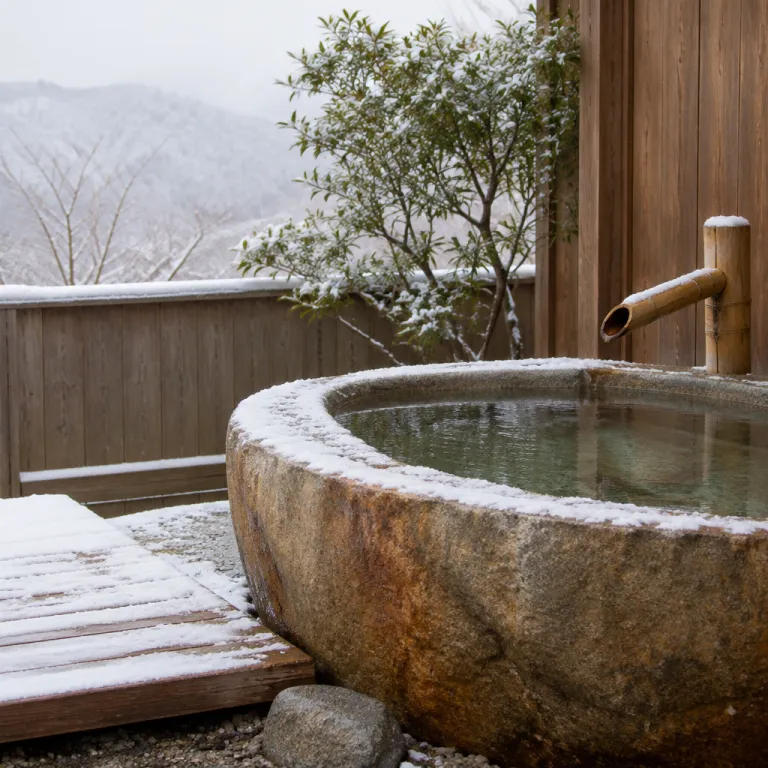
Choosing the right snow country for a true yukimi buro experience
The postcard image of a yukimi buro snow onsen booking winter stay is simple yet demanding. You want steam rising from a hot spring bath while snow falls softly over cedar forests, not a lukewarm tub in an onsen town where the hillside is brown and bare. In snow country Japan, that difference comes down to region, altitude and timing rather than luck alone.
For couples planning winter onsen retreats, the first decision is where in Japan to aim. Heavy snow regions such as Hokkaido, Tohoku and the mountains of Nagano consistently offer deeper snow, while lower onsen towns near the coast can swing between powder and rain in the same week. Climate normals from the Japan Meteorological Agency’s regional climate statistics (for example, the Nagano Prefecture snow depth tables for Nozawa Onsen) show that resorts in this area often carry snow depths approaching 200 cm in February, which matters when you are paying for a premium onsen ryokan with an outdoor bath designed for snow viewing.
Within Nagano, the choice between an onsen town like Nozawa Onsen and a lower valley town is decisive. A ryokan ten minutes closer to the station but 400 m lower in altitude can mean a winter onsen weekend with bare gardens instead of snow viewing from the open air pool. When you plan your yukimi buro snow onsen booking winter stay, treat snow depth as seriously as room category, because a rotenburo without snow is essentially just a hot bath with a view of dormant trees.
Look at the broader map of onsen towns before you lock in your travel. Classic snow viewing destinations such as Ginzan Onsen in Yamagata, the onsen Yamagata region more broadly and high plateau areas of onsen Nagano all sit in what meteorologists call heavy snow belts. These onsen towns are not just pretty in winter; they are engineered around deep snow, from covered walkways to bus routes that keep running when mountain roads elsewhere close.
When you compare ryokans in these regions, read the fine print on their websites with the same care you give to flight details. Some onsen ryokan properties in Ginzan Onsen or Nozawa Onsen specify that their outdoor baths may close during severe storms, which protects guests but also affects your snow viewing plans. Others highlight that their open air baths are sheltered yet fully outdoor, a crucial detail if you want falling snow on your shoulders rather than a view through glass.
Remember that a yukimi buro is not a generic outdoor bath; it is a specific winter onsen ritual built around contrast. The water must be genuinely hot, the air genuinely cold and the snow genuinely present, which is why January and February dates in snow belts are so coveted. When you use a specialist booking website for traditional inns, filter first by region and altitude, then by outdoor bath design, and only then by room style or kaiseki menu.
Timing your booking window: why January and February sell out early
Snow in Japan does not follow marketing calendars, and that matters for every yukimi buro snow onsen booking winter plan. Mid December can look magical in photos yet still feel like late autumn in many onsen towns, while March can swing between deep powder and slush depending on the year. If you want reliable snow viewing from an outdoor bath, you should think in terms of probability rather than hope.
Across the main snow regions, January and February consistently offer the highest chance of deep snow around hot springs. Tourism boards in Nagano and Yamagata quietly steer international travel Japan campaigns toward this deep winter window, because it aligns with long term snow depth data from the Japan Meteorological Agency’s monthly snow depth summaries for heavy snow areas. That same data underpins the simple guidance that “January and February are safest for snow”, which is the line ryokan owners repeat when you ask them directly about winter onsen conditions.
For couples targeting ski and soak combinations, this timing becomes even more critical. Onsen Nagano areas such as Nozawa Onsen or Shiga Kogen see peak ski demand collide with peak hot spring demand, which pushes the best onsen ryokan rooms to sell out months ahead. When a village hosts a major winter event in mid January, availability in the most atmospheric ryokans can vanish before the first snow even reaches the town.
The practical move is to treat your yukimi buro snow onsen booking winter stay like a long haul flight. Book your preferred ryokan three to six months in advance, especially if you want a private onsen suite with an outdoor bath facing the river or forest. Ryokans that explicitly list their snow season on the website are usually the ones that manage expectations best, because they align their room pricing and minimum stays with the real snow calendar.
When you compare properties, pay attention to how they describe their baths and their seasons. A line about “occasional snow viewing from the open air tub” signals a lower snow probability than a statement that the outdoor baths are framed by snow walls for most of January and February. For deeper context on how different hot springs feel from region to region, it is worth reading about how mineral composition shapes the onsen experience, because water character can matter as much as snow depth for a wellness focused stay.
To keep your planning simple, use a short checklist when you choose dates:
- Target months: Prioritise January and February for the highest snow reliability.
- Check local data: Look at Japan Meteorological Agency snow depth records for your chosen onsen town.
- Book early: Reserve popular ryokans three to six months ahead, especially for weekends.
- Watch events: Note festivals or ski races that can compress availability.
- Value flexibility: Favour bookings with reasonable cancellation terms in deep winter.
Reading between the photos: what separates real yukimi buro from marketing
Luxury travelers booking a yukimi buro snow onsen booking winter escape face a specific trap. The more atmospheric the photography on a website, the harder it becomes to tell whether the snow you see is typical or a rare event. To avoid disappointment, you need to read a ryokan listing like a weather report rather than a brochure.
Start with the baths themselves, because not every outdoor bath is designed for snow viewing. A true yukimi buro is an open air pool where snow can fall directly into the steam, not a semi enclosed terrace bath under a deep roof. When a ryokan describes its facilities, look for explicit mentions of open air tubs, outdoor baths facing the river and hot spring pools positioned in gardens that are known to accumulate snow.
Next, examine how the property talks about seasons and water. If the description leans heavily on autumn foliage and cherry blossoms but barely mentions winter onsen conditions, you are probably looking at a three season inn rather than a snow specialist. Cross reference guest photos in January and February with the official gallery; if you only see snow in one or two images, the onsen town may sit right on the snow line.
Well run ryokans in places like Ginzan Onsen, Nozawa Onsen or the onsen Yamagata valleys tend to be precise about their hot springs. They will note when outdoor baths may close during extreme storms, or when hot water is diverted to indoor baths to maintain safe temperatures on the coldest nights. For a deeper understanding of why a hot spring can feel different in winter compared with other seasons, read this analysis of how seasonal changes affect the hot spring experience, then apply that lens to your chosen ryokan.
Pay attention to room categories that include a private onsen, because not all private baths are equal. Some suites offer indoor tubs fed by hot springs with only a small window toward the snow, while others feature full scale open air decks where you can sit waist deep in hot water as snow piles on the railing. When you plan a wellness retreat as a couple, that difference shapes how you use the room, whether you soak once before dinner or turn the bath into the quiet center of your entire winter onsen stay.
Finally, remember that “Does yukimi-buro guarantee falling snow?” has only one honest answer: “No – it is weather dependent, never guaranteed”. The role of a serious booking website is not to promise snow but to guide you toward onsen towns, ryokans and dates where the odds are stacked in your favor. When you see that level of candor in the property descriptions, you are usually looking at a team that respects both the hot springs and your time.
Logistics, access and wellness: getting to your snow bath in one piece
Even the best planned yukimi buro snow onsen booking winter itinerary can unravel if you underestimate access. Snow country Japan is built around trains and buses that keep moving through storms, but connections can still stretch when you are tired, jet lagged and carrying ski bags. A wellness retreat starts to feel less restorative if you spend half the first day stranded at a rural station.
When you choose an onsen town, map the journey from the nearest Shinkansen stop to your ryokan door. Some places, such as Nozawa Onsen or Ginzan Onsen, rely on a final leg by local bus or taxi from a smaller station, which can be charming in daylight and more challenging after dark. In heavy snow, a 20 km transfer can take twice as long, so build buffer time into your travel and avoid the last bus of the day when possible.
Many ryokans in Nagano and Yamagata operate their own shuttles during the deep winter months. Check the website carefully for pick up times, whether reservations are required and how these services change between early winter and January–February peaks. If you plan to rent a car for ski access, remember the local advice to “Bring winter tyres or use public transport”, because mountain roads near hot springs can ice over quickly after sunset.
Wellness in winter onsen travel is also about what happens between baths. Pack layers you can change quickly when moving from hot springs to cold streets, and bring slip resistant shoes for walking around onsen towns where snow is compacted into polished ice. For couples heading to onsen Nagano areas near the famous monkey park, factor in that the trail can be snowy and narrow, which makes good footwear as important as your choice of ryokan.
Inside the inn, the most refined omotenashi often appears in the quiet details. A nakai san who adjusts your dinner time so you can linger longer in the outdoor bath, or who brings extra towels when they see you returning from the open air pools with snow in your hair, is doing more for your wellness than any spa menu. For a deeper sense of how traditional inns communicate through timing and placement rather than words, read this piece on how ryokan communicate without language and you will recognise those gestures on your next stay.
Finally, treat your yukimi buro snow onsen booking winter trip as a slow travel project rather than a checklist. Allow an extra night in the onsen town if your schedule permits, so that a delayed train or a closed outdoor bath on a stormy evening does not erase your only chance at snow viewing. A thoughtful itinerary, grounded in realistic access planning and respect for the hot springs themselves, turns a simple min read on a booking website into a lived experience you will measure in quiet, steaming minutes rather than in kilometres travelled.
FAQ
Does a yukimi buro stay guarantee falling snow during my visit ?
No yukimi buro stay can guarantee falling snow, even in the deepest snow belts of Japan. Weather remains variable, which is why experts emphasise that “Which regions offer most reliable snow?” is best answered with “Heavy snow zones like Hokkaido, Tohoku, Nozawa, Yamagata”. To improve your chances, target onsen towns in these regions and plan your travel for January and February, when snow depth around hot springs is usually at its peak.
Which regions in Japan are best for a winter onsen with reliable snow ?
For reliable snow viewing from an outdoor bath, focus on Hokkaido, the Tohoku region and the higher elevations of Nagano. Onsen towns such as Nozawa Onsen, Ginzan Onsen and several valleys in onsen Yamagata sit in heavy snow zones where hot springs operate through deep winter. These areas combine strong snow records with established ryokans that understand how to run outdoor baths safely in severe cold.
How far in advance should I book a ryokan for January and February ?
For popular onsen towns with ski access or famous hot springs, you should book three to six months ahead for January and February weekends. Private onsen suites and rooms with open air baths facing the snow often sell out first, especially around major winter events. If your dates are fixed, secure the ryokan before you finalise flights or rail passes for your travel Japan itinerary.
What should I look for in a ryokan description to ensure real snow viewing baths ?
Look for clear references to open air or outdoor baths that are fully exposed to the elements, not just partially covered terraces. Ryokans that mention snow walls around the pools, winter specific operating hours and occasional closures during storms are usually being honest about conditions. Cross checking guest photos from January and February with the official website gallery helps confirm whether snow around the hot springs is typical or rare.
Is it better to use public transport or drive to snow country hot springs ?
For most visitors, public transport is safer and less stressful than driving to onsen towns in deep winter. Trains and local buses are accustomed to heavy snow, while rental cars require winter tyres and confident snow driving skills on narrow mountain roads. If you do drive, allow extra time between the station and your ryokan, and always check local advisories from tourism boards or the Japan Meteorological Agency before setting out.