Why a multi night ryokan stay changes everything
Most travelers in Japan book a single night in a ryokan and rush on. A multi night ryokan stay slow travel approach turns that brief stop into a layered cultural experience that unfolds at its own pace. By the third night, your ryokan stay stops feeling like a hotel booking and starts feeling like a temporary home.
In a traditional Japanese ryokan, the first evening is about orientation, from how to wear the yukata to when the onsen is quiet. The second night reveals the rhythm of the property, the way the hot spring steam hangs differently in the morning and how the nakai-san adjusts your dinner breakfast timing to your natural schedule. By the third night, the staff understands your habits, and the ryokan experience becomes tailored rather than scripted.
For business leisure travelers extending a work trip, staying ryokan for three nights in the same town reduces packing, transit and mental noise. You can keep the same tatami style rooms, the same private corner of the lobby, the same familiar path to the hot springs. That stability is the foundation of slow travel, where each stay, each room and each onsen visit builds on the last instead of resetting every night.
How kaiseki dinner evolves over three nights
In a serious Japanese ryokan, the kitchen treats a single night guest and a three night guest very differently. On the first evening, the kaiseki dinner is often a beautifully executed greatest hits menu, designed to introduce regional food and seasonal produce. By the second and third night, the multi course structure stays, but the chef begins to cook for you rather than for the brochure.
Multi night ryokan stay slow travel gives the kitchen time to notice what you finish, what you leave and how adventurous you are with textures and flavors. One night you might be served river fish grilled over charcoal, the next night a sashimi course featuring local catch that never appears on standard hotel menus. On the final night, regulars often receive the most refined kaiseki dinner of the stay, sometimes featuring rare ingredients or a quietly upgraded sake pairing that acknowledges the relationship built over several dinners.
For travelers with dietary needs, three nights also make communication smoother and safer for every meal. Once the team understands your preferences, they can adjust each dinner breakfast combination without repeating the same safe dishes, which is crucial for both enjoyment and health. Before booking, read a detailed guide on dietary restrictions at a ryokan and what you can request so your ryokan guide planning aligns with what kitchens in Japan can realistically offer.
The service shift when you stop checking out
Service in traditional ryokans is built around the idea of omotenashi, the quiet anticipation of needs before you voice them. During a one night stay, the nakai-san assigned to your room focuses on precision, timing your dinner, laying out your futon and explaining the onsen rules. When you stay ryokan for several nights, that same person begins to relax into a more personal rhythm with you.
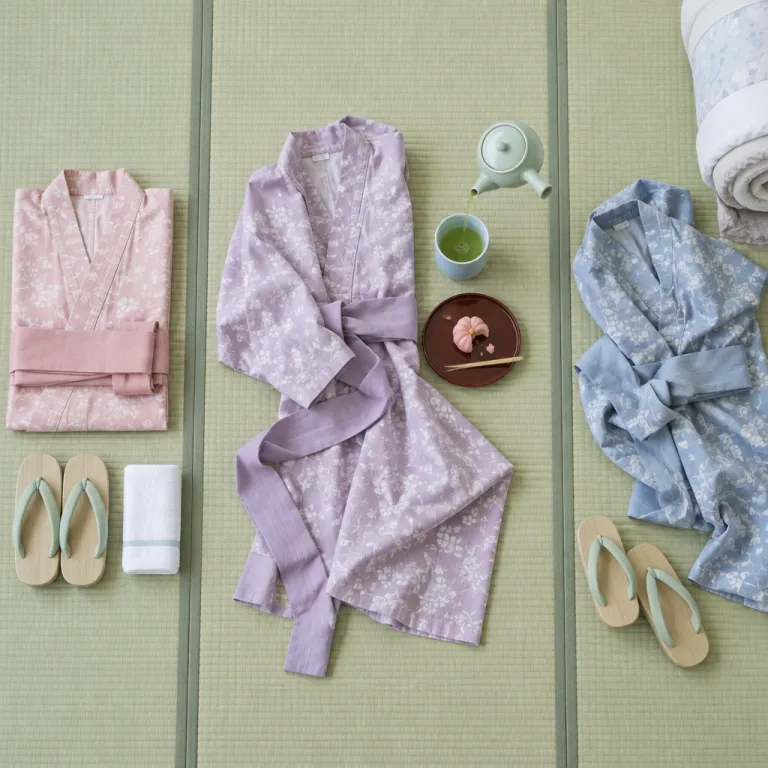
By the second night of a multi night ryokan stay slow travel itinerary, your tea is often poured the way you took it the evening before, and your yukata and obi may be set out in your preferred color or size. The staff notices whether you return from the hot spring early or late, whether you like the futon slightly firmer, whether you prefer the western style pillow or the traditional Japanese buckwheat one. Over three nights, this attention turns a standard ryokan stay into a deeply individual ryokan experience, where the hotel feels less like a property and more like a household temporarily reorganized around your comfort.
Turn down service is a perfect example of this shift in many ryokans. On the first night, the futon appears while you are at dinner, almost theatrically, but still according to a script. By the third night, the timing, the number of quilts and even the placement in the room are adjusted to your habits, a ritual explored in depth in this analysis of why the best ryokan turn down service into a private performance, which shows how staying ryokan longer lets staff refine these private performances.
Onsen rhythms, private baths and the town beyond the lobby
Hot spring culture in Japan rewards repetition, not sampling. During a single night ryokan stay, guests often rush between dinner, onsen and sleep, barely learning the layout of the public hot springs before checking out. With three nights, you can map the entire onsen rhythm of the property and the town, from the quiet pre breakfast soak to the lantern lit outdoor bath after dinner.
Many traditional ryokan in onsen towns offer both large shared baths and smaller private baths that can be reserved by the hour. On the first night, you might simply follow the suggested schedule, but by the second and third night you will know exactly when the private onsen is empty, when the outdoor hot spring pool catches the last light and when the indoor stone bath is almost silent. This is where multi night ryokan stay slow travel shines, because you are no longer chasing experiences Japan wide, you are refining one specific cultural experience in one specific place.
Stepping outside the hotel, the town itself opens up once you stop treating it as a quick stop on a longer trip. In Kyoto or in smaller onsen villages, three nights give you time to walk the back streets, try local food at family run restaurants and visit smaller public hot springs that day trippers never reach. If you are traveling with children, a longer stay also makes it easier to manage shared baths and meal times, and a focused guide to booking meals and shared baths when staying in a ryokan with children can help you choose style rooms and hotels that genuinely welcome families.
Choosing the right ryokan and booking a three night stay
Not every property in Japan is designed for a multi night ryokan stay slow travel itinerary. Traditional ryokan in dense cities may be better suited to one or two nights, while ryokans in classic onsen towns with multiple public baths, walking trails and strong food culture reward three nights or more. When selecting a japanese ryokan, look for a clear ryokan guide to the surrounding area, not just the hotel facilities.
On the booking side, many japan ryokan listings on global platforms default to single night searches, which can hide availability for longer stays. It is often worth checking the official websites of traditional Japanese hotels or using a specialist agency that understands consecutive stay patterns and can unlock better per night pricing. Multi night rates sometimes include upgraded kaiseki dinners, access to private onsen slots or late check out, which can make the overall trip cost more efficient than hopping between several hotels.
For business leisure travelers, the economic case is straightforward when you factor in saved transport, fewer check in check out transitions and the ability to work from the same quiet room each day. Western style desks are increasingly common in style rooms at higher end ryokans, allowing you to handle morning calls before slipping down to the hot springs. When you choose a traditional ryokan that balances authentic cultural experience with practical comforts, staying ryokan for three nights becomes less an indulgence and more a strategic way to structure your time in Japan.
FAQ
Is three nights at a ryokan too long for a first trip to Japan ?
Three nights at a ryokan is not too long if you choose an onsen town or a neighborhood with enough walking, food and cultural experiences to fill your days. For a first trip, many travelers pair three nights in a traditional ryokan with several nights in a city hotel, which balances immersion and variety. The key is to select a property where the kaiseki menus, hot springs and nearby activities change enough to reward a longer stay.
How does a multi night ryokan stay compare to changing hotels every night ?
Staying in one ryokan for several nights reduces packing, transit time and the mental load of repeated check in processes. You gain deeper relationships with staff, more personalized meals and a better understanding of the onsen and the town. Changing hotels every night offers more variety but usually delivers shallower cultural experience and higher overall fatigue.
Are private onsen and private baths worth paying extra for on a longer stay ?
Private onsen and private baths are often worth the premium during a multi night stay, especially for couples, families or travelers who prefer bathing alone. Over three nights, you can schedule different times in these private spaces, from early morning to late evening, which makes the cost per use more reasonable. They also allow you to relax without watching the clock or navigating shared bath etiquette every time.
Which destinations in Japan are best for a three night ryokan stay ?
Classic onsen towns such as Hakone, Kinosaki Onsen and Yufuin are well suited to three night stays because they offer multiple public hot springs, local restaurants and easy day walks. Kyoto also works for a longer ryokan stay if you choose a property with good access to quieter districts and temples. Isolated mountain lodges can be magical for one or two nights, but they may feel limiting beyond that unless you are committed to deep rest and very slow travel.
How far in advance should I book a three night ryokan stay during peak seasons ?
For peak periods such as cherry blossom and autumn foliage, booking a three night ryokan stay several months in advance is prudent, especially if you want specific room types or private baths. Longer stays block more inventory, so properties often confirm them earlier than single night bookings. If your dates are flexible, contacting the ryokan directly can sometimes reveal multi night availability that does not appear on global booking platforms.