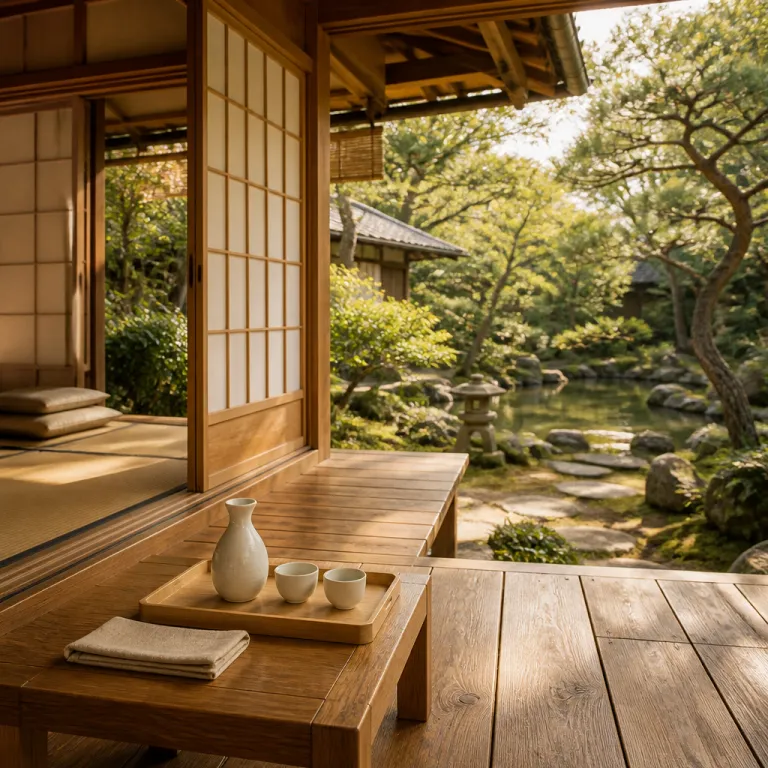
Understanding the main kinds of sake in a luxury ryokan
Arriving at a traditional Japanese inn, you quickly notice that the kinds of sake offered feel as carefully curated as the tatami rooms. In a premium ryokan, the sake list is structured around clear categories, each linked to how the rice is polished and whether the brewers add a small amount of distilled alcohol. This quiet focus on detail shapes the flavor profile in your cup and the entire rhythm of your stay.
Classic junmai sake is the foundation, made only from rice, water, rice kōji, and yeast, with no added alcohol at any stage. As one reference explains with precision, “What is Junmai sake? Sake made with only rice, water, yeast, and koji mold; no added alcohol.” When you read a menu in Japan that highlights junmai, you can expect a fuller body, gentle aromas, and flavors that pair beautifully with kaiseki cuisine served in many luxury inns.
Alongside junmai, you will often see honjōzō, ginjō, and daiginjō listed as distinct types, each defined by a specific polishing ratio. Honjōzō sake is brewed with rice polished to around 70 percent remaining, and a small amount of brewer’s alcohol is added to lift aromas and create a lighter drink. Ginjō and daiginjō sakes use rice polished more aggressively, which means brewers remove outer layers of the grain to highlight delicate flavors and refined aromas.
For guests browsing a premium sake list online before booking, understanding these sake categories helps you choose bottles that match your taste. If you enjoy clean, fragrant aromas, you might focus on ginjō or junmai ginjō and daiginjō or junmai daiginjō, while those who prefer earthy depth will gravitate toward junmai or honjōzō. A well designed luxury booking website should clearly explain these kinds of sake so that every drink you select feels intentional and aligned with your stay.
How rice polishing shapes flavor in premium sake pairings
In high end ryokan dining rooms, the story of sake begins with rice polishing and the quiet work of sake brewers. The grains of sake rice are milled to a specific polishing ratio, which indicates how much of the original grain remains after brewers remove outer layers. This process of rice polishing is central to the different kinds of sake you will encounter during a multi course kaiseki dinner.
When rice is polished so that 60 percent or less of each grain remains, brewers can create ginjō or junmai ginjō styles with graceful aromas and light textures. “What is Ginjo sake? Sake made with rice polished to 60% or less, often with added alcohol.” In a luxury inn, these premium sake options are often served chilled in thin glassware, allowing the aromas to open slowly alongside sashimi, seasonal vegetables, and delicately seasoned dishes.
Daiginjō and junmai daiginjō go further, using rice polished to 50 percent or less, which produces some of the most refined flavors among all types of sake. “What is Daiginjo sake? Sake made with rice polished to 50% or less, often with added alcohol.” When a sommelier in Japan recommends junmai daiginjō with a course of grilled river fish or steamed crab, they are matching the pure rice core of the drink to the subtle sweetness of the seafood.
Even honjōzō, with its more modest rice polished level, has a clear place in the ryokan experience, especially when gently warmed to highlight comforting flavors. “What is Honjozo sake? Sake made with rice polished to 70% or less, with added alcohol.” Many luxury inns now explain these polishing details on their booking pages for dinner inclusive plans, sometimes referencing guides on why a traditional inn differs from a hot spring resort, such as a detailed comparison of ryokan versus onsen hotel experiences on Japanese Inn Stay, so guests can anticipate how each drink will complement the famous Japanese breakfast tray.
For travelers choosing where to stay, a website that clearly presents rice polishing, flavor notes, and serving suggestions helps transform sake from a mysterious drink into a highlight of the journey. When you can see which sakes are served chilled, which are better warm, and how each type pairs with the elaborate morning tray described in in depth ryokan breakfast features, you book with confidence. The result is a stay where every sip feels as thoughtfully prepared as the cuisine itself.
Junmai, honjōzō, and nama zake in the context of ryokan cuisine
Luxury Japanese inns treat the relationship between sake and food as seriously as the relationship between the room and the hot spring bath. On a refined booking platform, you will often see tasting menus that specify whether junmai sake, honjōzō, or nama zake accompanies each course. This level of detail reassures guests that the brewers’ work is respected and that every drink has been chosen to echo the flavors on the plate.
Junmai styles, whether labeled simply sake junmai or more specifically junmai ginjō and junmai daiginjō, emphasize pure rice character and a rounded mouthfeel. These sakes often highlight umami rich aromas that pair beautifully with simmered dishes, miso based soups, and charcoal grilled meats served in private dining rooms. Many premium inns now promote exclusive in room dinners, and specialist articles on private dining in ryokan booking, such as those on Japanese Inn Stay, show how carefully selected junmai flights can turn a quiet evening into a structured tasting journey.
Honjōzō brings a different personality, with a touch of added alcohol that lightens the body and sharpens the finish. This style works well when served slightly warmed alongside tempura or hearty mountain cuisine, where the clean drinkability balances richer flavors. On a booking website, clear notes about whether a honjōzō is best served chilled or gently heated help guests plan their ideal meal before they even arrive in Japan.
Nama zake, the unpasteurized category, offers a fresh and lively flavor that many travelers now seek out during seasonal stays. “What is Nama sake? Unpasteurized sake, offering a fresh and lively flavor.” Because nama styles are sensitive to temperature and storage, luxury inns often highlight them as limited time offerings, encouraging guests to reserve specific plans that include these vibrant sakes. When a booking engine explains how nama bottles differ from standard sakes, guests understand why these drinks feel so vivid alongside spring vegetables or autumn mushrooms.
Nigori, aromas, and how sakes are served in traditional inns
Not every guest arrives in Japan already familiar with nigori sake or the more aromatic ginjō styles, so the best luxury booking sites act as discreet guides. Nigori, the lightly cloudy drink made by allowing fine rice particles to remain in the liquid, offers a soft texture and gentle sweetness. When a ryokan presents both clear and cloudy sakes on its menu, it signals that guests can explore a full spectrum of flavors and textures during their stay.
On a detailed sake list, you might see nigori sake recommended with dessert or with richly flavored dishes that benefit from a creamy contrast. The aromas of these sakes can range from lactic and rice driven to notes of tropical fruit, depending on how the brewers manage rice kōji and fermentation. A thoughtful sommelier will often suggest that nigori be served chilled in small cups, allowing the aromas to remain refreshing rather than heavy.
Ginjō and daiginjō styles, whether labeled as premium sake or as specific junmai ginjō and junmai daiginjō expressions, are usually highlighted for their elegant aromas. These sakes often show notes of melon, pear, or white flowers, created when highly polished rice and carefully controlled fermentation temperatures work together. In a luxury inn, such drinks are typically served chilled in fine glassware, and the booking website may describe them as ideal for guests who enjoy wine like fragrance and a clean finish.
Because many travelers now plan their culinary experiences before choosing a room, the way a website explains these types of sake can strongly influence booking decisions. Clear descriptions of flavor, serving temperature, and whether a sake is best enjoyed as an aperitif or with specific courses help guests imagine their evening in detail. When the online experience mirrors the calm, attentive service of the inn itself, guests feel confident that every drink they order will enhance the atmosphere rather than overwhelm it.
How booking platforms curate sake experiences with regional brewers
Behind every elegant sake list in a traditional inn stands a network of regional brewers, rice farmers, and kōji specialists. Luxury booking platforms increasingly highlight these relationships, showing how each ryokan collaborates with local producers to present distinctive kinds of sake. For travelers comparing properties, this transparency about origin, rice polishing practices, and brewing philosophy becomes a powerful signal of authenticity.
Some inns focus on a single brewery, offering vertical tastings of junmai sake, honjōzō, and nama expressions that share the same water source and sake rice. Others curate broader selections of sakes from across Japan, allowing guests to compare different types of sake side by side, from robust honjōzō to ethereal junmai daiginjō. A well designed booking page will often describe how brewers remove outer layers of the grain to reach specific polishing ratios, helping guests understand why one drink feels richer while another tastes almost weightless.
For international travelers, the presence of clear tasting notes in English is essential, especially when dealing with nuanced categories like sake junmai versus junmai daiginjō. Descriptions that explain rice water quality, rice kōji strains, and the decision to add or omit alcohol give context to each bottle. When a platform explains that certain sakes are best served chilled while others shine at room temperature, guests can pre select pairings that match their personal preferences.
Many booking sites now encourage guests to visit sake breweries in Japan or attend tasting events during their stay, integrating these experiences into multi night packages. By presenting concrete suggestions, such as a day trip to a nearby brewery followed by a kaiseki dinner featuring the same producer’s premium sake, the platform turns abstract information into a tangible itinerary. This approach respects the craft of the brewers while giving guests a structured way to engage with the full range of flavors and aromas that define Japanese sake culture.
Practical tips for choosing kinds of sake when booking your stay
When you browse a luxury ryokan booking website, the sake section can feel as complex as a wine list, yet a few practical guidelines make selection easier. Start by deciding whether you prefer richer, rice forward flavors or lighter, aromatic profiles, then look for junmai sake or honjōzō on one side and ginjō or daiginjō on the other. This simple division helps you navigate the many types of sake without needing to become an expert overnight.
If you enjoy structured, food friendly drinks, focus on junmai, junmai ginjō, and junmai daiginjō, which emphasize pure rice character and balanced acidity. Guests who like expressive aromas and a slightly drier finish may gravitate toward ginjō or daiginjō styles that include a touch of added alcohol, especially when these sakes are served chilled before dinner. For those curious about texture, exploring nigori sake or nama zake options can add a playful element to the meal, particularly when paired with seasonal specialties.
Pay attention to how the booking site describes rice polishing and the polishing ratio, because these details strongly influence flavor and body. Higher polishing levels, where brewers remove outer layers to leave only 50 to 60 percent of the grain, tend to produce more delicate sakes with refined aromas. Lower polishing levels, closer to 70 percent, usually result in fuller, more robust drinks that stand up well to grilled or simmered dishes.
Finally, consider the context of your stay, including whether you plan to enjoy sake in a private dining room, at a communal counter, or in your own tatami suite. Some inns offer curated flights that move from honjōzō to sake junmai and then to junmai daiginjō, allowing you to experience a range of aromas in a single evening. Choosing a property whose website clearly explains these options ensures that the sake you drink will feel like an integral part of your Japanese inn experience rather than an afterthought.
How luxury ryokan elevate sake service and presentation
The way sake is served in a luxury Japanese inn is as carefully choreographed as the tea ceremony, and a good booking website hints at this ritual. Guests will often see notes about whether certain sakes are served chilled, at room temperature, or gently warmed, each choice designed to highlight specific flavors and aromas. These details matter, because temperature can transform a drink from crisp and refreshing to mellow and comforting.
In many high end inns, staff trained by sake sommeliers present each bottle with a brief explanation of its origin, rice polishing level, and recommended food pairing. They might describe how the brewers selected a particular sake rice variety, how they managed rice kōji development, and why they chose a given polishing ratio to achieve the desired flavor profile. This level of storytelling turns a simple drink into a narrative that connects the guest to the landscapes and traditions of Japan.
Presentation also extends to the choice of vessels, with delicate glassware reserved for aromatic ginjō and daiginjō styles and ceramic cups used for heartier junmai or honjōzō. Some inns offer side by side tastings where guests compare the same sake served chilled and at a warmer temperature, learning how the aromas shift with even small changes. When a booking platform describes these experiences clearly, it signals that the property treats sake as a central part of its hospitality philosophy.
For travelers planning a stay focused on culinary delights, choosing an inn that collaborates closely with local brewers and invests in thoughtful sake service is essential. The best properties integrate sake into every stage of the guest journey, from pre arrival recommendations on the website to in person guidance at dinner and suggestions for brewery visits. This holistic approach ensures that the many kinds of sake you encounter feel seamlessly woven into the broader story of Japanese hospitality.
Key figures and statistics about sake and Japanese inns
- The Japan Sake and Shochu Makers Association reports around 1,400 active sake breweries in Japan as of 2023, illustrating the depth of regional diversity that luxury inns can showcase on their drink lists.
- Ginjō sake requires rice polished to 60 percent or less of its original size, while daiginjō demands 50 percent or less, meaning brewers remove outer layers of each grain to reveal a purer starch core and more refined flavors.
- Honjōzō classifications allow rice polished to around 70 percent remaining, which typically results in fuller bodied sakes that pair well with robust regional dishes served in many countryside ryokan.
- Junmai categories, which exclude added alcohol and rely only on rice, water, yeast, and kōji, have gained international attention as travelers seek transparent, ingredient focused drinks during their stays.
- Unpasteurized nama styles, often highlighted as seasonal offerings in luxury inns, require strict cold chain management, which has become easier as refrigeration technology and logistics have improved across Japan.
FAQ: kinds of sake in luxury Japanese inns
What is junmai sake and why is it popular in ryokan?
Junmai sake is brewed only from rice, water, yeast, and rice kōji, with no added alcohol, which gives it a rich, umami driven flavor that pairs well with traditional kaiseki cuisine. Many ryokan favor junmai because its pure rice character reflects regional ingredients and local water sources. Guests often find it easier to appreciate junmai as a food sake that complements multiple courses.
How do ginjō and daiginjō differ from other types of sake?
Ginjō and daiginjō are defined by higher levels of rice polishing, with grains milled to 60 percent or less for ginjō and 50 percent or less for daiginjō. This intensive polishing removes outer layers that contain fats and proteins, resulting in lighter textures and more refined aromas. In luxury inns, these styles are usually served chilled in fine glassware and recommended as pairings for delicate dishes such as sashimi or lightly seasoned vegetables.
What makes nama sake special in a luxury inn setting?
Nama sake, or unpasteurized sake, retains a fresh, lively flavor because it is not heat treated after fermentation. This style often shows vibrant aromas and a slightly more dynamic palate, which many guests enjoy during seasonal menus. Because nama requires careful refrigeration, luxury inns that serve it demonstrate a strong commitment to handling and storage quality.
Why do some ryokan recommend nigori sake with certain dishes?
Nigori sake is only partially filtered, so it contains fine rice particles that create a soft, creamy texture and gentle sweetness. This profile works well with spicy, salty, or richly flavored dishes, as the sweetness and texture provide balance. In dessert courses or late evening tastings, nigori can offer a comforting, almost dessert like drink option.
How can I choose the right sake when booking a ryokan online?
When booking online, start by reading how the property describes its sake list, paying attention to terms like junmai, honjōzō, ginjō, and daiginjō, as well as notes on rice polishing and serving temperature. If you prefer richer, food friendly drinks, focus on junmai and honjōzō, while those who enjoy aromatic, lighter styles should look for ginjō and daiginjō. Many luxury inns also offer curated tasting flights, which are an excellent choice if you want to explore several kinds of sake during a single stay.
