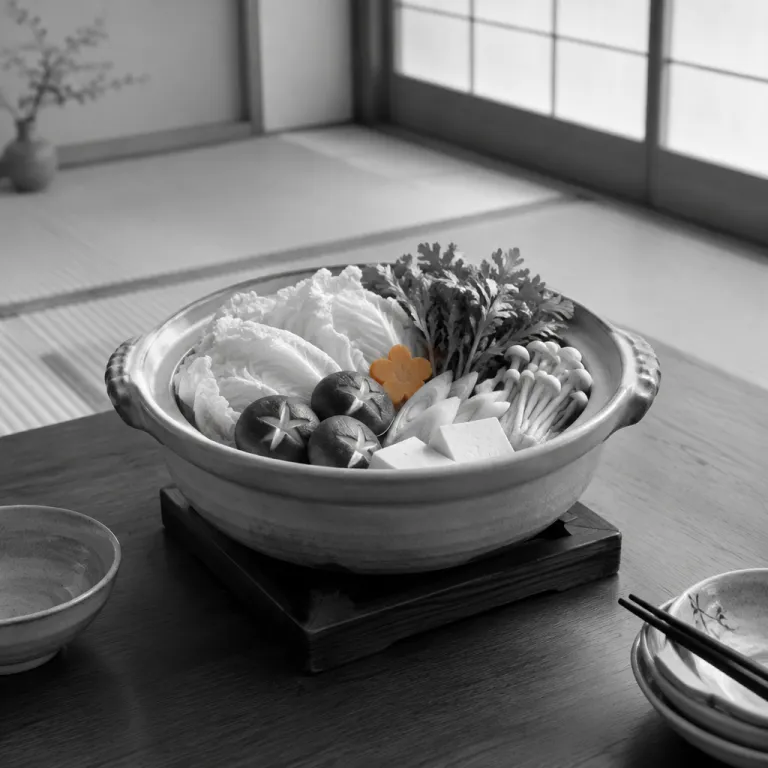
Reading the region through the winter nabe pot
At a winter nabe hot pot ryokan in Japan, the first thing you taste is place. The donabe pot that arrives at your low table in a mountain inn near Hakone or a snow wrapped retreat in Ginzan Onsen quietly tells you where you are staying, long before the first soup rises to a simmer. In japan winter months from November through March, families who travel Japan for onsen stays quickly learn that regional nabe dishes are as revealing as any museum guide.
In Hokkaidō, an ishikari nabe based broth built around hokkaido salmon, vegetables and rich soup stock feels coastal, while a kiritanpo nabe in Akita leans into rice culture and forest mushrooms. Down in Yamaguchi Prefecture, a hotpot might highlight local seafood in a lighter chicken broth or fish based broth, and the same winter nabe hot pot ryokan Japan experience suddenly shifts from rugged mountain to inland sea. These nabe dishes are not restaurant gimmicks ; they are the way food Japan expresses climate, trade routes and the quiet pride of local producers.
Parents planning travel with children should read the ryokan guide as carefully as any art itinerary, because the listed hot pot style signals how your evening will unfold. A property that offers chanko nabe inspired by the hearty pots eaten by sumo wrestlers will serve a thicker, protein rich dish, while a place that mentions ishikari nabe or kiritanpo nabe is promising a more nuanced, vegetable forward soup. When you compare several ryokan in English on a booking site, look for clear explanations of ingredients, soup stock and whether the pot is shared family style or portioned into individual pots.
The rhythm of the table: how the hot pot reshapes kaiseki
Classic kaiseki in a ryokan is usually a plated procession, with each dish arriving fully composed and quietly placed in front of you. When a hot pot takes center stage, that rhythm changes, and the dinner becomes a small piece of theater that unfolds between November and March while the wind outside carries snow across the engawa corridor. The staff move from being silent servers to performers, and the guests shift from passive diners to participants around the pot.
Ryokan chefs and hosts are the performance creators here ; they orchestrate presentation, pot styles, ingredient timing, lid reveals. The portable burner is set, the donabe or tetsu pot lands with a soft thud, and the first wave of ingredients slides into the hot soup with a practiced hand. A host might explain in English how long to cook each ingredient, when to add leafy vegetables, and how to pace your food drink pairing, perhaps suggesting a local sake from a refined sake guide similar in spirit to our detailed overview of premium labels served in luxury inns, which you can explore in our specialist sake service guide for ryokan.
For families, this shared pot format softens the formality that can make some children nervous during a long kaiseki. Parents can serve younger guests directly from the hot pot, adjusting spice and ingredients, while older children enjoy the small responsibility of managing their own bowl of soup and vegetables. Compared with a fixed restaurant menu in central Tokyo, a winter nabe hot pot ryokan Japan stay lets you negotiate the pace and quantity of each dish, which is invaluable when jet lag or onsen fatigue hits mid course.
Seasonal ingredients, family dynamics and the art of shared warmth
What goes into the pot during japan winter is as carefully curated as any art collection, and it changes as you travel Japan from region to region. In a mountain ryokan, the ingredients might lean toward root vegetables, wild greens and local chicken, while coastal inns near Hakone or further north might feature crab, hokkaido salmon or delicate white fish in a clear based broth. The best properties work closely with local farmers and fisheries, so the hotpot becomes a snapshot of the valley or bay outside your paper screens.
Families should pay attention to how the ryokan stages the table, because that staging shapes the evening’s intimacy. Some inns place the pot between parents, with children flanking the sides, while others seat everyone around a central pot so that each guest can reach the soup and ingredients easily, which matters when the pot is hot and the room is warmed by both the burner and the earlier onsen or hot spring bath. If you are traveling with younger children, ask in English before arrival whether the property can offer milder soup stock, extra vegetables or a smaller side pot, and whether they can adapt the food drink pairing to include non alcoholic options.
For couples, the shared act of tending the hot pot after a late afternoon onsen session can be as bonding as any spa ritual, especially in snow bound towns like Ginzan Onsen where the walk back from the baths is crisp and silent. If you are curious about combining sauna, hot spring and table rituals, our in depth feature on the sauna circuit and onsen balance at ryokan, available in our onsen and sauna balance guide, offers a useful frame for planning your evening. Guests who value lighter meals can also look for properties that balance a rich nabe with more restrained courses, similar in philosophy to the careful seasoning described in our low sodium sushi experiences at luxury inns.
The closing act: shime, remaining broth and how to book well
The most memorable moment in a winter nabe hot pot ryokan Japan dinner often comes after you think the meal is over. When the main ingredients have been eaten, the remaining broth in the pot is transformed into shime, the closing course that rewards patience and restraint. As one host explained to a table of first time visitors, "What is shime?" "Final course that uses leftover broth with rice or noodles".
That remaining broth, now dense with chicken broth richness or seafood depth, becomes the base for rice porridge or udon noodles, and it is where the character of the dish fully reveals itself. A chanko nabe style pot leaves a hearty, almost stew like soup that feels true to its sumo wrestlers heritage, while an ishikari nabe or kiritanpo nabe might finish cleaner, with the sweetness of vegetables and hokkaido salmon lingering in the soup. This is where you taste the full arc of the evening, from the first clear soup stock to the final, almost silent spoonfuls.
From a practical travel perspective, this seasonal theater runs strongest from November through March, when snow and cold make every onsen and hot spring bath feel essential. If you want a front row seat, arrive hungry after onsen bathing, choose a ryokan offering regional nabe, wear layers to manage heat and cold, and book well before New Year due to popularity, especially in mountain regions and in Yamaguchi Prefecture coastal towns. When comparing options in a ryokan guide or English language booking platform, look for clear mention of nabe dishes, ask whether they use donabe or other pots, and confirm how the restaurant team can adapt ingredients for children or dietary needs.
FAQ
When is the best season for enjoying nabe at a ryokan in Japan ?
Nabe appears on ryokan menus from autumn through early spring, but the peak season is during japan winter when outside temperatures drop and snow is common in mountain regions. Many properties highlight special hot pot menus between November and March, sometimes with limited time ingredients such as crab or hokkaido salmon. If your travel Japan plans are flexible, aim for the coldest months to experience the full contrast between hot onsen baths and steaming pots.
What types of pots and vessels do ryokan use for winter hot pot ?
Most luxury ryokan rely on traditional donabe clay pots for their ability to hold steady heat and showcase the soup stock. Some properties also use tetsu iron pots for chanko nabe or other robust nabe dishes, while a few offer single serve paper pots for guests who prefer individual portions. The choice of pot is part of the theater, so do not hesitate to ask the restaurant staff to explain why a particular vessel was chosen for your dish.
How does a nabe focused dinner differ from a classic kaiseki meal ?
A classic kaiseki meal is built around a sequence of individually plated dishes, each arriving fully composed and often eaten in relative silence. A winter nabe hot pot ryokan Japan dinner shifts the focus to a shared pot, with ingredients added over time and guests actively cooking, serving and talking around the table. This format usually feels more relaxed for families, encourages conversation and lets you adjust portion sizes, while still maintaining the elegance and precision of high level Japanese hospitality.
Can families with children enjoy nabe safely around a hot tabletop burner ?
Well run ryokan are used to welcoming families and will position the portable burner and pot carefully, often placing younger children slightly away from the hottest side. Parents can ask in English for lower flame settings, extra ladles or smaller bowls so that children can enjoy the soup and ingredients without leaning over the pot. Choosing a property that explicitly mentions family friendly dining in its ryokan guide is a good way to ensure that the restaurant team is trained to manage both safety and comfort.
Do ryokan accommodate dietary preferences or lighter eating during nabe season ?
Many premium inns are flexible, especially when requests are made in advance through an English language booking form or email. Guests who prefer lighter food Japan experiences can ask for more vegetables, less fatty meat or a clearer chicken broth, and some properties will even adjust the remaining broth at the shime stage to keep the final soup from becoming too rich. When you reserve, specify any dietary needs and confirm that the kitchen can adapt the ingredients and soup stock without compromising the integrity of the dish.